
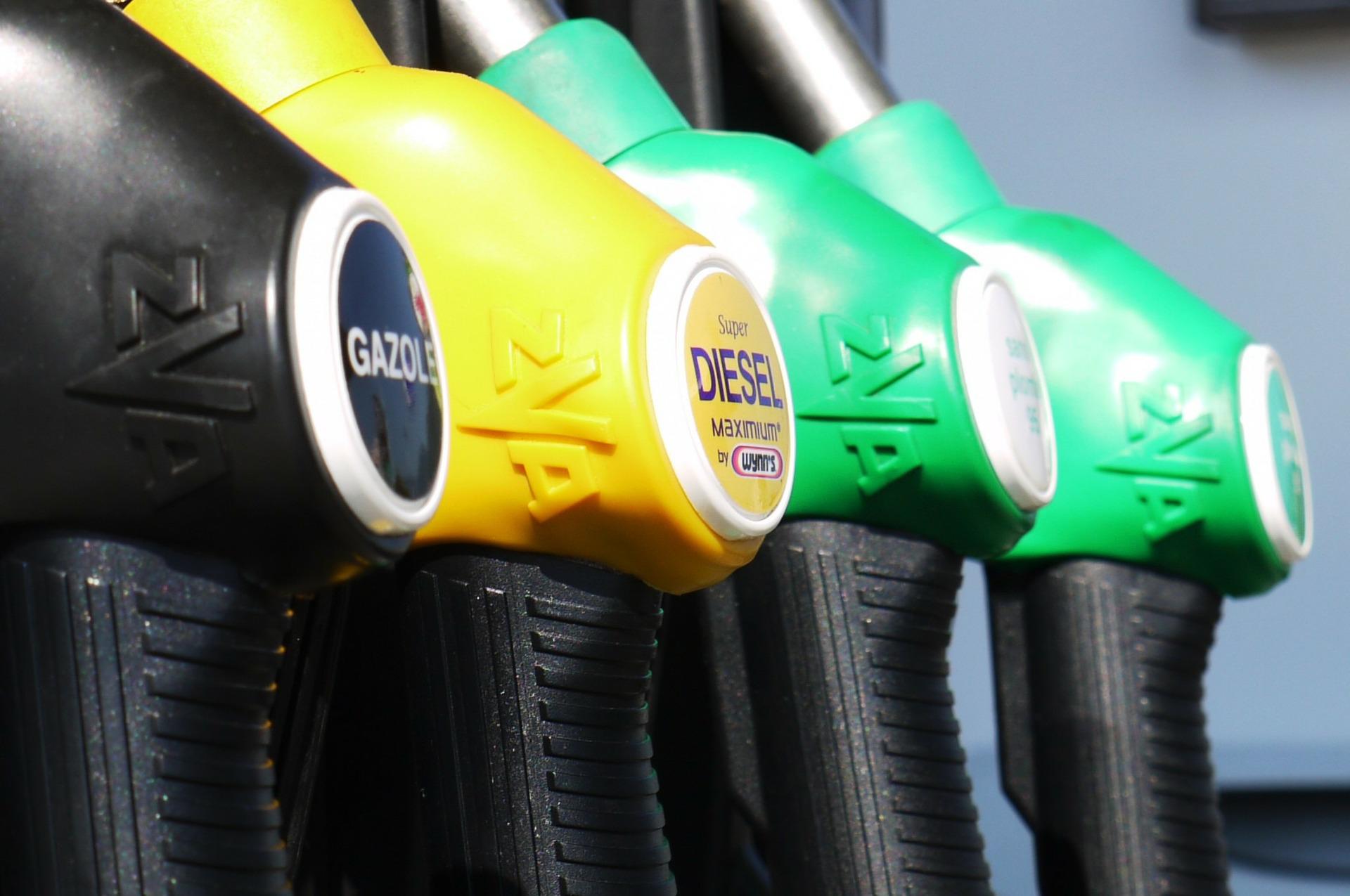
The new increase in fuel prices has again increased the costs of drivers throughout Bosnia and Herzegovina. Distributors announce that the price of fuel could rise further in the coming days, and economists warn that the consequences will not be limited to gas stations.
At some gas stations, the price of diesel has already exceeded three marks and 20 pfennigs per liter, while gasoline is approaching the three marks mark. Citizens, as end consumers, are among the first to feel the consequences of each new price increase. For many, higher fuel expenses mean an additional burden on the household budget.
We asked citizens how rising fuel prices affect their budgets.
“The prices have increased tremendously. It is no longer sustainable. We don’t know when this will stop. It affects my budget very badly. I am a pensioner and you can imagine how much money I need to fill the fuel,” said one of the people surveyed.
“I didn’t feel it. I don’t even look at the price of fuel,” says one of the interviewees.
“You feel it, but what are you going to do, everything is a struggle, as you can see,” adds one of the interviewees.
“How much is diesel here? Three marks and 20 pfennigs? In Austria, it’s two euros and two cents. Killer prices! I admire how these people live here with such low pensions and salaries. We in Austria have a hard time surviving, let alone the people here,” one of the people surveyed points out.
The rise in fuel prices is not over yet. According to the distributor’s estimates, diesel could increase in price by an additional ten pfennigs per liter in the coming days if the current purchase prices are maintained.
“Of course, we are talking about global causes when we talk about the rise in the prices of oil and oil derivatives in Bosnia and Herzegovina, especially diesel. Understanding the specifics of our market, the price of gasoline is certainly rising. What does this create? Additional financial, energy and any other pressure on the mood and income of our households, but also on the entire economy, which makes it less competitive. The economy generally tries, if there are conditions on the domestic market, to transfer these additional transport costs to the end consumer,” says economic expert Admir Čavalić.
Bosnia and Herzegovina is almost entirely dependent on the import of oil derivatives, which is why changes in the world market quickly reach domestic gas stations. Although our country cannot influence global price movements, economists believe that there are measures that could at least partially mitigate the consequences for citizens and the economy.
“In the short term, the state, that is, the state level when we are talking about Bosnia and Herzegovina, can waive part of the excise tax or temporarily suspend the excise tax again,” Čavalić believes.
Experience shows that rising fuel prices rarely stay only at gas stations. It usually spills over sooner or later to the prices of food, transportation and numerous other products and services, he writes N1 BiH.


