
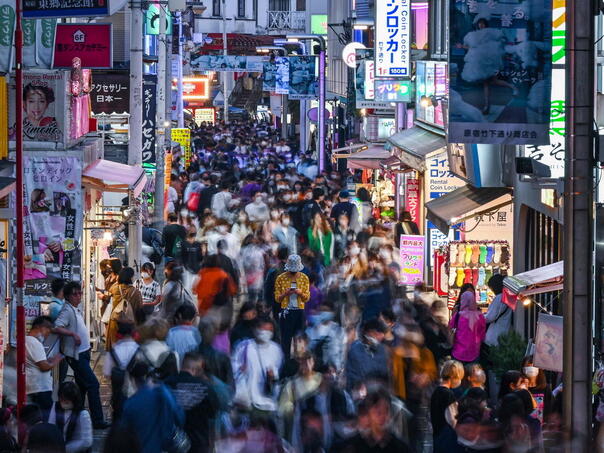
Prime Minister Shigeru Ishiba described the demographic crisis as a “quiet emergency”, promising policies tailored to families, such as free babysitting and more flexible working hours. But efforts to reverse the permanently low birth rate among Japanese women so far they had a small effect.
New data that this week published the Ministry of the Interior and Communications showed that the number of Japanese citizens fell by 908,574 in 2024. Years. Japan recorded 686.061 births, which is the smallest number from the beginning of the records of 1899. years.
At the same time, almost 1.6 million people died. It is 16. consecutive year of the population drops, and the pressure feels national pension and health systems. The number of foreigners in Japan has reached a record 3.6 million, which is almost 3% of the Japanese population.
The government has approximately accepted the side of the workforce by launching digital nomadic visas and training initiatives, but immigration remains a political tense topic in mostly conservative land.
The older people aged 65 and over now make up almost 30% of the population, which is the second largest share in the world after Monaco, according to the World Bank. The working capacity of the population, defined as those between 15 and 64, fell to about 60%.
An increasing number of cities and villages are emptied, with almost four million abandoned homes in the last two decades, the government’s data published last year.
The government has tried in years to increase the rate of birth ratings moving from housing subsidies to paid parental leave. But deep-rooted cultural and economic barriers still exist.
High costs of life, stagnating salaries and rigid work cultures distract many young people since the establishment of a family. The birth rate in Japan is low since the 1970s, so experts warn that for dramatic improvements will take decades.
(Vijesti.ba)