
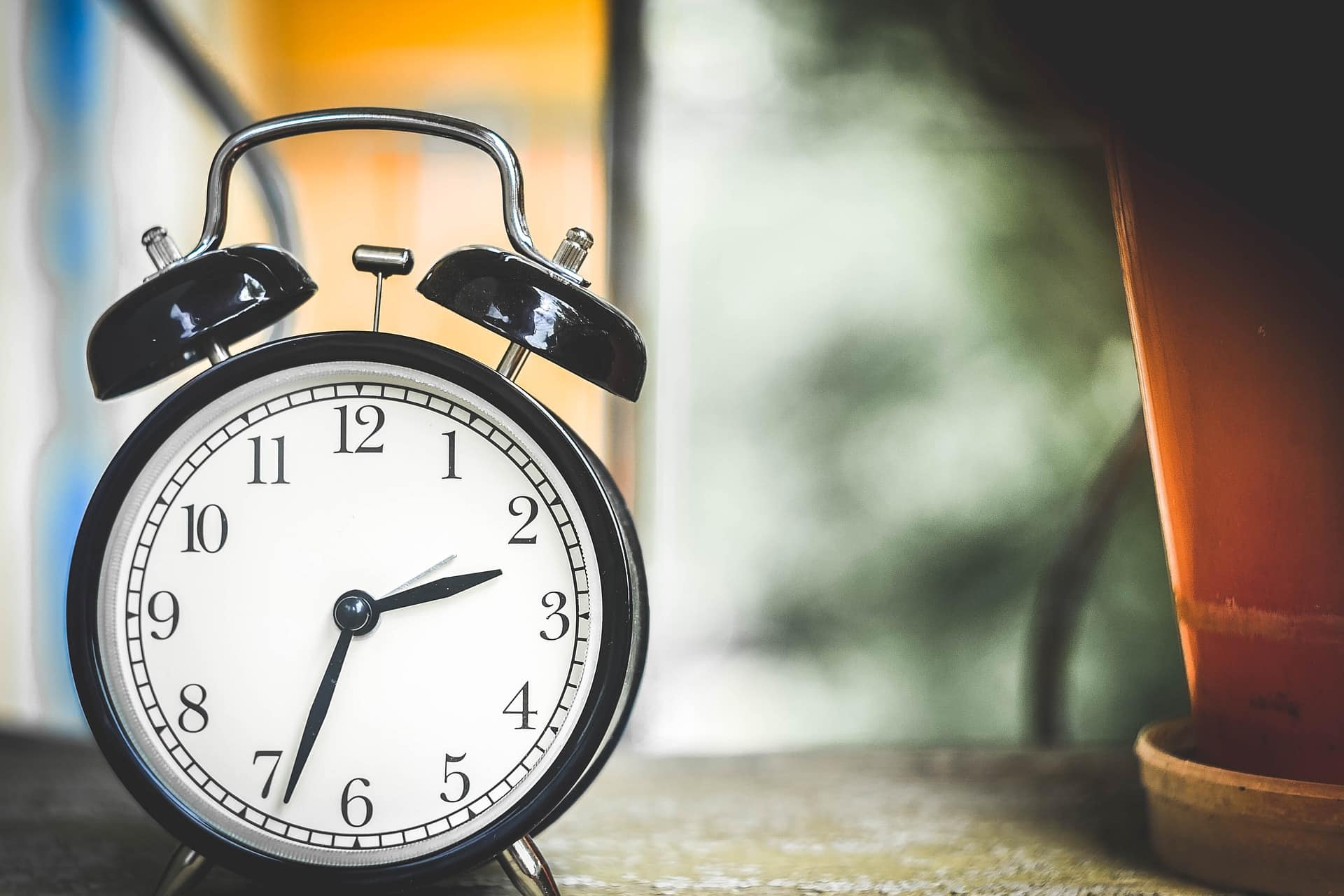
Winter counting time in 2025. The year begins between Saturday and Sunday, 25. and 26. October, when the hands will move one hour back – with three for two hours in the morning. This ends the period of summer counting time and officially transitions to the winter regime.
This change, which traditionally brings more daily light in the morning, and the earlier darkness in the afternoon, this year will happen at the earliest in the last eleven years. Last hour we moved the same date in 2014. years.
The process of moving the clock is not a recent date, stems from the First World War. The first introduced her Germany and Austro-Hungary, with the aim of saving energy. After that, the practice has repeatedly abolished and recovered again in the former Yugoslavia, in order to finally established in 1983. years. By introducing unique regulations at the European Union level in 1996. year, the entire process is standardized, and all members of the Union, pass on the summer time in the last week in March, and return to the winter’s last weeks in October. The basic idea was to harmonize traffic, communications and business within a growing unique market.
Despite the long tradition, dissatisfaction with the shift of the hour reached the highlight of 2018. year, when the European Commission conducted a public survey in which as many as 4.6 million EU citizens participated. The results showed that as many as 84 percent of respondents pleaded to abolish this practice. The European Parliament was in 2019. voted that the seasonal movement of the clock was abolished, with the plan for the last change to be 2021. years. However, then everything cares. Member States failed to comply with the key question: whether to permanently retain the summer or winter time. While some countries like France and Poland were prone to lasting summer time, others, such as Finland and the Netherlands, they preferred winter.
Due to the absence of agreements and later global crises such as pandemic, the decision to abolish the scrolling of the clock is pushed to another plan and put “on hold to further.” According to the currently applicable EU directives, the practice will continue at least until 2026. years.
There is hope that the issue could be reopened during the Polish presidency of the EU in 2025. years, but until then the citizens of Bosnia and Herzegovina can be sure that it will continue to furnish their watches twice a year. Until the final agreement at the Union level is reached, the ritual “lost” hour in the spring and “obtained” clock in the fall remains an inevitable part of everyday life.
While the European Union delays, many countries around the world have long gave up on this practice. Russia was in 2014 permanently passed on the winter time, while Turkey decided to stay on the summer for two years later. Outside Europe, land like China, India and Japan have long abolished movement of the clock. Similar decisions brought both Brazil, Mexico (with the exception of border areas with the USA), Argentina, Uruguay, as well as Iran, Jordan, Syria and Azerbaijan. Even within Europe, there are exceptions: Iceland and Belarus do not move, while in Australia, some federal states apply the summer time, and others do not. This global trend of leaving the seasonal displacement of the clock puts additional pressure on the European Union to finally make a decision and end the practice that many experts and citizens consider overcome.


