Ukrainian negotiators are preparing to meet with US officials in Florida to work out the details of a proposed US framework to end Russia’s war in Ukraine, as Kiev faces military and political pressure.
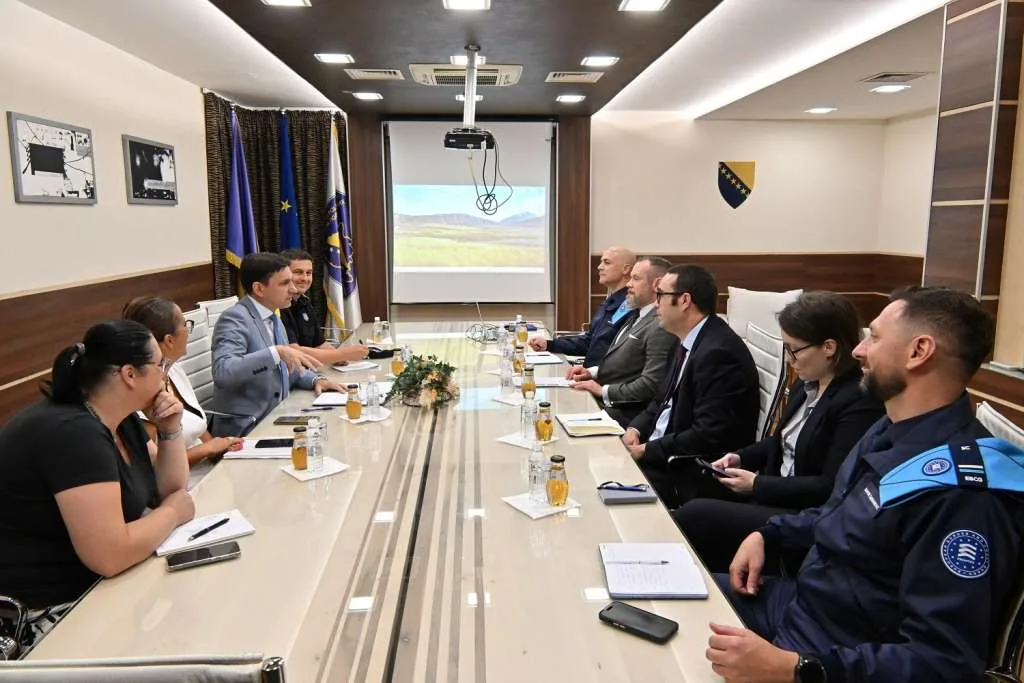
Secretary of State Marco Rubio, special envoy Steve Witkoff and Donald Trump’s son-in-law Jared Kushner are scheduled to sit down with the Ukrainian delegation on Sunday, ahead of planned U.S. talks in Moscow with Vladimir Putin this week.
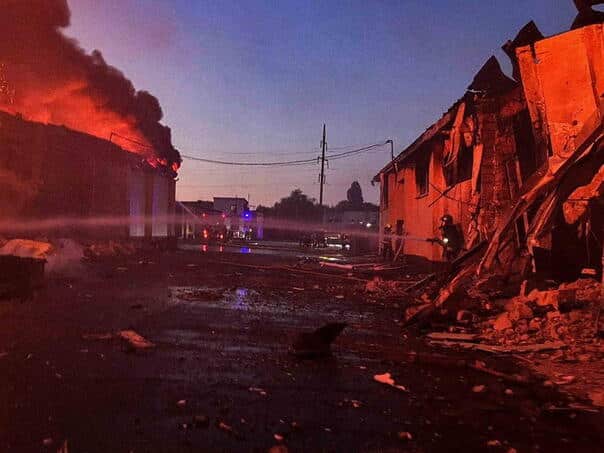
At least six people were killed and dozens wounded across Ukraine over the weekend. One person was killed and 11 wounded in a drone attack on the outskirts of Kyiv on Saturday night, the regional governor announced.
A Ukrainian security source said Kiev was responsible for naval drone attacks on two oil tankers off Turkey’s Black Sea coast, believed to be secretly carrying sanctioned Russian oil.
The talks are expected to focus on the details of a draft framework for ending the war, more than three years after Russian forces launched their full-scale invasion of Ukraine in 2022.
The US amended the original draft after criticism from Kiev and Europe that it was too favorable to Russia, but the current content remains unclear. Witkoff, a New York real estate developer turned Trump official, is scheduled to travel to Moscow next week.
The original 28-point US-Russian plan, drafted last month by Kirill Dmitriev, Putin’s special envoy, and Witkoff, called on Ukraine to withdraw from cities it controls in eastern Donbass, limit the size of its military and not join NATO. Washington’s initial proposal – drawn up without input from Ukraine’s European allies – would have entailed Kiev’s withdrawal from the eastern Donetsk region and de facto US recognition of Donetsk, Crimea and Luhansk as Russian territories.
During talks last weekend in Switzerland – led by Rubio and Ukrainian negotiators – the plan was significantly revised. Kyiv and its European partners believe that the existing front line should be the starting point for territorial talks. They say that there can be no recognition of territories conquered by Russia by military force and that Kiev should make its own decisions about joining the EU and NATO – which the Kremlin wants to block or make conditional.
Ukrainian President Volodymyr Zelensky said he expects the results of the recent meetings with the US in Geneva to be “further ironed out”.
The American talks come at a time of political upheaval in Ukraine. Zelenskiy’s powerful chief of staff, Andrij Jermak, was forced to resign on Friday after anti-corruption investigators searched his apartment over a bribery investigation.
Jermak was the main negotiator in the talks with the USA. Zelensky said that the Ukrainian delegation in Florida consists of Andriy Hnatov, the head of the Ukrainian Armed Forces, Andriy Sybiha, the Minister of Foreign Affairs, and Rustem Umerov, the head of the Security Council.
Ukraine is facing significant pressure from Washington to agree to the terms of the agreement, while Zelensky is in an increasingly difficult position. Russia is making gradual progress on the front, and Ukrainian cities suffer daily power outages of several hours due to constant bombing of the power grid.
Zelensky said Ukraine was in one of the most difficult moments in its history, but in a dramatic address last week he promised his people he would not betray the country.
Valery Zaluzhny, Ukraine’s ambassador to Britain and former commander-in-chief of Ukraine’s armed forces, who is considered a possible future presidential candidate, wrote in the Telegraph: “We are in an extremely difficult situation, where a hasty peace would only lead to a devastating defeat and loss of independence.”
He stressed that “effective security guarantees” are a key part of any future framework.
French President Emmanuel Macron will meet with Zelensky in Paris on Monday. “Peace is within reach if Vladimir Putin gives up his crazy hope of rebuilding the Soviet empire by first subduing Ukraine,” French Foreign Minister Jean-Noël Barrot told La Tribune Dimanche. Barrot said: “Vladimir Putin must accept a truce or face new sanctions that will deplete the Russian economy, as well as increased European support for Ukraine.”
(Vijesti.ba)