
Interest in synthetic propellants has surged following the war in Iran and the closure of the Strait of Hormuz, a key route for global energy supplies.
– Now the business case for e‑SAF is much stronger – said Ineratec strategy director Mariano Berkenwald.
Before the crisis, e‑SAF was promoted primarily for its climate benefits, it can reduce aviation emissions by 90 percent, while the aviation sector is responsible for up to four percent of EU greenhouse gas emissions.
The European Commission has stipulated that by 2030 at least 1.2 percent of fuel at airports must be e-SAF, and by 2050 as much as 35 percent, writes AFP.
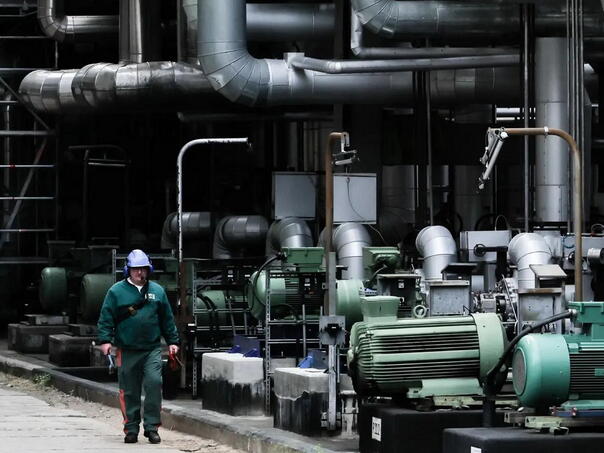
However, the sector faces high costs and a lack of investment. Ineratec’s factory produces about 2,500 tons of fuel per year, which is enough for only about fifty transatlantic flights. Nine large plants are needed to meet the EU target, and currently there are none.
Around 40 projects across Europe remain blocked due to lack of funding.
The German military has already tested the fuel, and other governments have shown interest.
– The current crisis is a wake-up call about Europe’s energy independence – said Ourania Georgoutsakou from the Airlines for Europe association.
The European Commission is considering the establishment of a financial mechanism to support the development of e‑SAF.
Although the price of e‑SAF is ten times that of kerosene, analysts believe that the involvement of governments and the military could attract investors and accelerate development.
(Vijesti.ba / FENA)



Chat readers
Join the discussion