
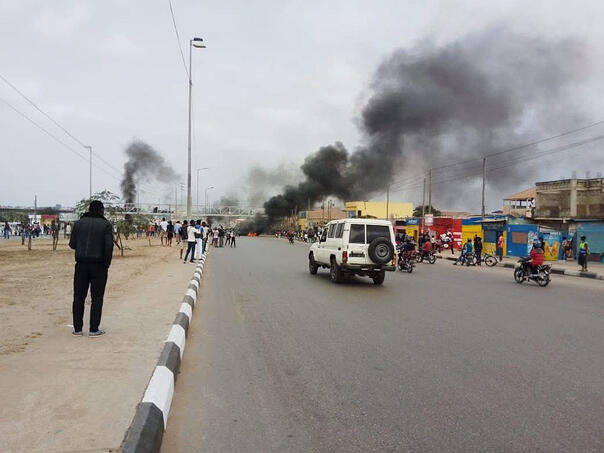
The riots started on Monday, and they also included conflicts with the police after the Government announced that it would increase the price of the diesel to reduce the pressure of subsidies on public finances, Reuters writes.
Angola | Le Pays Est Secoué Couple L’Une Des Plus Importantes Vagues de Protestation. Contre la Hausse des Prix à la pompe, des Milliers de Citoyens Sont Dans La Rue, Bloquant des Routes, Pillant des Magasins et Détruisant des vointes. DES Affrontements Avec La Police Signalés. pic.twitter.com/2msuvptfkh
– Nanana365 (@ Nanana365Media) July 29, 2025
In response, the local taxi associations in the capital Luanda increased transport prices by 50 percent and began a three-day strike, during which violence occurred.
According to Mateus Rodrigez police spokesman, more than 500 people were arrested, while shops, banks and some firms were looted and vandalized.
Rodriguez stated that there still has occasional mess in Luanda and that about 45 stores and 20 public buses were damaged.
The taxi association Anat was distinguished from violent riots, but said their strike would be continued according to the plan.
“It has become clear that the voice of the taxi driver reflects the protests of the Angola nations,” the Anat statement said.
Angola is one of the largest oil producers in Africa, but the country does not have enough refineries to satisfy domestic demand, so it must be imported by diesel and high pricing gasoline, euronews explains.
In the country, in the last year, the fuel subsidies were gradually reduced, and protests due to the increase in gasoline from 2023. years are also completed by mortal outcomes.
(Vijesti.ba)