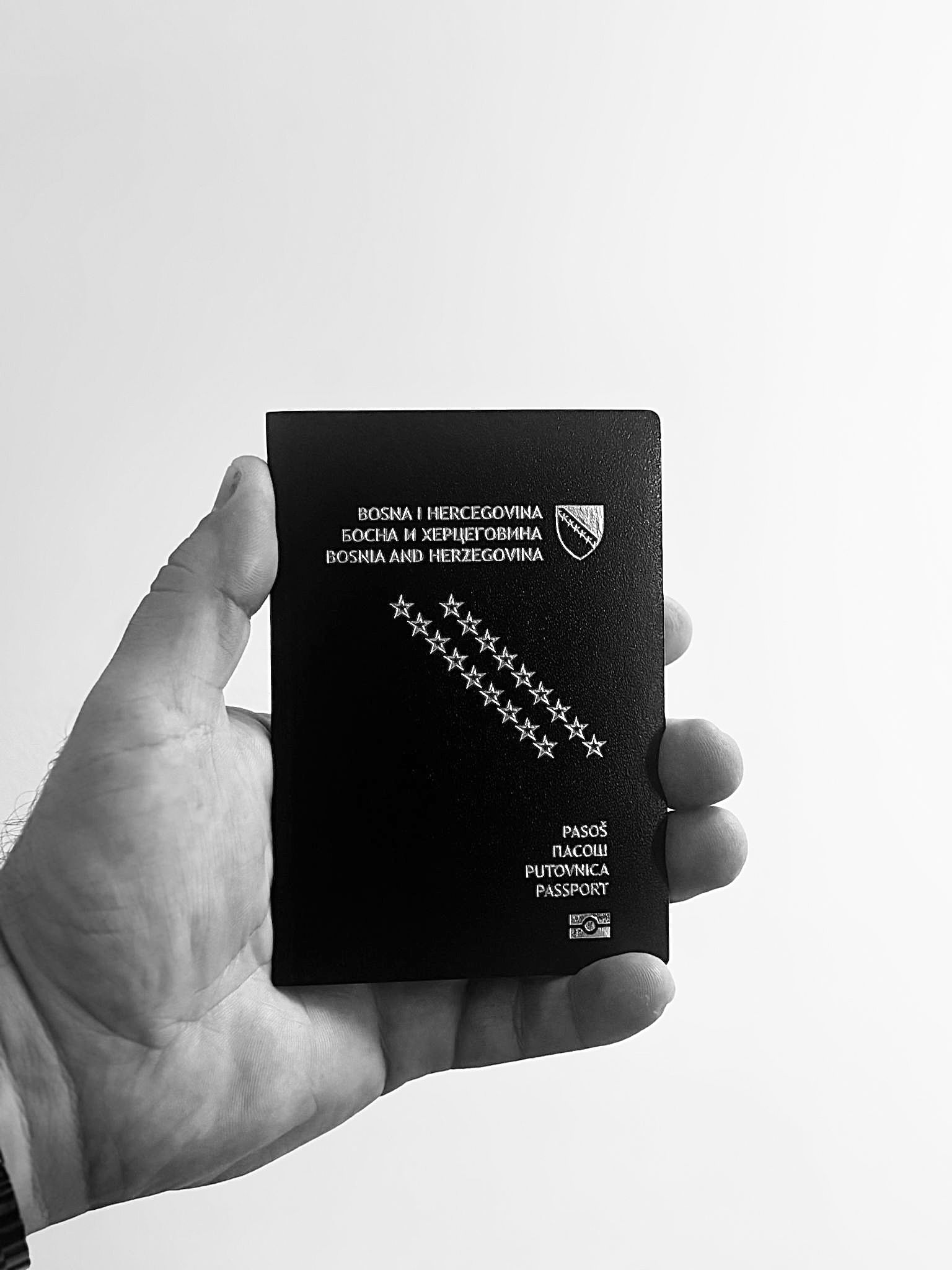
An expired passport isn’t the only problem that can ruin a traveler’s plans. There is another inconvenience that you might experience if you travel to certain countries.
Most people know that for most destinations a passport must be valid for at least three months beyond the planned date of arrival or return, with rules varying depending on the country you’re visiting.
Too few blank pages can ruin your trip
What you may not know is that you may be denied boarding if your passport is found to have too few blank pages, reports City Magazine.
Lesser-known rules in a number of countries, particularly in Africa, Asia and the Middle East, require travelers to have two to four blank pages in their passports for visas or stamps. Some airlines may deny you boarding if your passport does not meet these requirements.
Which countries are looking for the most blank pages?
The country that requires the most blank pages is Namibia, where you are expected to have as many as six blank pages in your passport.
The stamp of Namibia occupies almost the entire page, and if you need an extension of your stay in this southern African country, additional stamps are also placed on new pages.
Other countries that require three blank pages in the passport include Botswana, Mozambique, Zambia, Brunei, South Africa and Madagascar.
Travelers visiting destinations such as the Bahamas, Cuba, China, Singapore or India should ensure they have at least two blank pages.
Experts recommend always traveling with at least two blank pages in your passport to ensure a smooth journey.
The good news is that collecting stamps while traveling around Europe is now a thing of the past.
What does the new EU entry and exit system bring?
In October 2025, the European Union began to introduce the Entry/Exit System (EES), a new digital border management tool that records biometric data, as well as dates of entry and exit of non-EU nationals.
From April 10, 2026, the member states of the European Union began the full application of the entry/exit system – EES (Entry/Exit System), which ends its gradual introduction and switches to the exclusive digital recording of crossings of the external borders of the Schengen area, which means that citizens of Bosnia and Herzegovina will no longer have their passports stamped, they write. Vijesti.ba