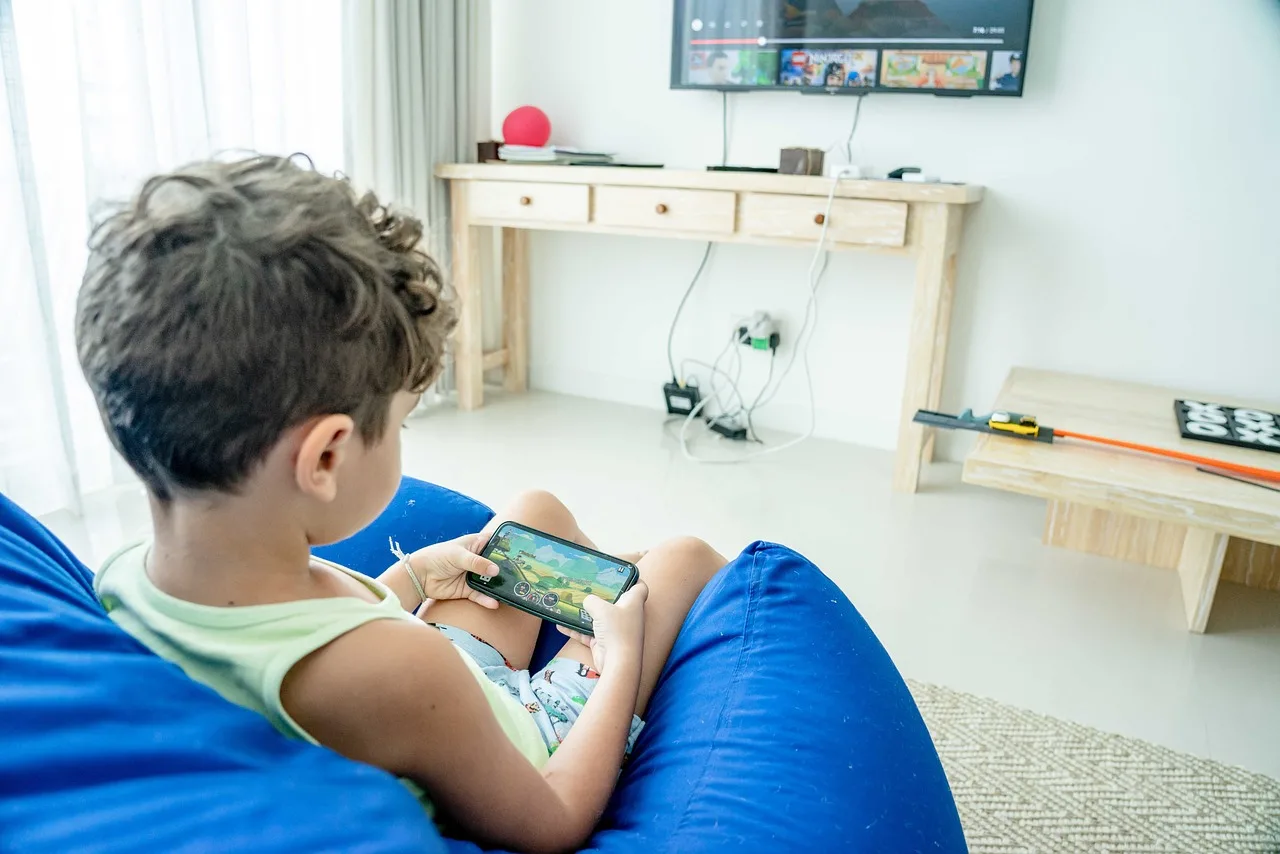
Social networks have long been no longer just a place for entertainment and communication. For many, they have become a way of informing, connecting and spending free time. At the same time, more and more people are talking about the consequences of excessive use, especially among children and young people.
Instagram, TikTok, Facebook… For some a few minutes a day, for others many hours. The time spent on social networks varies from person to person, but one thing is certain — they have changed the way we talk, get informed and spend our free time.
“I use it, but not too much”, “Almost every day for a good seven hours. I use Instagram and TikTok the most”, “Perhaps for hours”, “Half an hour at most”, are the comments of young people.
Phones replaced conversations, socializing and books
While some claim that they can live without social media for days, others warn that phones have replaced conversations, socializing, and books.
“I can spend a few days without social media. I mean, not really a few days, maybe more, I’m not that obsessed,” says one girl.
“Social networks and mobile phones are simply part of our everyday life, part of everyday life, part of functioning in real society. I defend the position that it is absurd to ban something that is part of our everyday life, but that some measures should also be introduced in the sense that it is not the only source of entertainment, the only source of information, the only source of functioning”, emphasizes sociologist Vladimir Vasić.
More and more countries are introducing restrictions for the youngest
Concern about the influence of social networks on children and young people has led to concrete measures in some countries. Australia was the first to ban the opening of accounts on social networks under the age of 16, while Great Britain and France are preparing similar restrictions. Common rules for the protection of the youngest are being discussed more and more seriously at the level of the European Union.
“I think that parents no longer know what it means for a child to read a book, because everything is on a mobile phone”, “I would forbid children. Or not completely, but I would at least shorten their pleasure”, “If I were to speak percentageally, maybe 60:40 in favor of the negative. There are many manipulations on the Internet, scams, fake profiles and so on. And 40 percent of these are good things — they facilitate payment, information arrives from various sources. One can reach them more easily without having to go to it place”, according to the citizens.
It is not enough just to ban
Sociologist Vladimir Vasić believes that bans by themselves are not enough and that society must offer real alternatives.
“We can’t just ban and say we ban, it’s not good. Yes, we all know it’s not good, but what do you offer me as some other and different content,” says Vasić.
He adds that man is a social being who needs real contacts and live content.
“I am of the opinion that man is a social being. He is looking for togetherness, he is looking for integration in society. It is simply necessary to provide the conditions for him to be integrated through a live program, and not just to use a link via phone,” Vasić points out.
The question is no longer just how much time we spend on the phone
Today it is difficult to completely escape from social networks. However, the question is no longer just how much time we spend on the phone, but what consequences such a method of communication has on our relationships and the way we spend our daily lives, he writes. N1 BiH.