
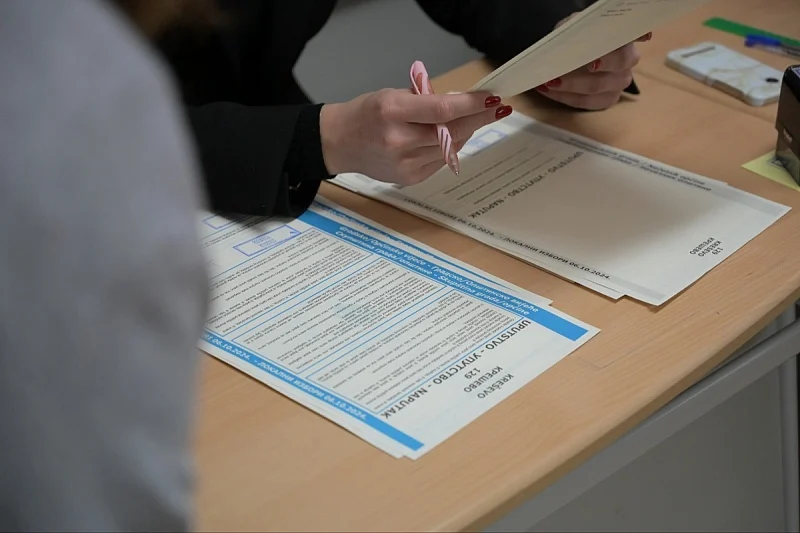
The Central Election Commission of Bosnia and Herzegovina certified the applications of 75 political parties, four independent candidates and 29 coalitions for participation in the October General Elections. The submission of candidate lists is in progress and will last until July 6. In relation to the number of inhabitants, Bosnia and Herzegovina is at the top of the European ranking in terms of the number of political subjects.
Bosnia and Herzegovina leads in terms of the number of political subjects compared to the European average. One political party per 42,000 inhabitants. According to that analogy, Germany should have 2,000 political parties.
VEHID ŠEHIĆ, former member of the CEC
“In local elections, you have far more. One year we had 584 political subjects. When it comes to the state level, the largest number was 145. People see politics as an opportunity to secure their future, and politics has unfortunately become a business here.”
The large number of political parties in Bosnia and Herzegovina is not a proof of democracy, but a fraud on democracy, according to analyst Ivana Marić. This is especially pronounced, he says, with small parties, which serve to trade polling stations and take votes for a candidate in order to help another candidate.
IVANA MARIĆ, political analyst
“This is known to the CEC and the prosecutor’s office, and the question is why they are not doing anything. And the second question is that the electoral threshold is not increased to 5 percent to get rid of those small parties that most often caused problems and when they enter power, they are the most abusive.”
For journalist Željko Raljić, the expansion of political entities in Bosnia and Herzegovina speaks of the absence of political culture and real democracy. It is proof that politics is the best paid job in our country.
ŽELJKO RALJIĆ, journalist
“Bosnia and Herzegovina has a huge administration and there is room for brokering and bribery. That is why there are such a large number of political parties that trade in advance and before the elections. Many of them will not pass the census but will assist larger parties and will find their interest, they will sell members in electoral committees.”
Our interlocutors conclude that the application of election technologies in the General Elections in October will significantly reduce election malpractices, and thus the chance for brokering of political entities, which could ultimately affect the reduction of the number of political parties, writes BHRT.


