
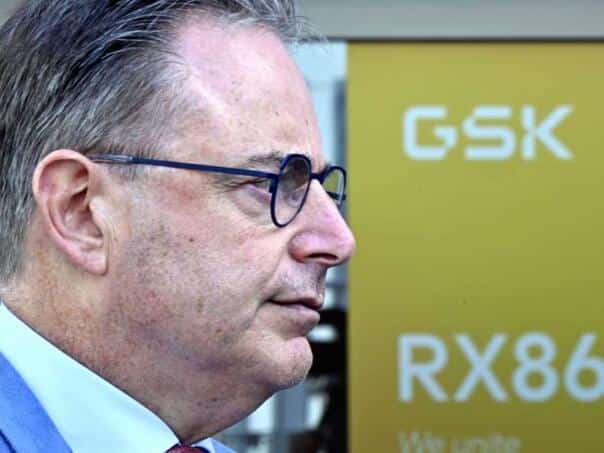
De Wever said he was disappointed to hear that French President Emmanuel Macron reportedly wants to include China in coordination efforts ahead of next week’s G7 summit, Euractiv writes. At the summit, the leaders are expected to discuss Beijing’s trade practices.
– All this is very good, but we undertake many initiatives. It’s time to adopt a strategy – De Wever said at the event, hosted by the European think tanks Friends of Europe and the Jacques Delors Institute.
– China does not take many initiatives. These people have a strategy. And the strategy will eat our initiatives for breakfast – he warned.
EU leaders will meet in Brussels on June 18-19, the day after the G7 summit, at which China is expected to be a prominent topic, albeit not officially. De Wever noted that the topic was labeled “geoeconomic imbalances” because Europe was too “afraid” to name China directly.
De Wever was one of the more vocal European leaders on this issue. In March, he wrote a letter to European Commission President Ursula von der Leyen calling for the issue to be resolved at the level of the European Council. In the letter, the Prime Minister warned that Beijing’s economic policies are damaging the European industrial base.
Despite the threat to European industry, the prime minister warned against reacting with a race in subsidies or trade barriers. Europe would lose out on the former, he argued, while the latter would increase costs for both businesses and consumers.
Instead, he advocates a more assertive use of the EU’s existing trade defense instruments, reciprocal market access conditions for Chinese companies operating in Europe, and a reduction in European dependence in strategic sectors.
– Europe should act as a “pole star” for countries looking for an alternative to the power politics of Washington or Beijing – says De Wever, supporting the rule of law and rules of open trade.
(Vijesti.ba / Fena)


Chat readers
Join the discussion