
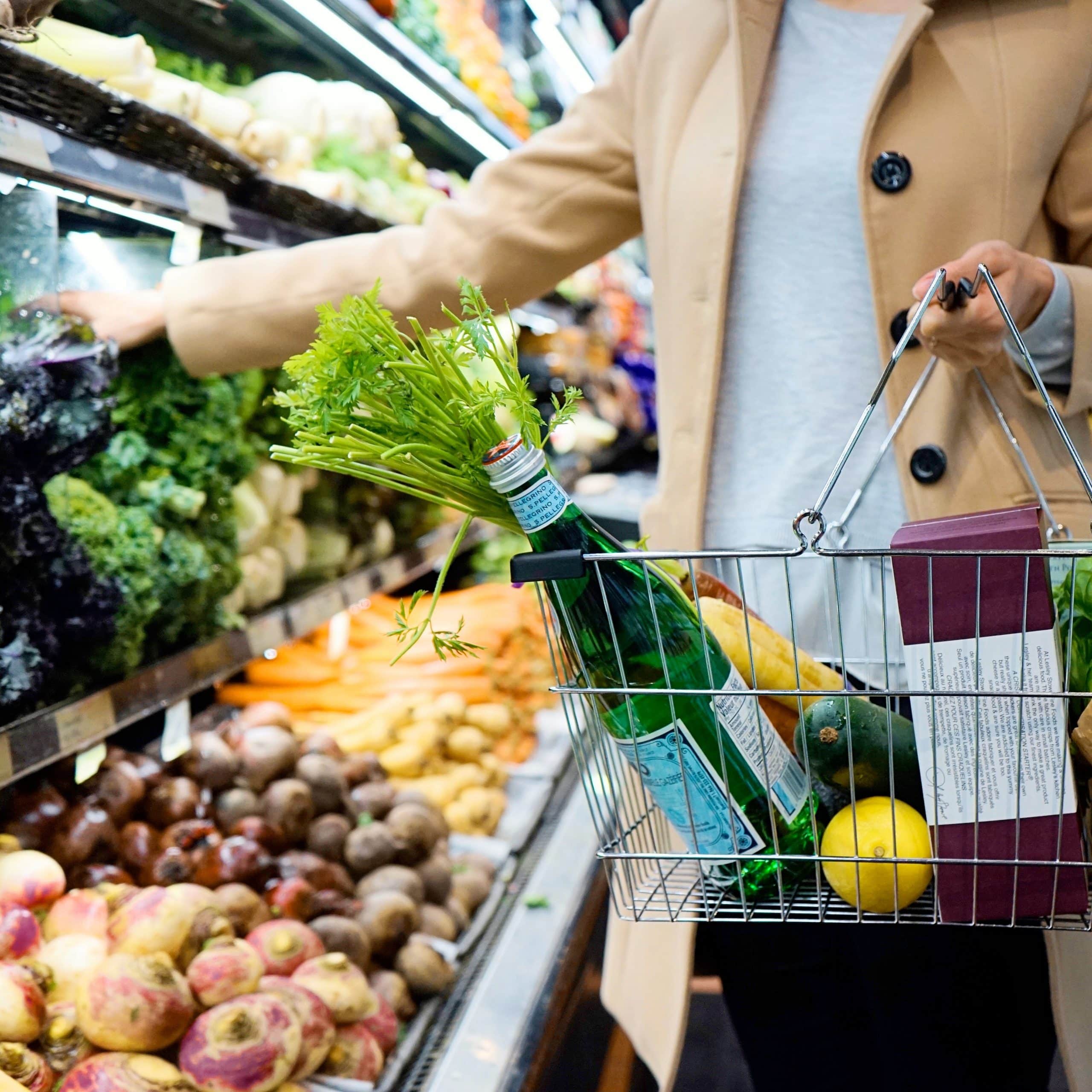
The prices of oil on the market shelves are on the rise, and the price of vegetables has also increased in recent days. As the producers point out, an increase in the price of oil can be expected in the coming months due to the poor yields of oilseeds.
After a long period of stagnation, the prices of cooking oil in Bosnia and Herzegovina are rising again. According to customers, the price of one liter is up to 70 pfennigs higher, which is a significant blow to already thin wallets.
In the only oil refinery in Bosnia and Herzegovina, they say that the reason for the latest price correction lies in the lack of domestic raw materials, as well as movements in the world market.
“Our company buys everything that domestic producers produce, if it is in accordance with business standards, but this cannot meet the needs of the domestic market for edible oil. That is why we depend on raw materials from the world market. In addition, edible oil is a stock market commodity, and the situation on our Bosnian market and on the shelves in our sales facilities depends on the stock market and the state of the world market. And now we have a situation where the price of edible oil on the world market is on the rise and this, to a certain extent, is reflected on the domestic market as well”, according to the Bimal company.
In addition to oil, the end of the year also brought more expensive vegetables to market stalls across the country.
“Local vegetables are disappearing a little bit, and then it is normal to expect that the prices will be more expensive, although domestic ones were also expensive, imported peppers cost five marks, eggplant six,” says Olenija Trifković, a seller at the market.
Although the price of fish has not increased, fishmongers say that the increase in the price of oil increases the cost of grilling fish.
“Oil jumped, everything jumped, but the price remained the same here. The costs are increasing, but we are left for this year, so we will see what we will do for the next one,” Mirko Nikolić, a fishmonger worker, points out.
For those who follow price movements, the New Year’s gift in the form of a new wave of price increases is not a surprise.
“Whatever they do, in the end we, the consumers, pay for it. Any reorganization of theirs, we will pay for it in the end, but unfortunately, we pay more every time”, emphasizes Jovan Vasilić from the Consumer Association “Zvono” Bijeljina.
“We spend almost 70 percent of our income on food, and that is an indicator of poverty, because in the West, about 30 percent is spent on food,” says economist Aleksa Milojević.
The pressure on the household budget will apparently not decrease, and with all the sacrifices made so far, the belt can no longer be tightened. While waiting for systemic solutions, it is only certain that new price increases will await us in the new year as well.
Source: bosnainfo