
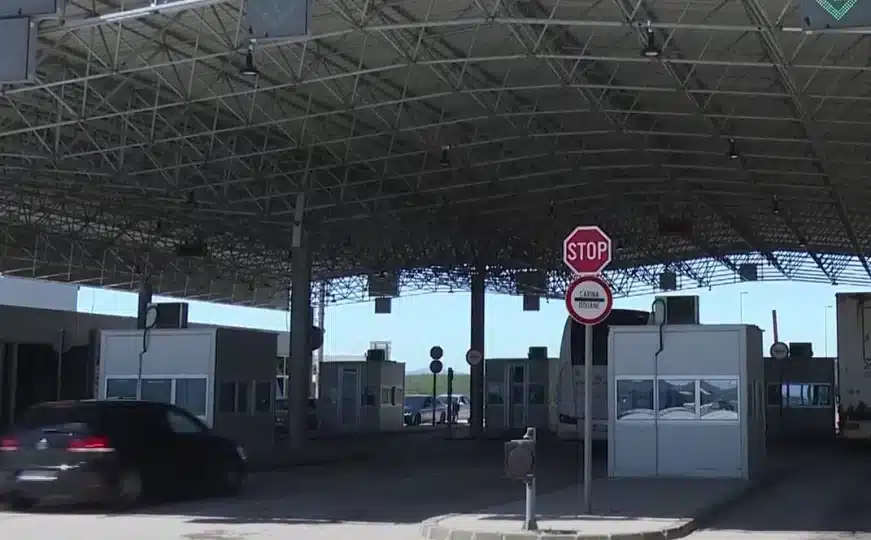
For the economy of Livna and Tomislavgrad, the border crossing is crucial, especially for the export of products in the Split-Dalmatia County, the market to which this region naturally gravitates.
However, by entering Croatia in the European Union in 2013. year, Kamensko was returned from the first to the third category, which prevents the export of goods and animal origin.
This status creates huge logistical and financial losses to producers, which are now forced to use remote border crossings such as Bijac and Gradiška, writes BHRT.
More kilometers, higher costs
The example of the absurdity is best shown by Livanjska dairies, one of the largest cheese manufacturers in Bosnia and Herzegovina. Instead of the cheese to place through the nearby stone, now they drive it up to 300 kilometers further, which increases costs, and loses competitiveness.
“We are forced to reduce to one to two per month, while we used to do this every day. Due to high costs, part of the range is no longer profitable for that market,” Kidimir Chamber, director of Dairy Livno.
In addition to the dairy, they also suffer their subcontractors. Among them is an eco farm rascents from Tomislavgrad – the second largest in the canton, with 340 heads and significant milk production.
“Transport to the EU is increasing to them, which is reflected on us. They cannot increase the price of milk buying. He has been waiting for the decision for 13 years, and the terms of the overlay,” Mario Baković, the director of the Eco Farm, Rašćani.
A transition that meets all technical conditions
The border crossing was built by the European Union funds, about seven million marks were invested, but still carrying the status of a third-corded transition. The businessmen and local authorities have insisted on its over-categorization for years, to enable exports of all types of goods.
Recently, the delegate in the House of the Peoples of the Parliamentary Assembly of BiH, Ilija Cvitanović, launched an official initiative to seek to return to the first category. The initiative was forwarded to the Council of Ministers of BiH, which should initiate the necessary procedures in cooperation with Croatia and the EU.
“According to my knowledge, interviews with the EU and the Republic of Croatia are underway. I believe that we will soon resolve this technical barrier that has long since the development of people on both sides of the border,” Cvitanovic said.
Despite numerous appeals through the past decade, there were no solutions. However, manufacturers still believe that politics will finally have hearing, because it is not just a border crossing – it is the artery of the economic survival of one end.


