
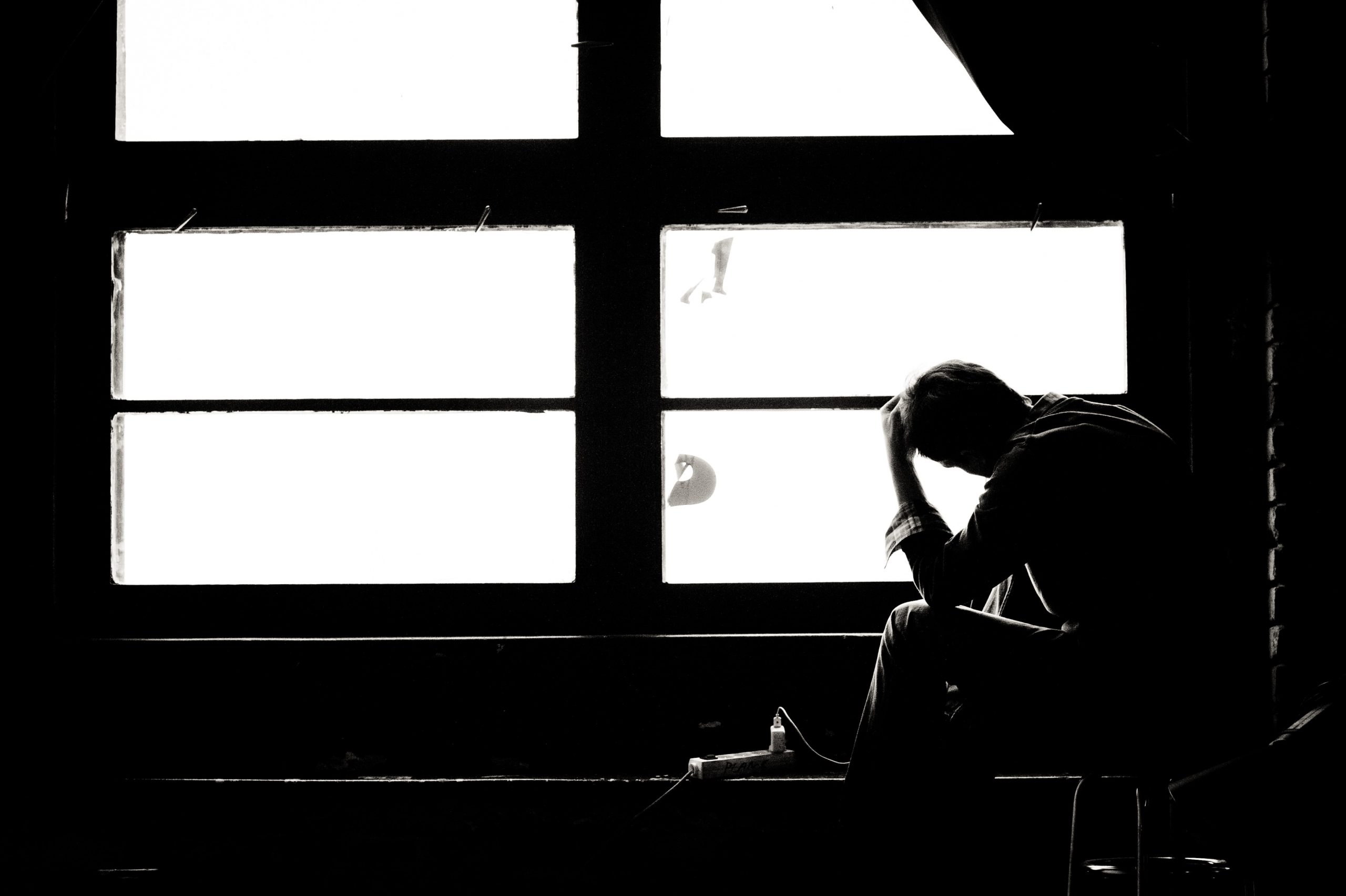
Experts claim that the number of people seeking professional help in the field of mental health care has generally increased, including children and adolescents.
According to experts, children’s mental problems are caused by the influence of various factors, biological, psychological and social, i.e. their daily experiences in families, school and with peers.
“Most often, risk factors do not appear in isolation, and tend to interact with each other. Sensitivity to risk factors varies depending on age and gender, the duration of exposure or the occurrence of several risk factors at the same time, but also which risk factors have occurred. Problems in the child’s functioning in the school environment can be one of the factors that will negatively affect the child’s mental health, but we certainly cannot say that it is the only cause of disturbances”, says psychiatrist Gazmend Ljutifu, coordinator for mental health centers at the KS Health Center.
He emphasizes that the school, in addition to the family, is the environment where a child’s mental disorders initially manifest, and the school has an important role in recognition and early intervention.
“The lack of recognition and treatment of mental disorders can have more serious and complex consequences on the child’s mental health, which will have consequences for later life as well. In addition to risk factors, we must also mention protective factors that include the characteristics and capacities of the individual’s personality, protective factors from the family, peer community, school, and the like. Family and school should be the strongest protective factors of every child. The more protective factors a child has, the lower the likelihood of mental disorders, and at the same time the negative impact of risk factors is reduced,” Ljutifu points out.
Most often, children and young people turn to the “Blue Phone” advisory line of the Association “Nova generacija” from Banjaluka due to problems with their mental health.
“The most common themes are still fear and anxiety, depression, loneliness, and suicidal thoughts and ideas. In addition to mental health, violence and abuse are also frequent topics of conversation, with the most prevalent being domestic violence and online violence. Likewise, children and young people often turn to them to discuss their relationship with their parents, partner relationships, difficulties they encounter in friendships, and problems related to school,” points out Maja Kovačević, coordinator of “Blue Phone”.
He adds that during this year there was neither an increase nor a decrease in the number of conversations due to difficulties at school, and the number is approximately the same as in previous years. On average, about nine percent of conversations are about school-related difficulties.
Kovačević explains that when it comes to difficulties related to school, the most common topics are: peer violence, problems with learning and mastering material, overload and pressure due to assignments and other school obligations, feelings of fear and anxiety in public speaking situations (oral and written answers ), misunderstandings with professors or lack of support and understanding.
Kovačević points out that “Blue Phone” is available for all children from Bosnia and Herzegovina.
“In most cases, the calls are anonymous, so the children do not have to tell us from which city/town they are contacting us,” says Kovačević.
He emphasizes that it happens that there are children who, due to the great pressure they experience in the context of school and learning, have feelings of fear and concern or state that they feel anxious and depressed.
“A large amount of responsibilities and pressure at school can lead to a feeling of being overwhelmed, where children can experience strong feelings of fear, procrastination, listlessness, lack of motivation, and difficulty concentrating,” says Kovačević.
The KS Ministry of Education states that the evaluation of students in primary and secondary schools is defined by the Rulebook on Monitoring, Evaluation and Assessment of Primary and Secondary School Students in Sarajevo Canton.
“The harmonization of assessment criteria is done by the school’s professional staff, and their members are teachers of certain teaching subjects or two or more related subjects, that is, teachers of certain teaching areas. The Ministry of Education has not changed the aforementioned rulebook, which has been in force since 2018,” the Ministry states.
Lejla Gabela, graduate psychologist and CBT psychotherapist, points out that, in the context of developmental psychology, the period of primary school age is the period of the most intensive growth and development and includes the largest number of changes both on the physical, cognitive, emotional and social level.
“Going to school itself is a change in a child’s life because the child encounters a defined structure, clear requirements and rules. Most children adapt adequately to the new environment, but some children also have problems with adaptation, and problems such as separation anxiety, the inability to control their own emotions, and certain unacceptable forms of behavior,” says Gabela.
He emphasizes that the transition to older classes implies a greater load of school material, changes in teaching, such as the inclusion of several teachers instead of one teacher, along with intense puberty changes (physical), and new social/peer challenges, which causes most adolescents to reconsider their image about oneself, oscillations in self-confidence, and in some it leads to anxiety or depressive symptomatology, it can also lead to self-harm, and in the most severe cases, suicidal thoughts and intentions, they write Independent newspaper.


