
Heat waves represent one of the most significant weather risks for the health of the population during the summer months, and in recent years their increasing intensity and frequency have been recorded, warns the Institute for Health and Food Safety Zenica (INZ).
Food, water, clothes, premises…
According to the forecasts of the meteorological services, extremely high air temperatures are expected in the coming days, which may adversely affect the health of the population. Elderly people, children, pregnant women, people with chronic diseases, as well as people who work or stay outdoors for a long time are especially at risk.
– High temperatures can lead to dehydration, heat exhaustion, sunstroke and deterioration of existing health conditions, according to dr. Elma Kuduzović, head of the Institute for Public Health INZ.
In order to reduce the risk of heat-related health problems, citizens are recommended to adhere to the following protective measures:
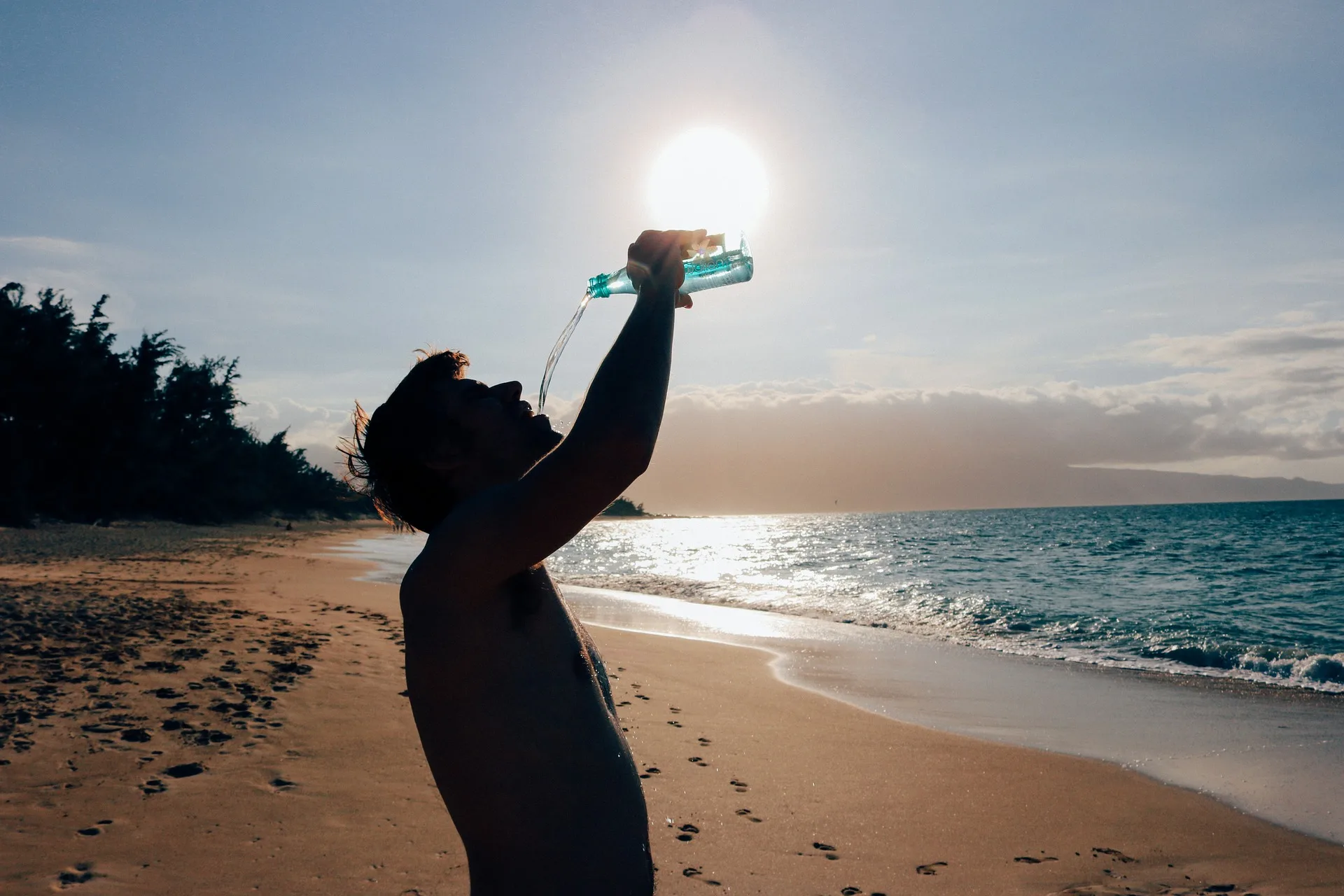
Drink enough water throughout the day, even when you don’t feel thirsty. Avoid alcoholic beverages, as well as large amounts of coffee and sweetened beverages, which can contribute to dehydration.
Avoid being outdoors during the hottest part of the day. Plan your stay outdoors in the morning or evening. If you must be outside between 10 a.m. and 5 p.m., use sunscreen and take frequent breaks in the shade.
It is recommended to wear light clothes made of natural materials and bright colors. Protect your head with a hat or cap, and your eyes with sunglasses.
Ventilate the premises early in the morning and in the evening, and during the day keep the blinds, curtains or other protection from direct sunlight down to prevent excessive heating of the premises.
Plan intensive physical activities, sports training and outdoor work in the early morning or evening hours. During high heat, reduce physical efforts and take more frequent breaks.
Choose lighter meals, with an increased intake of fruits and vegetables. Avoid heavy, fatty and hard-to-digest food, which puts additional strain on the body.
Special care for the most vulnerable
– Children, the elderly, pregnant women and people with chronic diseases are particularly sensitive to the effects of high temperatures. It is necessary to regularly monitor their condition, ensure sufficient fluid intake and allow them to stay in cooled rooms, notes Dr. Kuduzović.
Never leave children, the elderly or pets in a parked vehicle, even for a short time. The temperature inside the vehicle can rise by dozens of degrees in a very short time, which can lead to serious health consequences.
In the event of the appearance of symptoms such as severe weakness, dizziness, nausea, severe headache, rapid heart rate, elevated body temperature, disturbance of consciousness or loss of consciousness, it is necessary to seek medical help immediately.
Taking care of your health during the summer months means responsible behavior and adapting your daily activities to weather conditions, according to INZ.
By timely adherence to the recommended measures, it is possible to significantly reduce the risk of harmful consequences of high temperatures and preserve health during the period of summer heat.


