
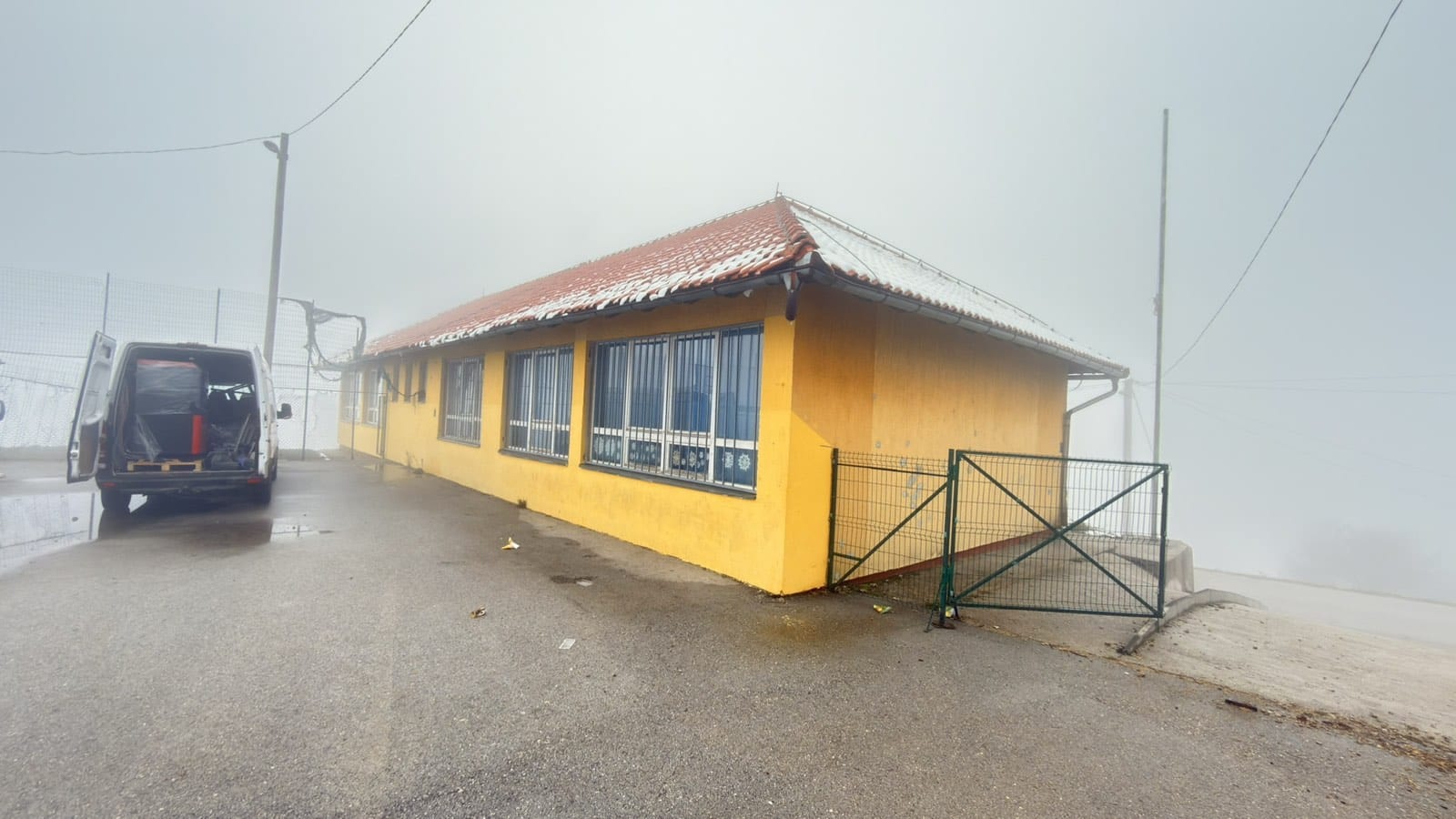
In the elementary school “Ahmed Muradbegović” Strajani – PŠ Vrselje, mechanical work began on the installation of a pellet boiler with an installed power of 44 kW. This is the first in a series of 22 elementary schools in the area of Zenica-Doboj Canton where pellet boilers will be installed in the coming period, with the financial participation of the Ministry of Education, Science, Culture and Sports of the ZDK.
It is a continuation of the joint project with UNDP, which includes the replacement of a total of 23 boiler rooms in the area of the canton. The value of works per school is determined successively, in accordance with the dynamics of execution.
– We solve one school at a time, systematically and planned. This is an important step forward in reducing carbon emissions, increasing energy efficiency and improving the living conditions of students and teachers – said the Minister of Education, Science, Culture and Sports of ZDK, Mirza Mushija.
He added that all schools that are still heated with coal or heating oil will gradually switch to more environmentally friendly energy sources in the coming years.
In 2024, the ZDK government became a partner implementer of the UNDP BiH project “Low-Carbon”, which is financed by the Green Climate Fund (GCF), and refers to the replacement of fossil fuel boilers with more environmentally friendly energy sources.
ZDK participates with slightly less than 50 percent of the project price, with 460,000 KM, while the rest is financed through UNDP BiH. The total value of the state project is 122 million US dollars, with the aim of reducing about two million tons of carbon emissions, which is also significant for ZDK, which is one of the mining regions with a large use of coal.
The Zenica-Doboj Canton is known for investments in school infrastructure, especially energy efficiency and the transition to environmentally friendly fuels, which are financed from the budget or together with partners. Last month, an energy efficiency project was completed in four schools in the area of this canton, implemented with Caritas Switzerland, worth 300,000 KM, with equal financial participation from both parties.


