
The government launched a major campaign to encourage people to vote, and all candidates were vetted to be loyal to China. A total of 161 candidates are vying for 90 seats in the LegCo, which can make and amend laws. This is the second election since 2021 when China changed the electoral structure to ensure that only “patriots” are in power. Critics argue that the changes have weakened democracy.
After last year’s record low turnout of 30%, this year the authorities are offering prizes, vouchers, free entry to museums and swimming pools, entertainment programs and even a campaign featuring mascots and an Aaron Kwok theme song to motivate citizens.
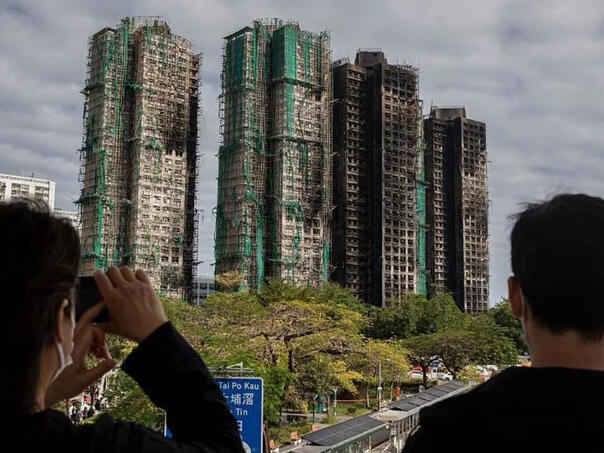
However, the city’s focus is on the Tai Pou fire of November 26, the worst in more than 70 years. With 159 confirmed victims, authorities ordered an investigation and arrested 13 people on suspicion of manslaughter. It was determined that the fire quickly spread to the building due to the flammable facade mesh used in the renovation.
Police also arrested people who demanded an independent investigation, and political campaigning was briefly suspended. Prime Minister John Lee is insisting that elections go ahead so that new lawmakers can support rebuilding and reforms.
Professor John P. Burns from the University of Hong Kong estimates that the government will interpret the high turnout as a sign of legitimacy, but expects a low turnout due to the tragedy and the absence of opposition candidates. Some supporters of the government may be pleased with the swift delivery of aid to the victims, while others remain disappointed with the handling of the crisis.
This year, new representatives enter the LegCo, while a quarter of the previous ones are retiring, mostly over 70 years old, including Regina Ip, the former security minister.
(Vijesti.ba)


