
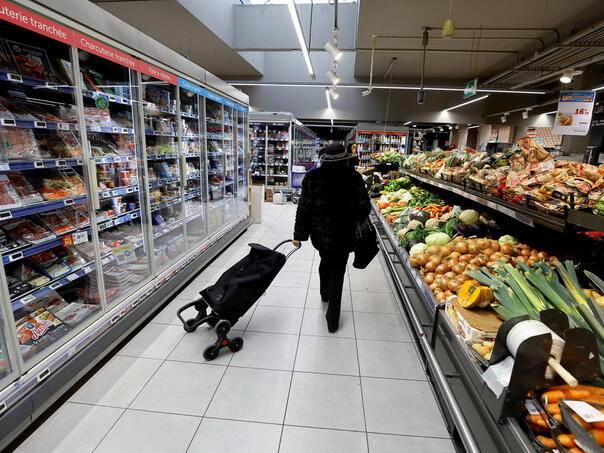
The study shows that the market in France is increasingly divided. On the one hand, there are premium products focused on health and ecology, while on the other, there are cheaper options of limited quality, reports Euractiv.
Such a market structure, together with persistent price increases, is deepening the gap between richer and poorer households, the report added.
Food prices in France will continue to rise, under the influence of factors such as climate change, energy costs and frequent health crises in livestock, IDDRI warns.
As stated, the average annual growth of food prices in the period 2020-2024. it reached six percent, while in earlier periods it was less than two percent.
In 2023, food prices in France were 10 percent higher than the European average, reports Tanjug.
The increasing insecurity in supply and the growth of poverty put an additional burden on family budgets and expenditure on food, notes the institute.
Similar changes can be seen in other European Union countries.
“The high cost of living continues to affect households, and food prices continue to rise across Europe,” warns the representative of the European Consumer Organization (BEUC), Samuele Tonelo.
To alleviate the pressure, IDDRI proposes policies that encourage healthier and more sustainable diets, while supporting the most vulnerable.
At the level of the European Union, Tonelo believes that systemic changes are needed, which implies a deep reform of the Common Agricultural Policy (CAP).
(Vijesti.ba)


