
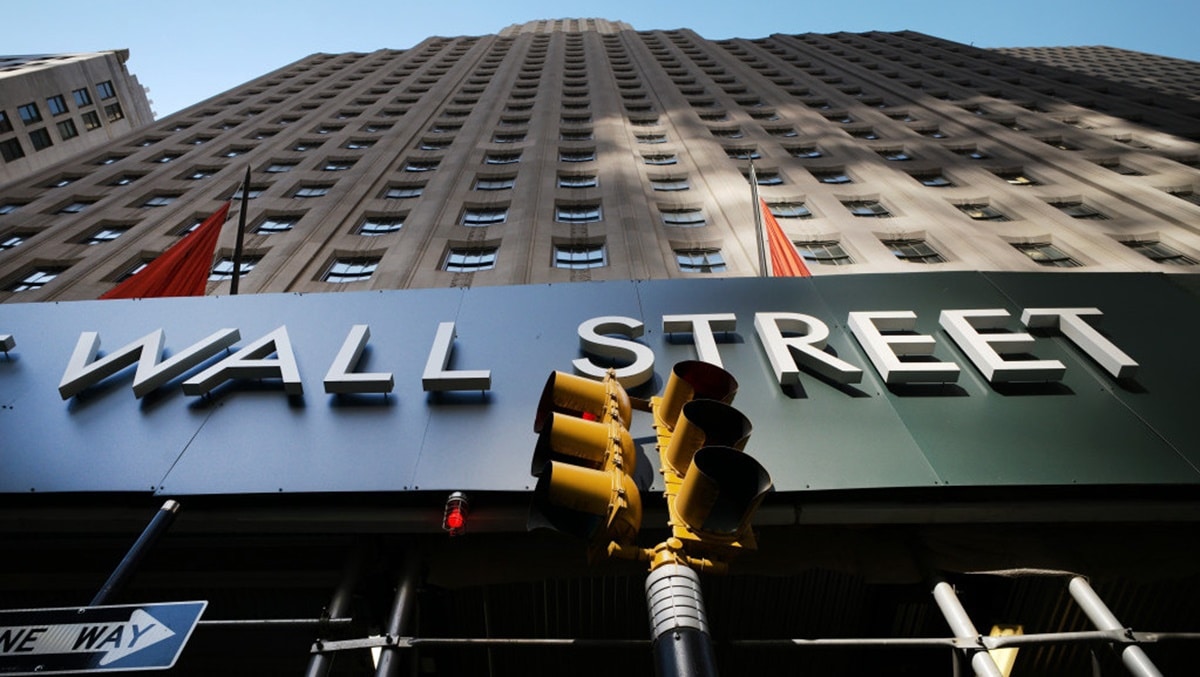
The Dow Jones Industrial Average fell on Wednesday as investors continued to monitor developments in the US-Iran war and oil prices.
The index of 30 shares fell by 289 points, or 0.6%. The S&P 500 was marginally lower, while the Nasdaq Composite held around stagnant.
West Texas Intermediate futures rose more than 4% to about $87 a barrel. Brent crude was also trading more than 4% higher at around $92 a barrel. This is even after the International Energy Agency (IEA) said it would release 400 million barrels of oil – the biggest ever release from its reserves – to deal with supply disruptions caused by the war.
The decision by the IEA “does not address other issues that will affect the global economy,” according to Ron Albahary, chief investment officer at Laird Norton Wetherby. He cited refined products that flow through the Strait of Hormuz, such as jet fuel, as one of the problems.
“I think the markets are struggling with that idea of what the exit point is at this point,” he told CNBC. “Both sides have entrenched themselves and it’s hard to see how this will have a positive effect on the other side in the short term.”
A protracted conflict could keep oil prices elevated. US forces on Tuesday sank several Iranian ships, including 16 minelayers, near the Strait of Hormuz as Tehran tried to mine a critical shipping route at the center of oil supply concerns.
The UK’s Merchant Marine also said on Wednesday that three cargo ships off the coast of Iran, one of which was in the Strait, had been hit by missiles.
This comes just days after President Donald Trump said earlier this week that the war would end “very quickly,” SEEbiz reports.
“Trump’s suggestion that the war may end soon, following an extraordinary rise in oil volatility, may mean his ‘pain threshold’ has been reached, in our view,” Emmanuel Cau, head of European equities strategy at Barclays, wrote in a note on Wednesday. “The longer the spike in oil prices lasts, the greater the risk of earnings and valuation declines.”
The consumer price index rose by 2.4% year-on-year in February. That was in line with the expectations of economists polled by Dow Jones. The report comes after signs of a weakening labor market have grown in recent months.
Oracle shares were the bright spot on Wednesday, jumping 9% after the software provider’s fiscal third-quarter earnings and revenue beat analysts’ expectations. The firm also raised its revenue forecast for fiscal 2027.