
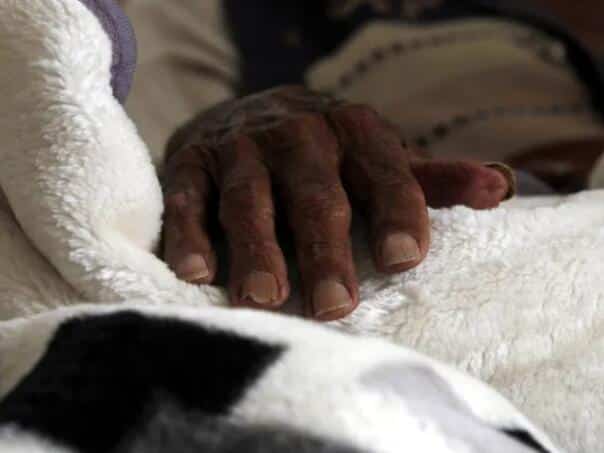
The outbreak was recorded between May 1 and 28, and spread to 139 communities in seven local areas, including Maiduguri and Jere. This is one of the most serious health crises in Born in recent years.
The executive secretary of the Borno State Health Insurance Agency, Saleh Abba-Kaza, said the first suspected cases were reported on May 1, while the outbreak was confirmed three days later. In the last 24 hours, more than 100 new cases were registered, and most of the sick were in Maiduguri and neighboring Jere.
The authorities have stepped up measures to prevent the spread of the disease. Medicines, medical equipment and hygiene materials were delivered to health institutions, while public information campaigns were launched. Chlorine tablets, disinfectants and other equipment to improve hygiene conditions were distributed in the affected communities.
Hospitals in Maiduguri and Jere are facing a heavy influx of patients. In some centers for the treatment of cholera, some of the patients receive treatment on the floor due to lack of space. Among the infected are a large number of women and children.
A resident of Shokari settlement, Abubakar Makah, said he lost his mother after she contracted vomiting and severe diarrhoea, symptoms characteristic of cholera. He added that several other members of his community were infected.
Health workers warn that part of the population still avoids going to health institutions. Experts link the outbreak of the epidemic to faulty water, poor sanitary conditions and overcrowded accommodation, especially in camps for internally displaced persons.
(Vijesti.ba)



Chat readers
Join the discussion