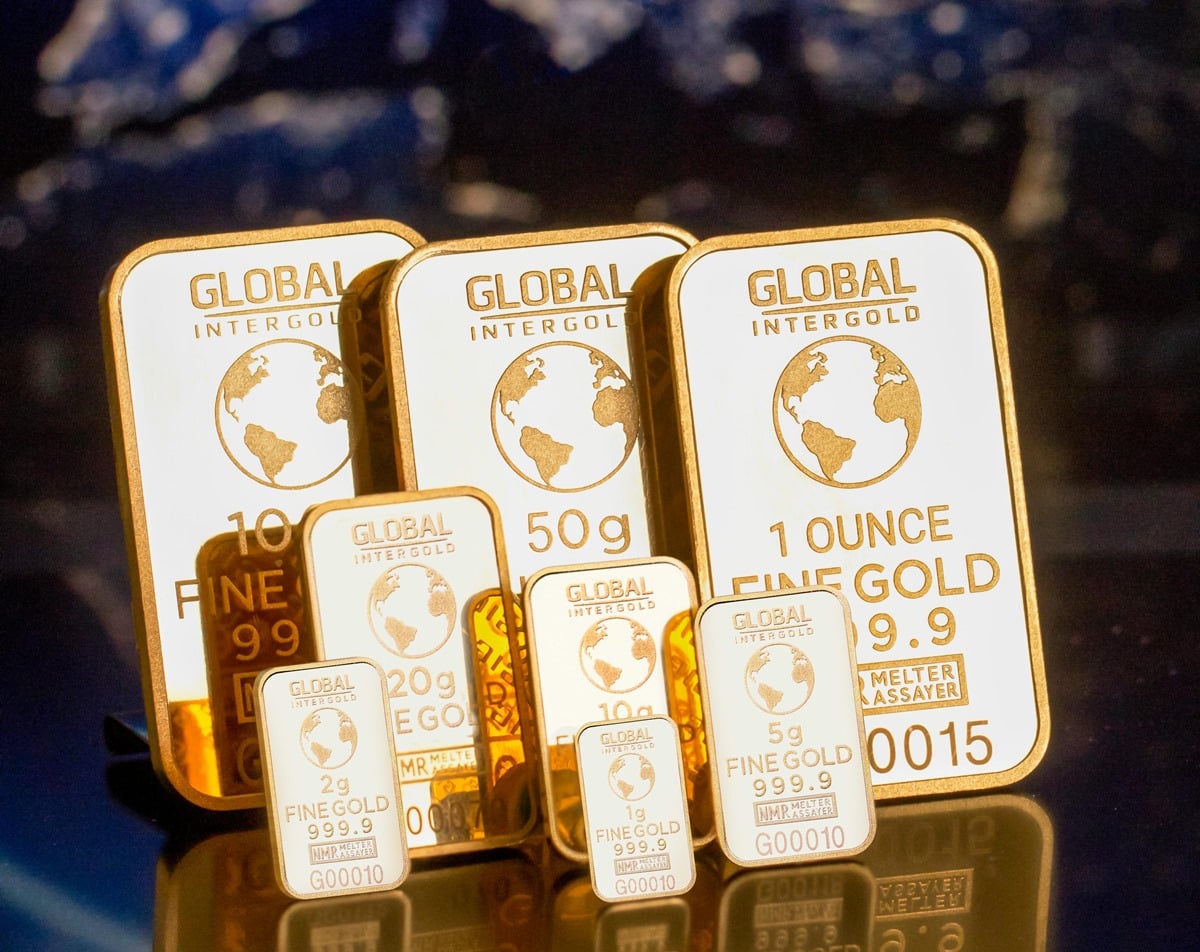
While the price of gold has been going through a period of oscillation in recent months, many financial analysts and the media are increasingly claiming that rising interest rates are bad news for gold investors.
However, the author of the analysis published on the “Gold Eagle” portal believes that mainstream financial commentators are missing two key facts that make their current story about the gold market incomplete.
According to that analysis, the dominant narrative in the market is based on the belief that the US Federal Reserve will keep interest rates high due to inflation caused by rising oil prices and geopolitical tensions, especially the conflict between the US and Iran. In such an environment, many argue that investors avoid gold because it does not earn interest like bonds or savings.
However, the author warns that the story ignores two very important factors – real interest rates and the growing problem of the American public debt.
Why do real interest rates change the picture?
The text explains that most financial commentators talk about nominal interest rates, i.e. figures that central banks officially publish. However, for investors, the so-called real interest rate, which shows the real return after deducting inflation, is much more important.
As an example, the US ten-year government bond with a yield of about 4.6 percent is cited, while inflation, according to official data, is close to 3.8 percent. This means that the real yield is only about 0.8 percent.
The author claims that such a minimal real return is not a sufficient reason for investors to completely abandon gold, especially in a situation where there is a possibility that inflation will increase further due to energy shocks and geopolitical crises.
The claim that real inflation is higher than official inflation
The analysis further notes that the official US CPI may not reflect the full rise in the cost of living. The author reminds that the inflation calculation methodology was changed in the nineties of the last century and claims that according to the older model inflation would be significantly higher today.
Should inflation actually reach or exceed five percent, real interest rates could turn negative, which, according to historical market rules, could further increase interest in gold as a “safe haven.”
Huge US debt could change Fed policy
The second major flaw the author sees in the dominant market narrative concerns the belief that the Federal Reserve will be able to keep interest rates high for long. In his opinion, the growth of the US public debt seriously limits the scope for such a policy.
As stated, the higher the interest rates, the higher the cost of servicing the US debt, which has already reached a historical record. That is why some analysts believe that sooner or later the FED will have to lower interest rates or resort to printing money again in order to stabilize the financial system.
In such a scenario, gold could once again become very attractive to investors seeking protection against a weakening dollar and inflation.
Central banks are still buying gold
The analysis also fits into the broader global trend of increased gold purchases by central banks. In recent years, countries such as China, India and Turkey have significantly increased their gold reserves while reducing their dependence on the US dollar.
The World Gold Council earlier announced that central banks have been buying record amounts of gold over the past few years, which many economists see as a sign of growing concern about global financial instability.
Gold continues to divide analysts
Although many mainstream financial experts continue to view high interest rates as negative for gold, a growing number of analysts are warning that the market may be underestimating the long-term risks associated with inflation, geopolitical tensions and the huge debts of major economies.
That is why the discussion about the role of gold in the modern economy is once again in the center of attention of investors around the world.