
In Antalye in southern Turkey, the sea temperature reaches almost 32 degrees on the surface, while as much as 29 degrees is measured at a depth of 30 meters. Two decades ago, summer temperatures ranged about 25 degrees.
The warmer sea opened a biological passage through the Suecke channel, which arrives hundreds of new species from the Red Sea every year. Scientists warn that the Mediterranean is one of the sea that warms the fastest on the planet, and this summer recorded the warmest June and July since there were measurements.
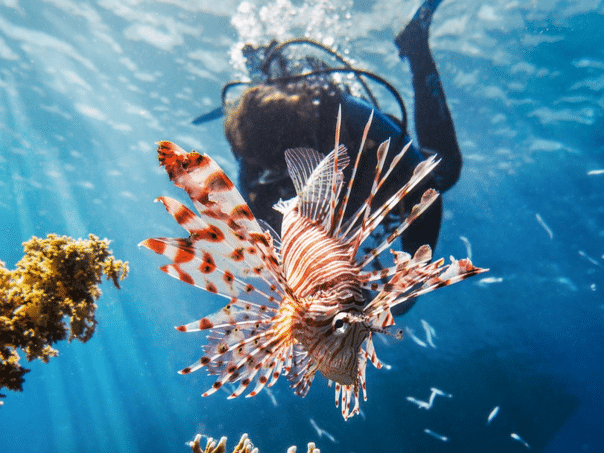
Among the most invalid newcomers is liars fish (Pterois Miles). About ten years ago, it was only seen occasionally, while today the dones in one tour can also count on 20 copies. With their long spines and strong appetite, liars fish ruthlessly thinning the populations of smaller species, such as heads, which almost disappeared from local ridges.
“In the red sea of liars fish have natural enemies – sharks and barracudes. There are no of them and their population grows from year to year,” warns the Diving Instructor Murat Draman.
Experts point out that the situation is in the eastern Mediterranean warning for the entire pool. Invasive species have already reached Malta, and research predicts that by the end of centuries, the entire Mediterranean could take on tropical characteristics.
The solution see in a double approach: emergency measures to protect local ecosystems from switching, pollution and uncontrolled spread of new species, and long-term reduction in greenhouse gas emissions.
The message of scientists and divers is clear – the Mediterranean is changing rapidly, and what happens in its east today, the north and western part of the sea is waiting in the coming decades.
(Vijesti.ba)


