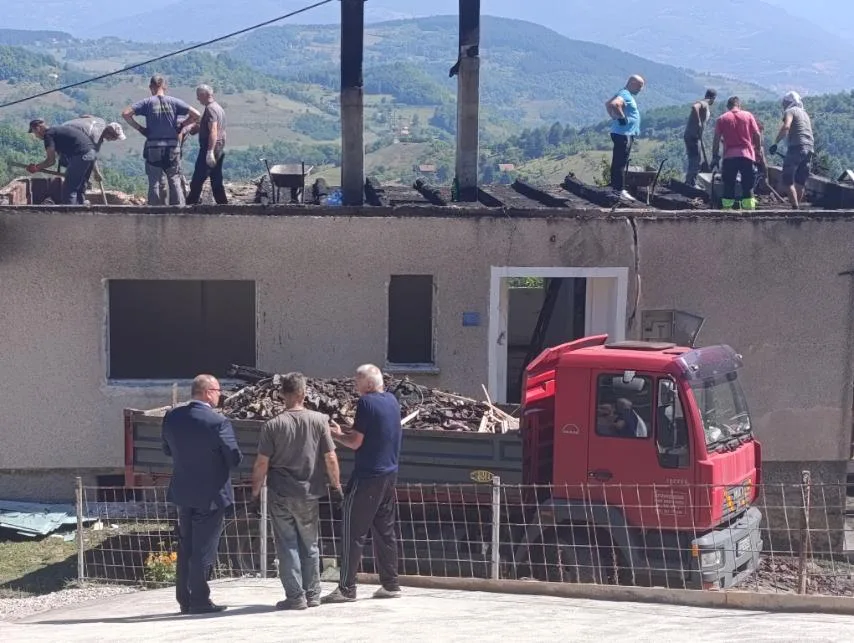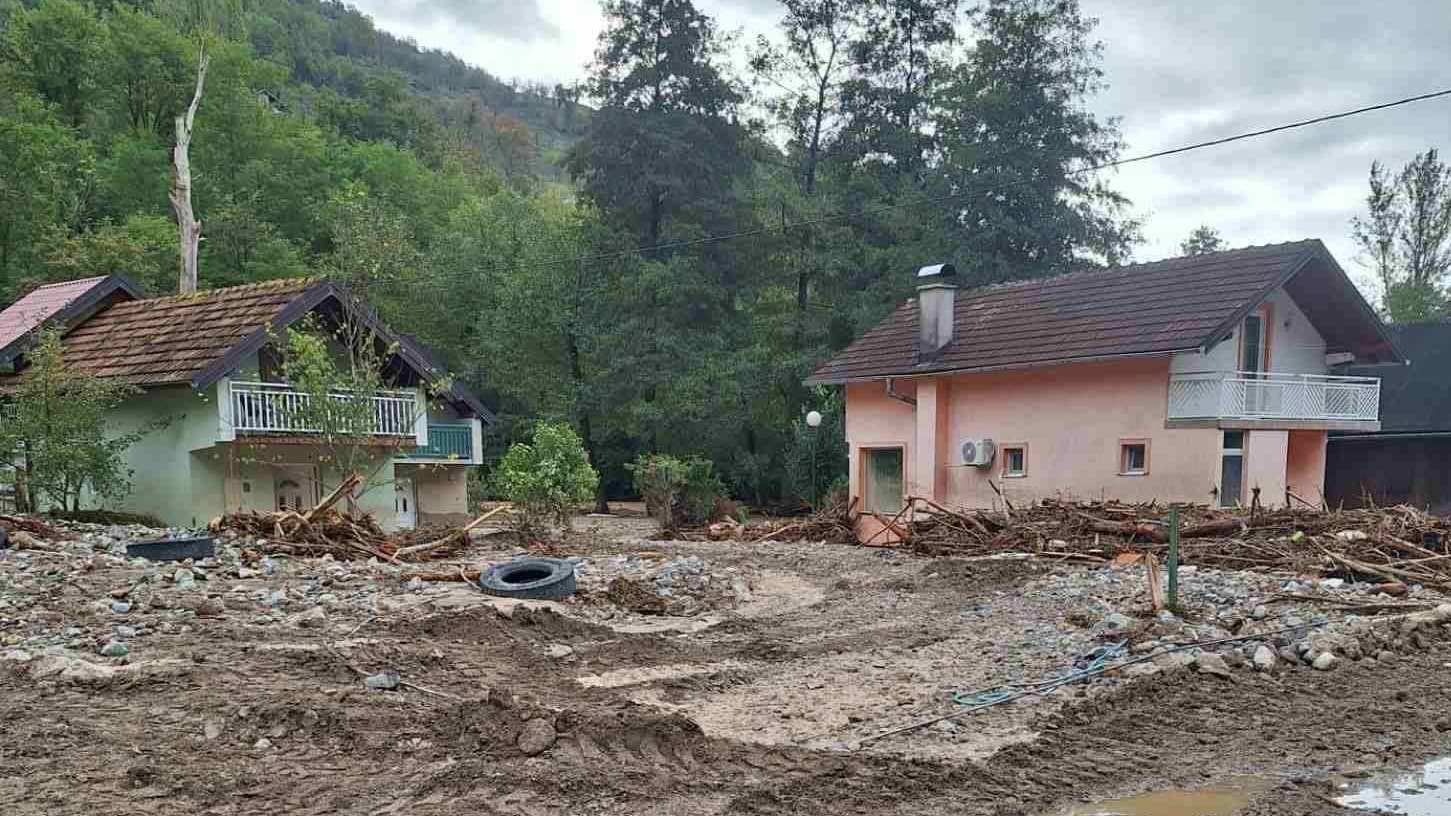
13 people died in the fire at the Retirement Home in Tuzla, 19 people died after the floods in Jablanica in 2024, and 27 in the whole country. Both tragedies were followed by messages about the need for an investigation, pointing out that these are “systemic problems”, but what does that really mean?
When a tragedy occurs in Bosnia and Herzegovina, regardless of its causes and consequences, statements are heard from political officials and analysts that sound as if they were composed by artificial intelligence. There is talk of “systemic problems”, “the last warning for society”, but also a “thorough investigation that will determine the responsibility of everyone” is promised.
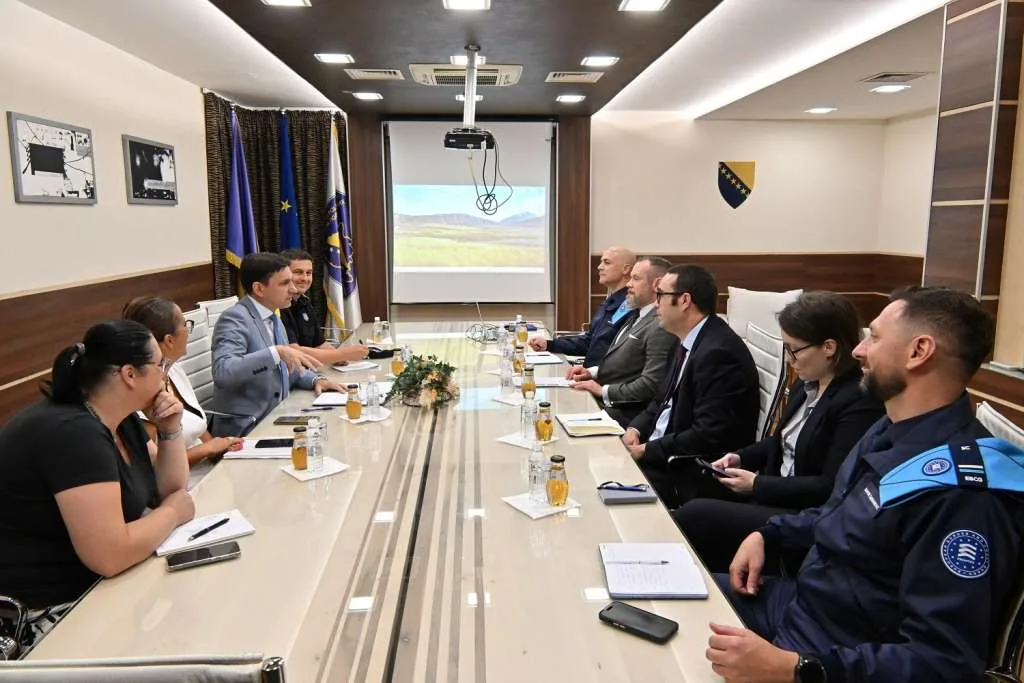
As an example, not the only one, but a prominent one, the statement of the Prime Minister of the Government of the Federation of Bosnia and Herzegovina, Nermin Nikšić, can be singled out. Nikšić announced that a FBiH Government team will be formed that will visit the institutions and establishments under the jurisdiction of the FBiH, and will request the same from the cantonal and competent authorities.
It is true that the Government of the Federation was not responsible for the Retirement Home in Tuzla, but the fact is whether a tragedy was needed to announce the “formation of a team”, which will visit institutions and establishments.
On the other hand, one of the key questions that appeared in the public after the accident was why and how people with disabilities were on high floors, which must have made their rescue, but also their daily life, difficult.
To a journalist’s question, the mayor of Tuzla, Zijad Lugavić, said that the decision on the schedule was made by the House, and that measures will be implemented against all those found responsible. True, the mayor probably had no role in making the deployment, but the fact that measures will be implemented against those responsible sounds like a commonplace because isn’t it quite normal that someone is responsible for the tragic death of 11 people.
The problem lies in the fact that after every tragedy there is a lot of talk about responsibility, but rarely are those responsible really found, and the public does not see that it actually happens. After the death of 19 people in Jablanica, which occurred due to a landslide caused by an illegal quarry, no charges have yet been filed.
Also, the public is not convinced that the competent inspections throughout the Federation of Bosnia and Herzegovina have really dealt with illegal quarries or forest cutting and that it is really safer to live now.
After every tragedy involving murders, traffic accidents due to reckless driving, systemic measures are discussed for a few days, but year after year there is no significant reduction in the number of murders or the number of deaths due to reckless driving.
The established practice is the promise that an investigation will be carried out, that those responsible will be punished and that there is a systemic problem in society. What is missing is for someone to identify that systemic problem apart from the general place and to really “systemically” approach the solution of the problem and inform the public that the problem has been solved. Otherwise, in this way, the state remains a “society of common places” until the next tragedy that will send the “last warning” that something “doesn’t work”, he writes. Klix.