
Thousands of people across Europe in 2024 have been given a new chance at life thanks to Eurotransplant, a system that connects eight countries in a common mission of solidarity, trust and medical excellence.
Austria, Belgium, Croatia, Germany, Hungary, Luxembourg, the Netherlands and Slovenia together form a network that saves lives every day by coordinating the donation and distribution of organs between its members.
According to Eurotransplant’s annual report, more than 7,000 organs were transplanted in 2024, with a continuous increase in the number of donors and successful transplants. Thanks to the generosity of deceased donors, 3223 kidneys, 1741 livers, 1336 lungs, 698 hearts, 155 pancreases and 7 intestines were transplanted.
In addition to DBD donors (donors after confirmed brain death), an increasing contribution is made by the so-called DCD donors, i.e. people who donate organs after the heart stops working. In 2024 alone, there were 449 of them, the most in Austria, Belgium and the Netherlands.
Although progress has been made, there are still more than 14,000 patients on waiting lists hoping for a new life. In this fight against time, Eurotransplant proved how cross-border solidarity and transparent cooperation can change destinies.
In the past year, BiH made an important step towards joining this prestigious network. The Ministry of Civil Affairs of Bosnia and Herzegovina, with the support of the competent entity ministries of health, sent a letter of intent to Eurotransplant, which restarted the accession process after almost 14 years of stagnation, and Bosnia and Herzegovina participated for the first time in the annual assembly of Eurotransplant, where it was officially presented as a potential member.
The Ministry of Civil Affairs of Bosnia and Herzegovina organized the Second Conference on the occasion of the European Organ Donation Day, which confirmed the continued commitment to the improvement of transplantation medicine. As part of the technical assistance of the European Commission, the Ministry launched two TAIEX technical assistance instruments of the European Commission, and a request for a third was sent.
Both expert missions clearly emphasized that BiH has medical knowledge and teams, but that it is necessary to establish a systematic, coordinated and sustainable approach, especially in the development of cadaveric transplants.
Religious communities also recognized the importance of this process.
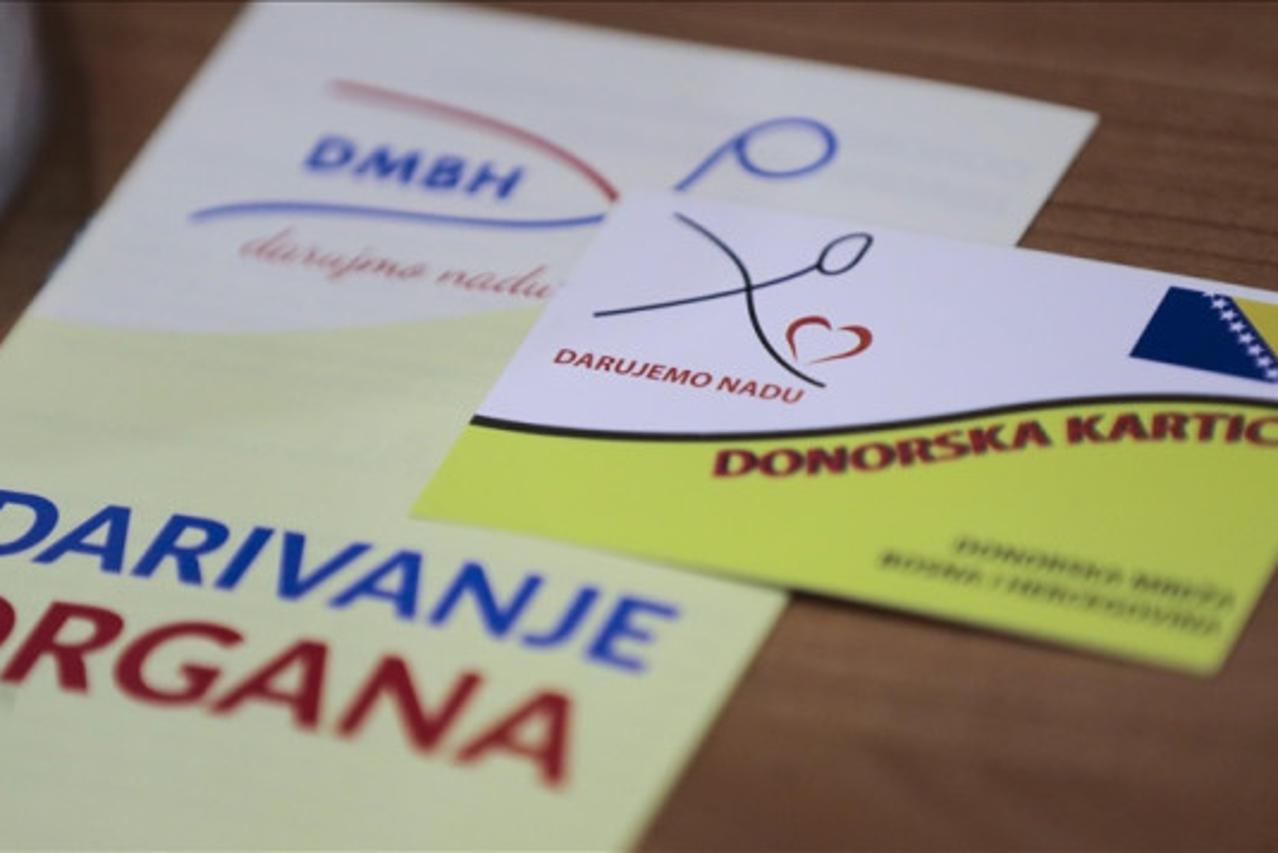
Archbishop of Vrhbosnia Tomo Vukšić and reis-ul-ulema of the Islamic Community in Bosnia and Herzegovina Dr. Hussein ef. Kavazović signed the donor cards, thereby sending a clear message that organ donation is not contrary to religion, but is one of the highest principles of humanity, compassion and solidarity, writes Večernji.ba


