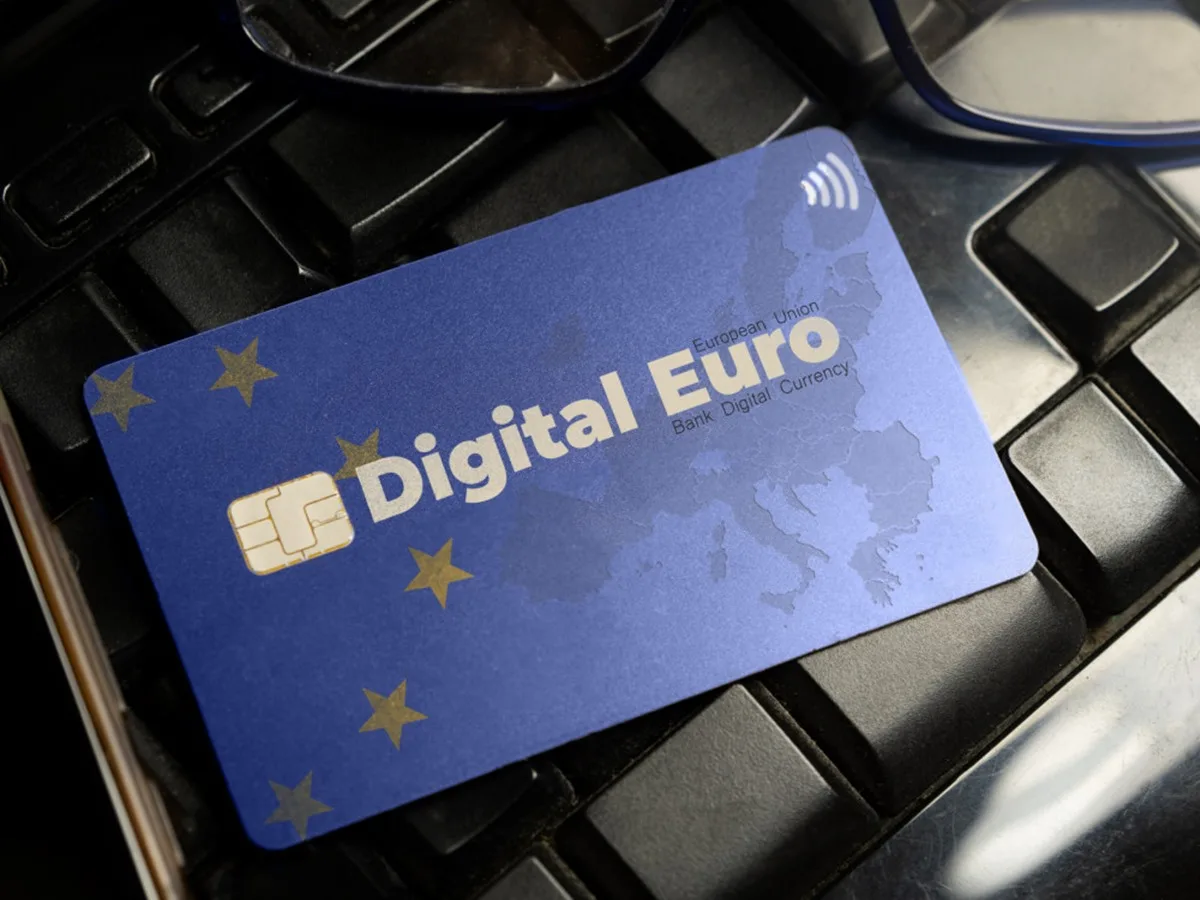
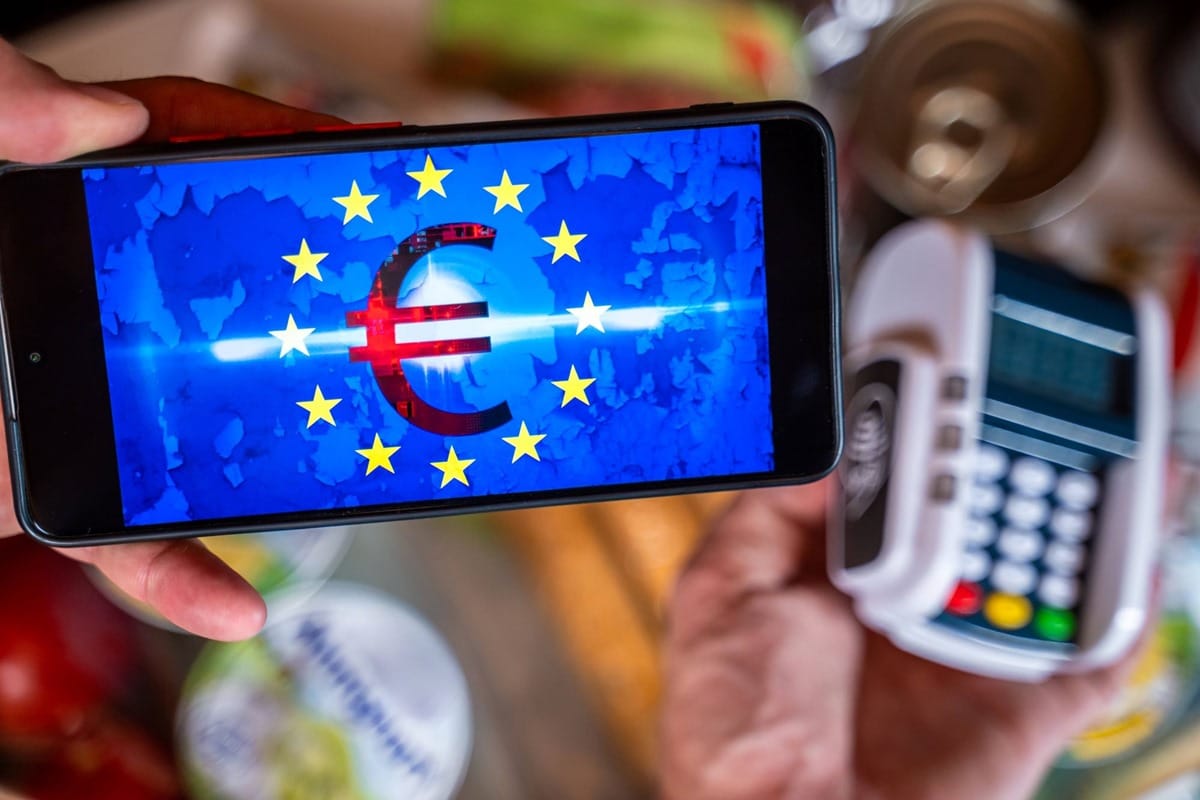
The European Central Bank is preparing its own digital currency, which is supposed to reduce dependence on American systems, but is causing concern for banks.
The digital euro, which has been in preparation for years, is slowly entering its final phase. This currency, which will be issued directly by the European Central Bank (ECB), is a response to the increasing digitization of payments and the disappearance of cash. However, her arrival causes mixed reactions.
What is the digital euro and why is it being introduced?
The digital euro has been in the works for several years, and its official launch is approaching. Basically, it is money that will be issued directly by the European Central Bank (ECB), but in digital form.
Namely, when you pay by card or bank transfer today, the money that circulates is commercial currency issued by private banks.
In Europe, almost all card payments go through Visa or Mastercard, two American companies. In the current geopolitical situation, this dependence represents a real risk.
In addition, the digital euro should allow the ECB to maintain control over monetary policy in day-to-day transactions, at a time when more and more private players are entering the stablecoin space.
The disappearance of cash and the new reality
Cash is the only form of public money available to everyone, and the digital euro would be a way to maintain that option in a dematerialized world.
Although for now it seems that the arrival of the digital euro is still far away, the European Union (EU) is quietly preparing for it. Last month, the European Parliament, which until now has been the main obstacle to the project, adopted two amendments favorable to this currency.
This vote has no legal force, but it marks a clear political turn.
How it will affect citizens and companies
When introduced, the digital euro will be felt by both consumers and professionals.
On the one hand, there will no longer be a need to withdraw cash, and on the other, companies will experience a transformation of their financial operations.
For example, a restaurant owner could receive payments instantly and without card usage fees. This is what European institutions promise, but the story is more complex.
Banks warn of the consequences
On the other hand, banks are strongly opposed. And this is not surprising: the digital euro directly threatens their business model.
If individuals can hold money in the digital euro issued by the ECB, the need for traditional bank accounts could be reduced, reports Bankar.me.