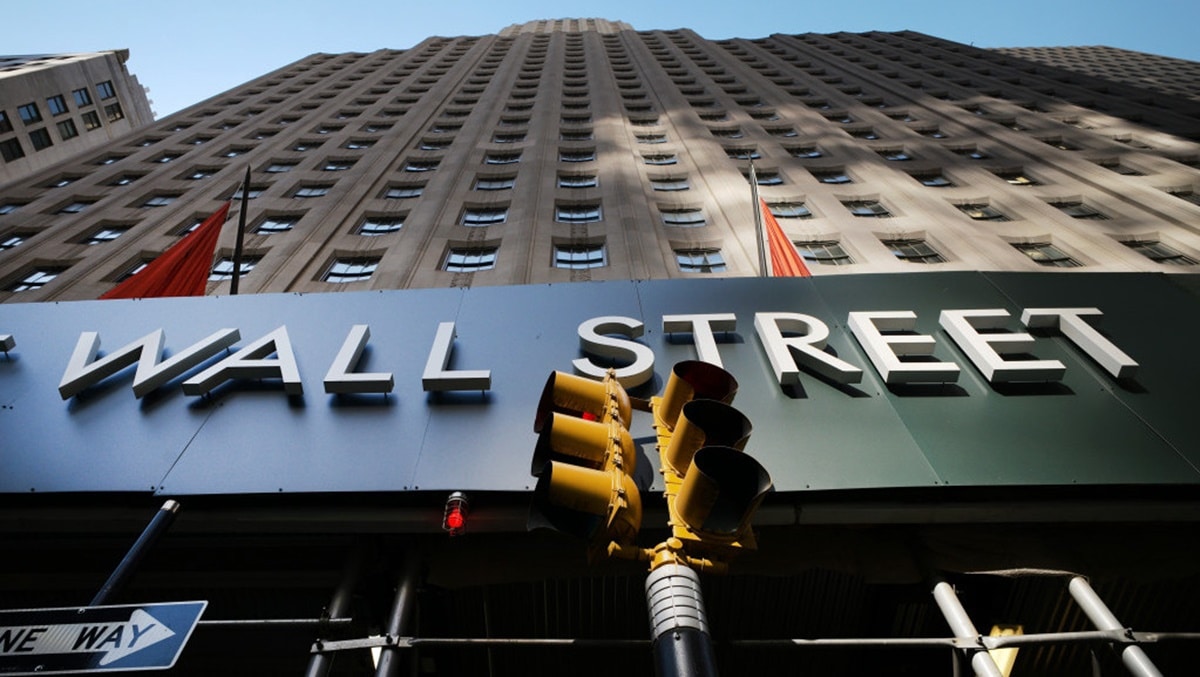
Within a month, Wall Street’s biggest banks have left one of the most popular clubs in global finance.
The Net-Zero Banking Alliance (NZBA) — a group dedicated to helping lenders reduce their carbon emissions — was quickly abandoned by Goldman Sachs, Wells Fargo, Citigroup, Bank of America and Morgan Stanley. JPMorgan Chase, America’s largest bank, appears to be next in line.
These moves reflect the desire of US banks to protect themselves from increasing political pressure as Donald Trump returns to the White House, according to people familiar with the matter who asked not to be named, Bloomberg reported, citing Investor.me.
And the NZBA is preparing for more exits, secretariat secretary Sara Kemit told members in a Dec. 31 letter seen by Bloomberg. She cited the “political environment” as the reason for leaving.
At the same time, the impact of NZBA defection in the real world is unclear. Banks have collectively stepped up their financing of the fossil fuel industry since the alliance was formed in 2021, according to data compiled by Bloomberg.
An NZBA spokesman declined to comment on the departures.
Environmental activists are demanding that the government intervene to target Wall Street. Environmental Advocates NY, a non-profit organization, called on New York state officials to introduce regulations and laws that would force banks operating in the world’s largest financial center to take climate action.
The wave of exits from the NZBA follows behind-the-scenes tensions that have been brewing for more than two years, Bloomberg reporting showed. In 2022, JPMorgan and Morgan Stanley were among the banks that opposed binding climate finance targets. The NZBA then relaxed some of the requirements, and members did not protest. But as the Republican Party turns hostile toward climate organizations, the financial industry is repositioning itself.
“Worrying but not surprising”
Global temperatures are rising rapidly, but banks continue to reap short-term profits by clinging to fossil fuel producers. So it’s both “worrying and not surprising” that Wall Street is turning back to net-zero alliances, said Ken Packer, who teaches sustainability at the Fletcher School at Tufts University in Medford, Massachusetts.
Alliances were created to encourage the financial industry to consider the long-term costs of supporting oil, gas and coal.
Back in 2021, when the NZBA was formed, the banks that have now left the alliance were proud of their membership and publicly boasted. BofA CEO Brian Moynihan spoke of a “commitment to net zero” in his role as co-chair of the Sustainable Markets Initiative, whose stated mission is to “build a coordinated global effort” to help green the private sector.
And in an April 2021 statement, the world’s largest climate finance coalition — the Glasgow Net Zero Finance Alliance — said it would “require signatories to set interim and long-term targets aligned with science to reach net zero by 2050 at the latest.”
All banks leaving the NZBA have made public statements that they continue to recognize decarbonisation as a business goal. But they have also made it clear that their highest duty is to serve the needs of their clients. No one gave an official reason for leaving the alliance.