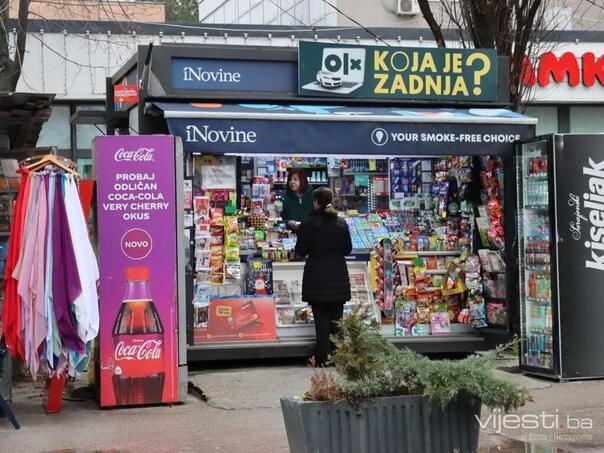
While across the city, hundreds of business premises are gaping empty, owned by municipalities, public companies or privately owned, meanwhile parks, sidewalks and other public areas are transformed into improvised shopping zones.
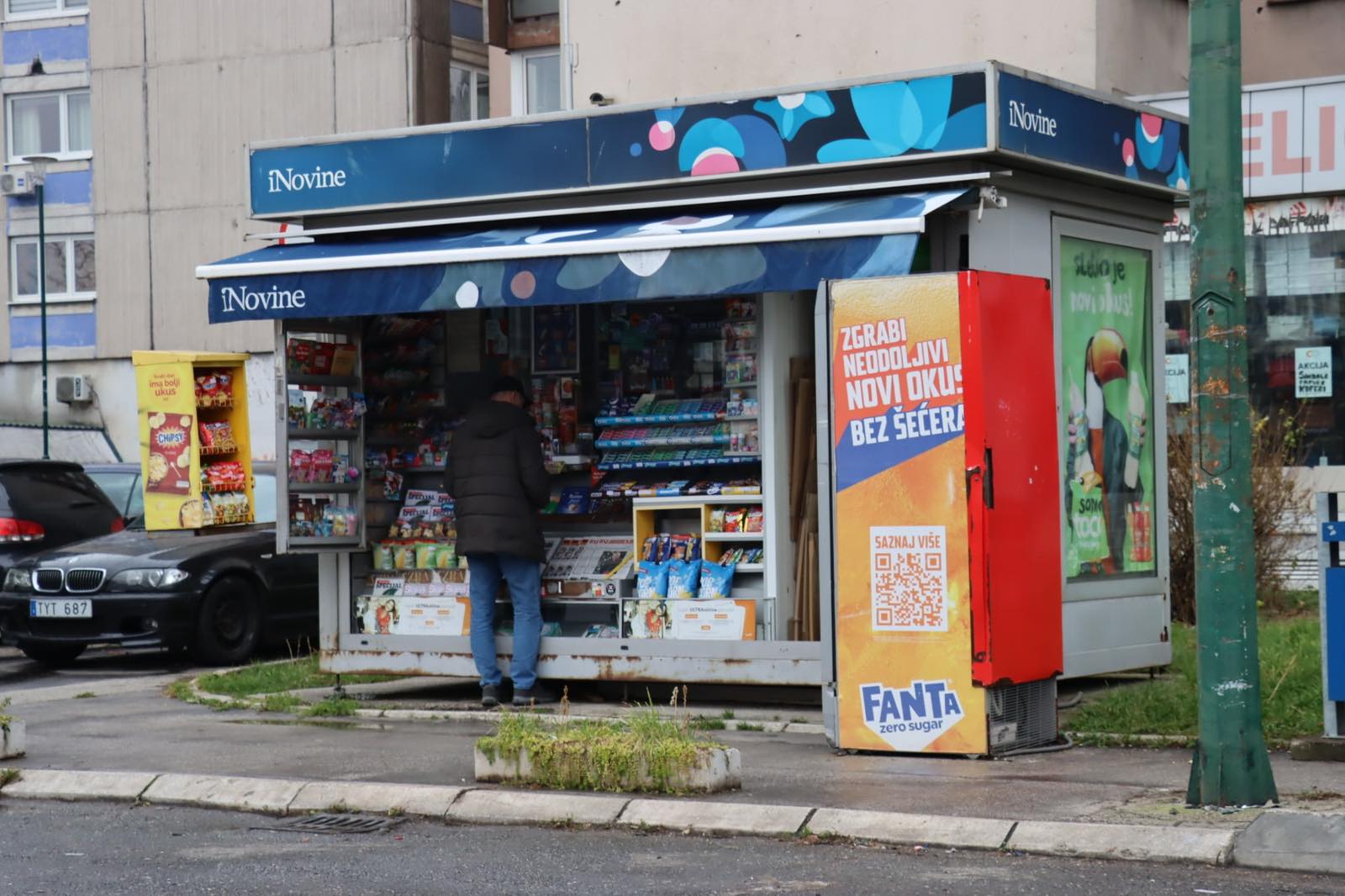
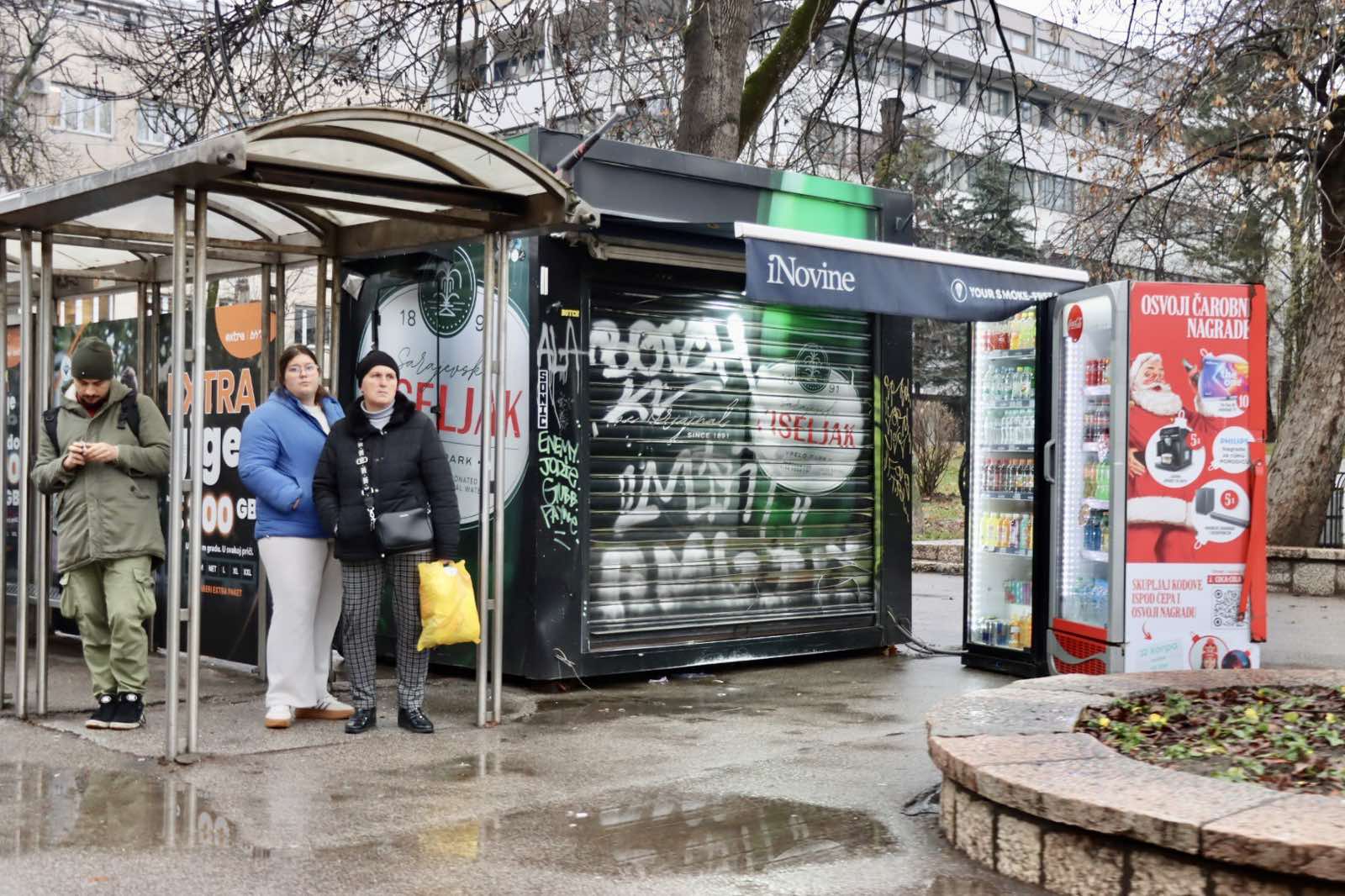
Kiosks are springing up almost everywhere. In front of schools, on narrow sidewalks, along roads and in parks, across the street from the highest state institutions, often where they have absolutely no place urbanistically, functionally and aesthetically.
Instead of activating, renovating and putting the existing business premises into the function of the local economy, the city space is further fragmented by temporary buildings that quickly cease to be “temporary” in practice. They become a permanent symbol of disorder, neglect and carelessness, often overgrown with graffiti, improvised additions and visual chaos.
The result is a complete paradox, on the one hand, locked shops, empty windows and dead streets, and on the other hand, congested sidewalks and the degradation of public space that should belong to everyone, and not be subject to easy administrative concession.
The formal framework for this state of affairs can be found in the Law on Amendments to the Law on Temporary Use of Public Areas of Sarajevo Canton, which defines a kiosk as an assembly-dismantling facility, with urban-technical conditions prescribed by the elaboration. The law stipulates that the City shall issue a report on the locations of kiosks, but with the consent of the municipal councils.
On paper, a control and coordination mechanism. In practice, the classic transfer of responsibility between levels of government, in which no one is essentially responsible for the end result.
The key problem arises the moment kiosks become a substitute for serious urban politics. Instead of encouraging the leasing of empty business premises, encouraging small and medium-sized entrepreneurs to enter existing buildings and revive city streets, an easier way is chosen, the allocation of public space, without a serious analysis of the long-term consequences.
That is why key questions arise that municipal authorities must answer, first of all, to themselves.
How many business premises in the territory of each municipality, for which all the necessary permits have been issued, are currently gaping empty? In the same period, how many permits were issued for setting up kiosks and newsstands on public areas? Do the municipalities have accurate economic analyzes that show how much the budget is filled by business premises through rents, taxes, contributions and employment, and how much is done by kiosks? Has anyone calculated the actual fiscal effect of the “kiosk economy” compared to classic business facilities? There is also the question of legality in places where regulatory plans have been adopted, and kiosks are not planned, but are added later, beyond the plan?
The city is built with a plan and a clear understanding that public space is a resource, not a training ground for improvisation.
(Vijesti.ba)