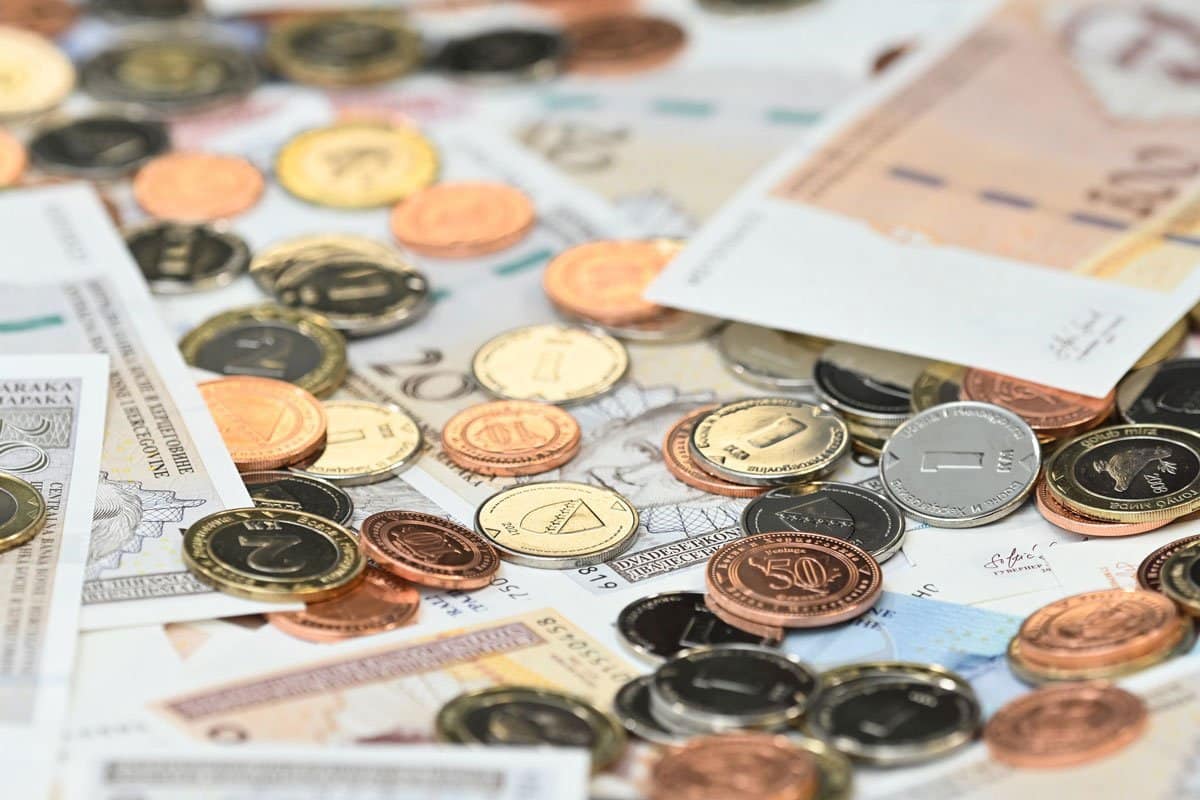
The lowest net salary in Republika Srpska next year for unqualified workers will be 1,000 KM, while the lowest salary for a higher education will be 1,450 KM.
It is expected that the Federal Government will make a decision on the minimum wage for 2026 by the end of the year. Wages are increasing, but for the majority of citizens, this does not mean an increase in standards. On the contrary, when it comes to purchasing power, due to inflation and enormous price increases, it has drastically decreased, he states. BHRT.
Due to the daily increase in the prices of basic foodstuffs and the cost of living, the increase in wages is almost not felt. Despite nominally higher earnings, it is increasingly difficult for most citizens to survive from first to first. Simply put, any wage increase is eaten up by inflation.
The percentage of inflation varies by segment, but the total inflation for the period January-July 2025, compared to 2021, is 27.55 percent.
The prices of basic foodstuffs have risen significantly since last summer. The prices of coffee, meat and oil rose the most. Certain foods are twice as expensive compared to 2020.
A kilogram of coffee in July last year cost 19.50 KM, and now it is even 30 marks. A liter of oil costs about 3.35 KM, which is an increase of 77 pfennigs. Last year, a kilogram of boneless beef was about 18, and now it is sold for 27 marks.
Although they welcome every increase in salaries and pensions, the citizens do not think that they live better than before.
Put an end to price increases
Trade unionists say that price control must be a priority for governments in addition to salary increases.
“Some things are not normal for certain products to be five or six or seven times larger than they are in production, and that surely has to be put to an end in some way. It is not possible that certain products cost more in the Republic of Srpska than in the countries of Western Europe, and we know that there is really no basis for that,” warns the president of the Union of Trade Unions of the RS, Goran Stanković.
The Consumer Protection Association “Don” from Prijedor says that it seems to them that the authorities have given up trying to control prices and inflation.
“It seems to us that there is no longer the will to do something to stop the rampant prices and to stop the inflation that exists in Bosnia and Herzegovina. We keep saying that it has decreased, however, here the indicators are not such as to indicate that inflation has decreased by any percentage, but we also have an increase in utility services, and we also have an increase in the union basket”, says the director of the Association, Murisa Marić.
Surviving with three to five KM a day
Although it is said that the goal of the wage increase is to amortize inflation and price growth, according to economist Zoran Pavlović, it is in fact the result of pressure on employers who lose workers if they do not pay them more. Instead of increasing, the standard of citizens is decreasing.
“We are living worse because the increase in the minimum wage implied an increase in payments for pension and health funds, it burdened anyone who sells their service or goods. So for us, as customers who may have received some increase in wages, the increase in costs will be greater than the increase in wages,” says Pavlović.
Salaries are getting higher and the household budget is getting smaller. In the shortest possible way, the effect of increasing wages in Bosnia and Herzegovina, a country where, according to United Nations estimates, about 17 percent of our fellow citizens live in extreme poverty, surviving on 3 to 5 marks a day, while about twenty percent of the population lives on the edge of poverty.