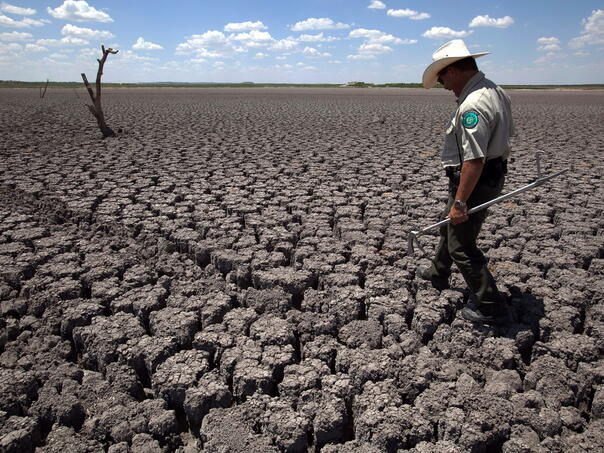
The Commission states that the European Region records increasingly, more and more intense and deadly heat waves. The consequences are often hidden in statistics under the causes such as heart attacks or strokes or respiratory problems, but the cause is, they say, clear. Either elders, people with disabilities, pregnant women, small children, external workers and those who live in poorly isolated apartments are.
The thermal mortality in the last two decades increased by 30 percent, and only 2022. and 2023. in 35 European countries, more than 100 thousand deaths related to heat were recorded. June 2025. He was hottest ever recorded in Western Europe, and two strong heat waves arrived even before the highlight of the summer. Climate change, warns, wider and diseases that were once rare – cases of the locally transmitted Denga virus in the EU / EEA increased 368 percent between 2022. And 2024.
Thermal waves cause sudden growth of patient reception, especially with cardiovascular, respiratory and renal problems. Mental health was also affected – the dream is worse, anxiety grows, and the cognitive functions weak. People with mental illness are especially vulnerable because some medications make it difficult to regulate body temperature. At the same time, health workers are exposed to exhaustion and overheating, and cooling systems and information infrastructure in hospitals often cancel.
The Commission emphasizes that the plans of action in the case of extreme heat rescue lives and that they should be performed urgently, not only in a few years.
Air pollution per year in the European region causes more than half a million early deaths, mostly due to combustion of fossil fuels. Emission reductions means cleaner air and less deaths – globally could be saved more than 5 million lives.
Increasing green areas in cities reduces heat exposure, improves mental health and reduces energy bills. It is estimated that increasing urban greenery by 30 percent could reduce heat mortality and up to 40 percent.
The Commission says that such measures are smart investments and calls for redefining economic indicators in order to in the center health, well-being, righteousness and sustainability.
“We cannot outsource-nor your health planet. They are both invaluable and both are endangered,” says the letter signed by 14 members of the Commission, including former international experts, index.hr.
The Pan-European Commission convened the Regional Director of WHO for Europe, dr. Hans Henri P. Kluge, with the aim of gathering a climate and health experts from the entire region to propose brave solutions.
Letter signed:
- Katrín Jakobsdóttir, former Prime Minister Iceland, President of the Pan-European Climate Commission and Health
- Andrew Haines, Chief Scientific Adviser
- Majlinda Brego, former General Secretary of the Regional Cooperation Council
- Hans Bruynnickx, former executive director of the European Environment Agency
- Sandrine Dixson-Declève, Honorary President of the Rome Club, Executive President Earth4all
- Omnia El Omrani, Climate change and Health Policy Associate, Imperial College London
- Enrico Giovannini, Former Minister of Infrastructure and Sustainable Mobility, Italy
- Khatuna Gogaladze, Former Minister of Environmental and Natural Resources, Georgia
- Connie Hedegaard, former EU trustee for climate action
- Ernst Kuipers, Former Minister of Health, Social Care and Sports, Netherlands
- Karl Lauterbach, former Minister of Health, Germany
- Sulton Rahimzoda, President of the State Investment Committee and State Property Management, Tajikistan
- Hülya Şirin, Associate Professor, University of Health Sciences, Turkey
(Vijesti.ba)