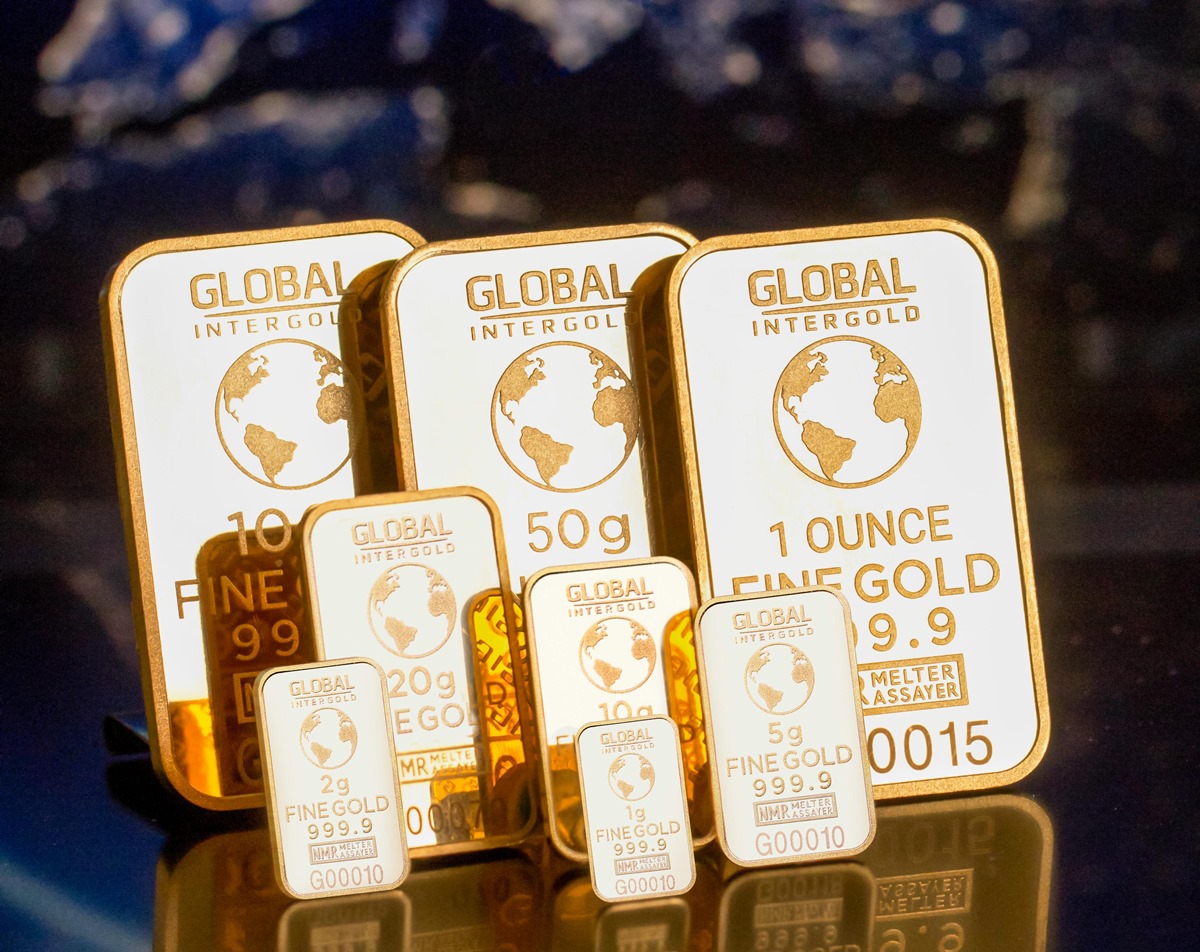
The price of gold was on course for a third straight weekly decline, as a more hawkish tone from the US central bank and expectations of further interest rate hikes outweighed the positive effect of an interim peace deal between the US and Iran.
Gold fell more than two percent to around $4,122 an ounce on Friday after new US Fed Chairman Kevin Warsh took a tougher stance on inflation and monetary policy. Such a signal increased expectations that the Fed could further tighten monetary policy this year.
Higher interest rates tend to put pressure on gold because the precious metal bears no interest. When bond yields and the dollar strengthen, investing in gold becomes relatively less attractive.
At the same time, part of the geopolitical pressure was reduced after commercial shipping began to return to the Strait of Hormuz, following the American announcement of the end of the blockade. This alleviated fears of a long-term disruption in energy supply.
However, inflationary risks have not completely disappeared. Analysts warn that it could take several months before the flow of oil and liquid natural gas through that important sea route returns to previous levels, reports Financije.hr.
Christopher Wong, strategist at Oversea-Chinese Banking Corp., said the reopening of the Strait of Hormuz is positive for gold, but that the effect is currently being offset by expectations of a tighter Fed monetary policy. Historically, gold often lags in the period leading up to the first interest rate hike.
He added, however, that it remains unclear whether this is only a preventive increase in interest rates or the beginning of a new cycle of tightening. If it turns out that the Fed is not embarking on a longer rate hike cycle, gold could regain its appeal.
Gold was down 1.6 percent at $4,144.58 an ounce at midday Singapore time. Silver fell 2.4 percent, while platinum and palladium also fell. The Bloomberg Dollar Index rose slightly and was on track for a weekly gain.