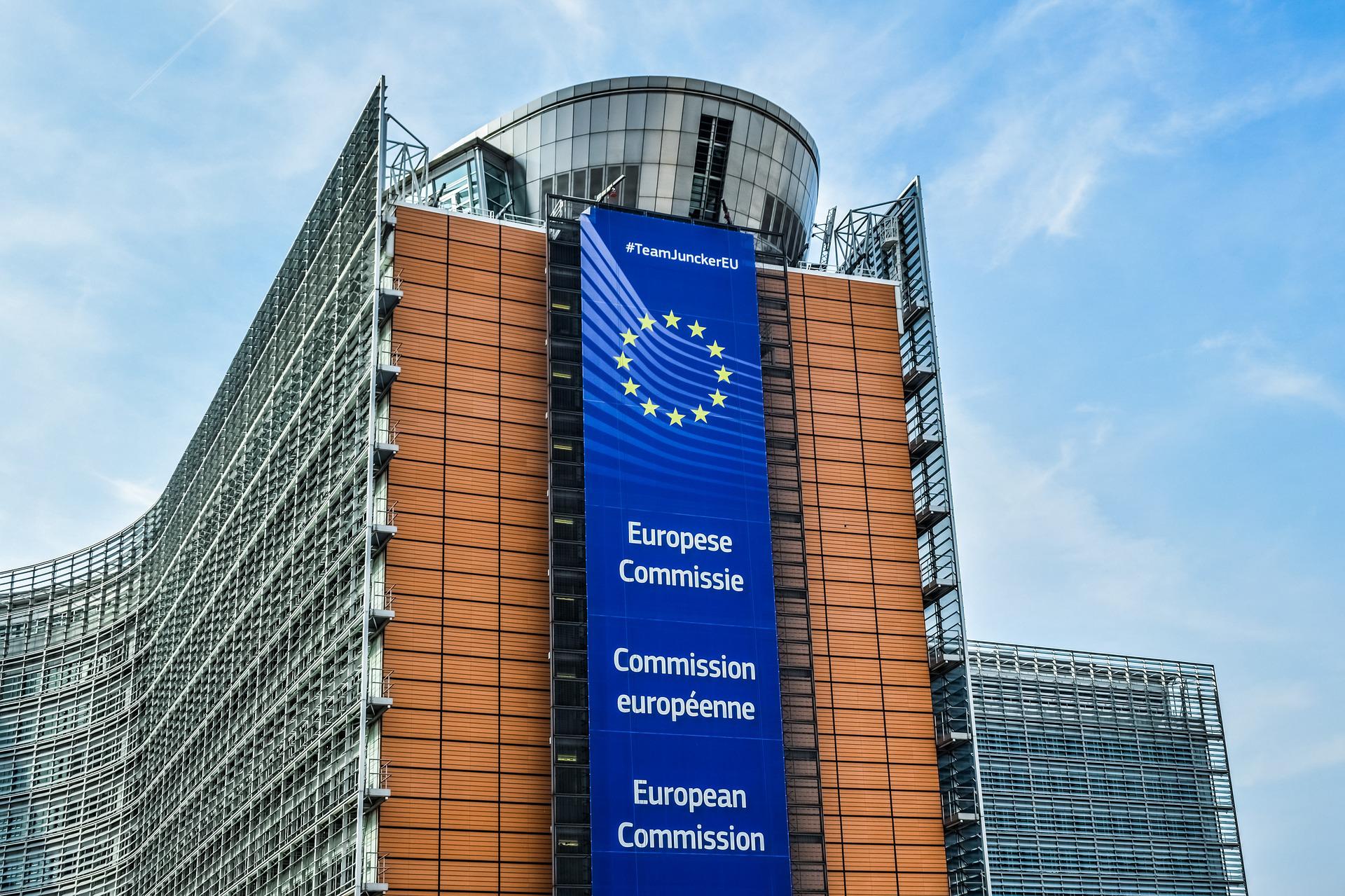
The European Union is increasingly frustrated with Bosnia and Herzegovina, which is especially evident in the latest report of the European Commission on the progress of Bosnia and Herzegovina, in which it is openly stated that Brussels is not satisfied with the work of the authorities in Bosnia and Herzegovina.
“The authorities are increasingly unsatisfactory. Members of the Presidency express conflicting views. The functioning of the Council of Ministers has deteriorated due to the breakup of the ruling coalition, and the new Minister of Security has not yet been appointed. The executive branch has little capacity for coordination and policy planning. Independent institutions are weak. All levels of government show signs of a state captured by politics, which directly affects the daily life of citizens. The Republika Srpska entity should fully recognize and implement the decisions of the Constitutional Court of BiH and quickly appoint judges to the two vacant positions in to the Constitutional Court”, it was stated.
Bearing in mind that these reports are written with chosen words, it is clear to anyone who has read them for years that the report for Bosnia and Herzegovina was formulated to clearly express frustration and disappointment.
This is especially because people from the Commission, as well as the EU Delegation in Sarajevo, assured the member countries in the European Council that BiH should enable further steps in European integration, because the politicians in BiH promised them that they would initiate reforms if they were granted candidate status and the conditional start of negotiations, which Brussels respected.
A diplomat from one of the member states recently told us at a meeting that some representatives of the Commission invested their personal integrity in Brussels, so that positive moves from Brussels would not motivate the local authorities to initiate reforms.
The report that was recently published very clearly shows that there is growing dissatisfaction with the moves of Sarajevo, Banjaluka and Mostar.
It was pointed out that the Parliamentary Assembly adopted only eight laws in one year, seven of them in the emergency procedure, compared to 14 last year. The EU is particularly concerned that the number of laws that are adopted under the urgent procedure is increasing.
“In January 2025, the ‘troika’ alliance, consisting of the Social Democratic Party, Narod i Pravda and Naša stranka, dissolved the ruling coalition with Milorad Dodik’s Alliance of Independent Social Democrats. Prolonged negotiations between all coalition partners, including HDZ BiH, did not lead to the formation of a new coalition. The absence of a stable majority made it difficult for the government and parliament to function,” they emphasized.
They are particularly concerned that the supervision over the executive power is weak, including at the entity and canton level.
“Assemblies do not monitor whether the executive power acts according to the recommendations of independent institutions”, it was emphasized.
The presidency, as it was said, constantly expresses different positions, which leads to delays in decision-making, including in areas that are important for European integration, and special remarks are directed at Banjaluka due to the blocking of institutions after the Dodik verdict.
“The functioning of the BiH Council of Ministers deteriorated after the dissolution of the ruling coalition. The Minister of Security was arrested in December 2024, and a new minister has not yet been appointed”, they warn and emphasize that independent institutions are weak, and the process of consultation with the civil sector is hardly used.
And in terms of European integration and dialogue with European institutions, there is no progress.
“The Council of Ministers did not take any measures to improve the dialogue on policies within the body of the Stabilization and Association Agreement, in accordance with the recommendations it received from the European Commission in May 2022 and May 2025,” they point out, they report. Independent newspaper.