
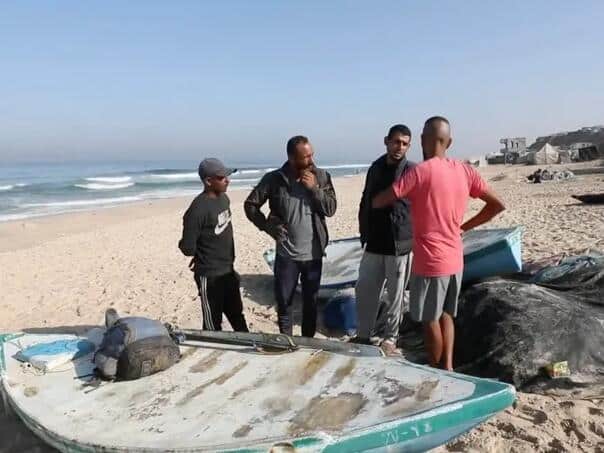
Its waters and the fish in them have long nourished Palestinians cut off from the world, partially easing the pain of Israeli bombing, siege and starvation policies.
Looking for a meal for his family, Salem Abu Amira, nicknamed “The Beast” by the locals, dives deep under the waves.
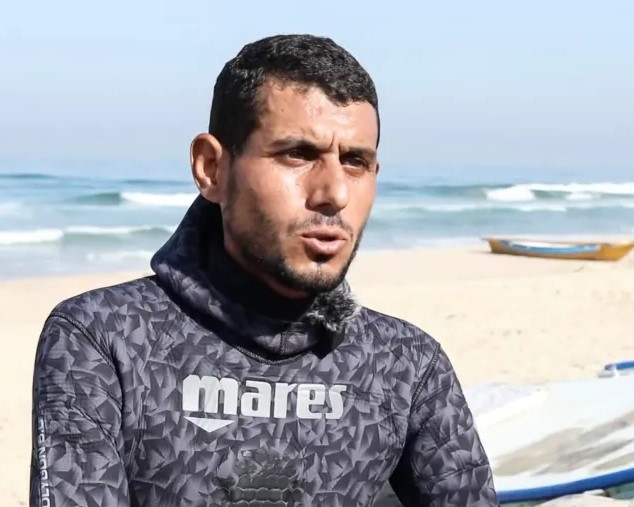
“People here call me ‘The Beast’ because I managed to catch a fish over a meter and a half long. It’s rare, but the truth is that I caught a lot of big fish,” Abu Amir told Al Jazeera.
A skill that has been passed down through the generations
Freediving is in Salem Abu Amira’s blood. He learned the trade from his father at a young age, a skill that was passed down through the generations and a lifesaver for his family.
Before Israel’s war, fishermen in Gaza sailed far out to sea, where the waters teemed with fish. In 2020, the World Bank estimated that around 18,000 people in Gaza are directly dependent on fishing, with an extended impact on more than 110,000 of their family members.
But Israel’s war destroyed both fishing and their lives.
“We can no longer reach the places we used to reach. Now we can only fish near the coast, where there are no big fish,” Abu Amira pointed out, adding:
“Restrictions have been imposed on us since the beginning of the war and continue to this day. I have no source of livelihood. I cannot just sit at home and wait for someone to support me.”
Before the war, fishermen in Gaza hauled in more than 4,600 tons of fish each year, despite the constant risk of being arrested, injured or killed by Israeli forces.
Since the beginning of the war, more than two years ago, most of their ships have been destroyed. The Ministry of Agriculture reported in a report to the United Nations that by December 11, 2024, the Israeli military had killed 200 fishermen and their associates out of approximately 6,000 individuals engaged in the fishing profession.
Those still trying to cast their nets just a few meters from the shore came under Israeli fire.
No access zone
In January, Israel declared Gaza’s waters a “no-go zone”, banning fishing, swimming and any access to the sea.
The result was devastating – Gaza lost 94 percent of its catch, leaving it without one of its last remaining sources of food.
Fishing, once a vital source of income and sustenance, has been brought to its knees.
“Fishermen are the most exposed to danger. Often their profession prohibits them from going to sea, and scuba divers cannot get diving equipment, which affects their ability to work in the coming days,” said Zakaria Bakr, director of the Gaza Fisheries Board.
After months of displacement, Abu Amira returned home. Restless, hungry for catch and preparing the small boat to return to the waters.
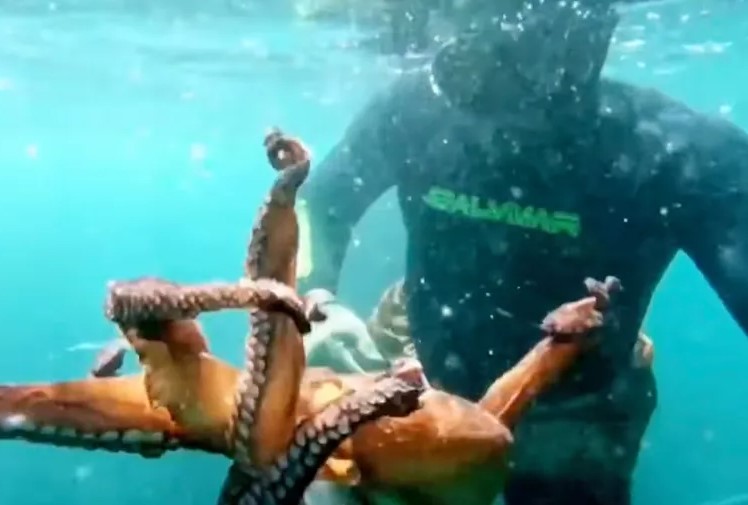
“The Beast” will dive again, looking for fish to sell at the market. For fishermen like him, the sea is not just a place of work, it is salvation.
“I am determined to pass the profession on to my children. It is a pleasure and a hobby. Fishing relieves stress and provides a source of income,” he emphasizes.
After spending hours in the water, Salem emerges with a lucky catch: a few fish and octopus to feed his family and sell at the market.
For fishermen in Gaza, the struggle is no longer just survival. It’s about preserving the centuries-old connection with the sea and holding on to the last sense of freedom they have left.
(Vijesti.ba)


