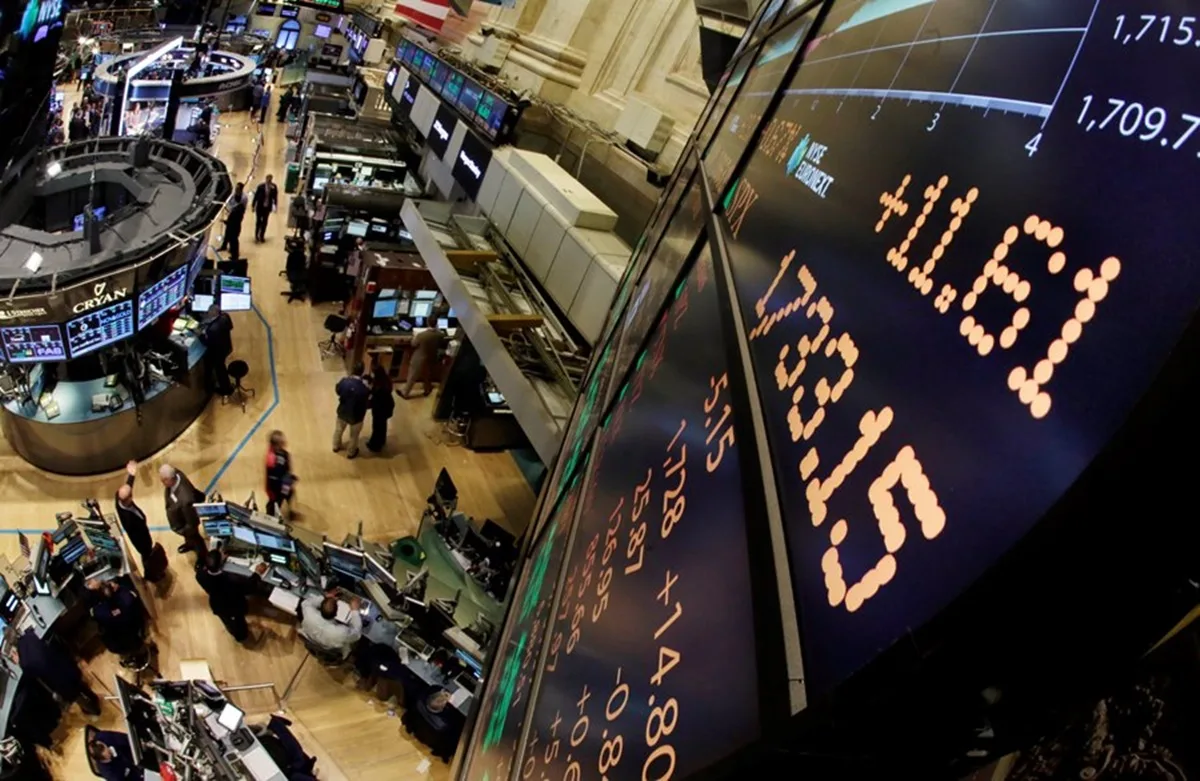
The US stock market saw a significant correction last week, after the technology sector weakened amid increased investor skepticism that the current boom based on the application of artificial intelligence (AI) could continue.
The S&P 500 index lost two percent for the week, while technology stocks, as measured by the Nasdaq index, fell 4.6 percent.
Oil prices at the level of February
The broader framework for investors remains strongly influenced by geopolitics and relations between the US and Iran, which are expected to continue negotiations with the goal of reaching a final deal within 60 days. However, markets were also marred by unplanned events last week, including Iranian drone attacks on a cargo ship in the Strait of Hormuz, to which the US responded with airstrikes. Tensions continued over the weekend, and according to unofficial information, new negotiations on opening the Strait of Hormuz should continue on Tuesday in Doha.
Although the road to lasting peace in the Middle East is likely to be long, crude oil prices have continued to fall and have returned to pre-conflict levels, SEEbiz reports. Both U.S. WTI and Brent crude lost more than nine percent of their value last week to close to $70 a barrel. The yield on US 10-year government bonds fell by ten basis points, to 4.37 percent, reflecting reduced inflationary expectations after the continued decline in energy prices.
On the macroeconomic level, the growth of the US GDP in the first quarter was revised upwards, from 1.6 to 2.1 percent, primarily due to the correction of the value of imports in that period. Personal spending, the main driver of the US economy, was revised down to 0.5 percent, marking its weakest growth in four years and indicating weak consumer sentiment.
OpenAI worries investors
On the corporate front, there was a big sell-off in technology stocks due to heightened concerns that the current pace of artificial intelligence development will not be able to be sustained. Investors are no longer buying stocks related to the AI trend on the fly, but are paying more and more attention to expected earnings, company valuations and evidence that AI investments bring real profits.
One of the triggers of the market instability was the unofficial information that OpenAI plans to go public only next year due to the increased volatility of AI shares and the uncertainty surrounding the movement of SpaceX shares after the initial public offering (IPO). The company’s management reportedly wants a valuation of at least a thousand billion dollars and has ruled out an early IPO at a lower market value.
At the same time, the US administration asked the company to delay and gradually introduce the new model for safety reasons. OpenAI will first offer the GPT-5.6 model to a limited number of early access partners, while the government will oversee its use during the trial period.
Expensive chips the biggest business challenge
Not even the memory chip manufacturer Micron managed to improve the mood on the market, which significantly exceeded analysts’ expectations in its quarterly report. The company’s operating profit in the current quarter is expected to be around $41 billion, which is higher than its total annual revenue in previous periods.
Micron signed 15 long-term contracts with new customers, up from just one such contract three months earlier. The company said that the shortage of memory chips will last beyond 2027, although it previously estimated that it would only last until the end of the current year.
While memory makers such as Micron, Samsung and SK Hynix are posting record results, major tech companies are under pressure from rising costs caused by more expensive memory. That’s why Apple made an unusual move on Thursday and increased the prices of certain products before the September presentation of new models.