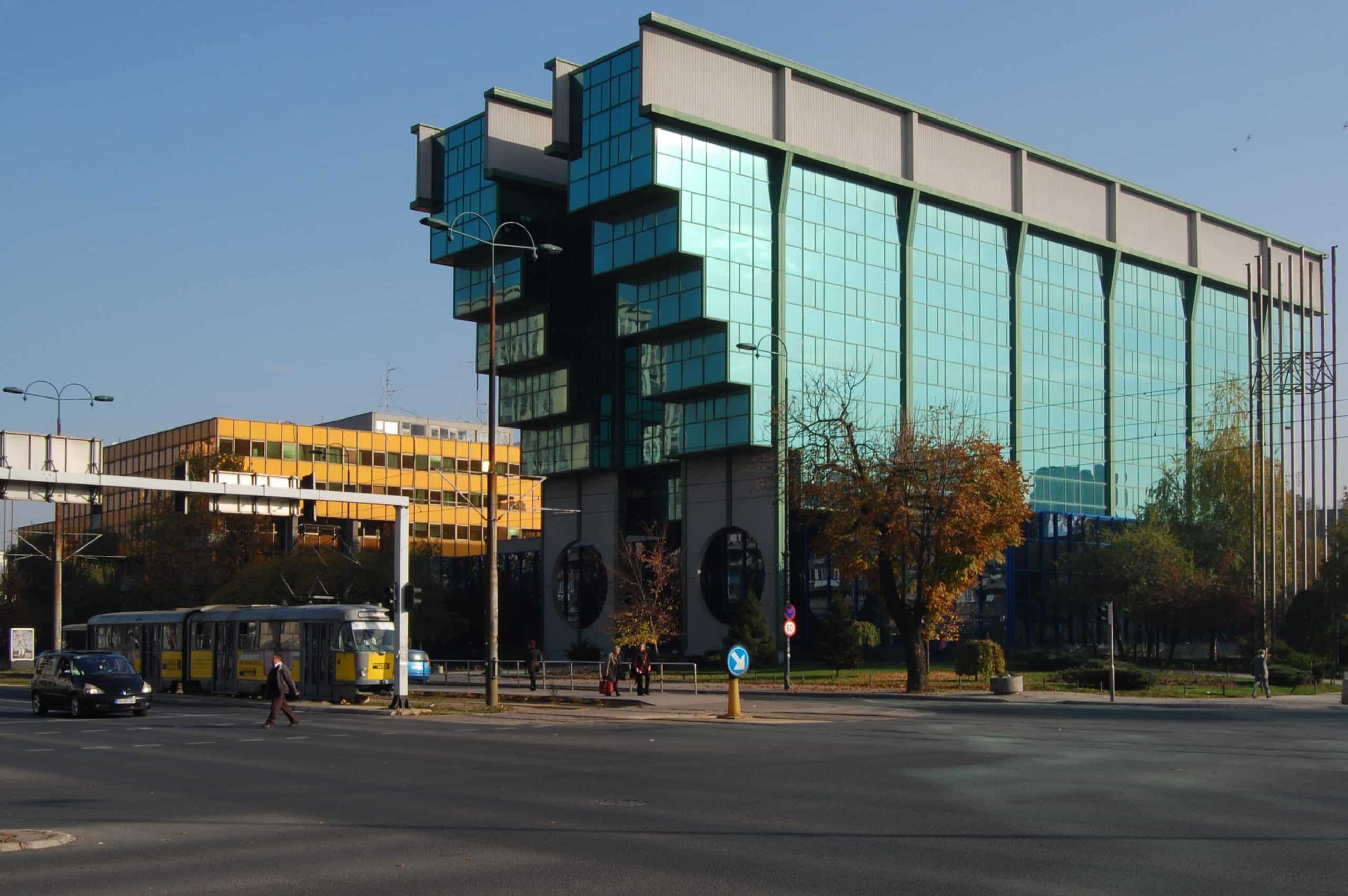
“Elektroprivreda BiH” has achieved a loss of KM 45.47 million in six months, noting that the planned business result for this period was a profit of HM 11.03 million, stated in the financial statement of this company published on the Sarajevo Stock Exchange.
It further writes that the result is worse than the KM 56.50 million, while compared to six months last year, when the loss amounted to KM 26.71 million, the financial result is worse by 18.76 million KM.
“The achieved financial result is a consequence of several factors in the company’s operations for 121.8 gigawatts in terms of adverse hydrological conditions, due to the lack of coal, increased by the planned, total coal supplies on depots Thermal power plant less than planned due to insufficient delivery of electricity in the sale of electricity from planned, except for electricity procurement costs “, writes in the financial statement of” Elektroprivreda BiH “.
This is what the total revenues of the “Elektroprivreda BiH” was 745,184,731, which are about 193 million KM higher revenues compared to six months last year.
However, expenditures jumped even more in half this year amounted to 790,604,422 KM, while last year, about 202 million KM were lower and amounted to KM 588,519,768.
Sanel Buljubašić, General Manager of “Elektroprivreda BiH”, recently said that the mines in the concern in this company had a great influence on negative business.
“We repeat that mines must produce planned amounts of coal, which are determined and agreed on the level of 73 percent in the company.” Elektroprivreda BiH ’80 percent of electricity products, and 20 percent of hydroelectric power plants, “Buljubašić emphasized.
By the way, from 1. September, the electricity for the buyers of “Elektroprivreda BiH” is promoting.
The FBiH (FERK) regulatory commission approved the request of this company to be calculated by three tariffs for electricity consumption, green, blue and red.
The green tariff will pay households that do not spend over 350 kilowatt-hours and the price increases will be 4.8 percent.
The blue will spend between 350 and 1,000 kilowatt-hours, and will increase by 6.3 percent, and red households spend more than 1,000 kilowatt-hours per month and will be expensive for them to be eight percent, writing Independent newspapers.