The world has already de-dollarized thanks to rising tensions between East and West and the US decision to weaponize the dollar in 2022 by seizing Russian central bank reserves.
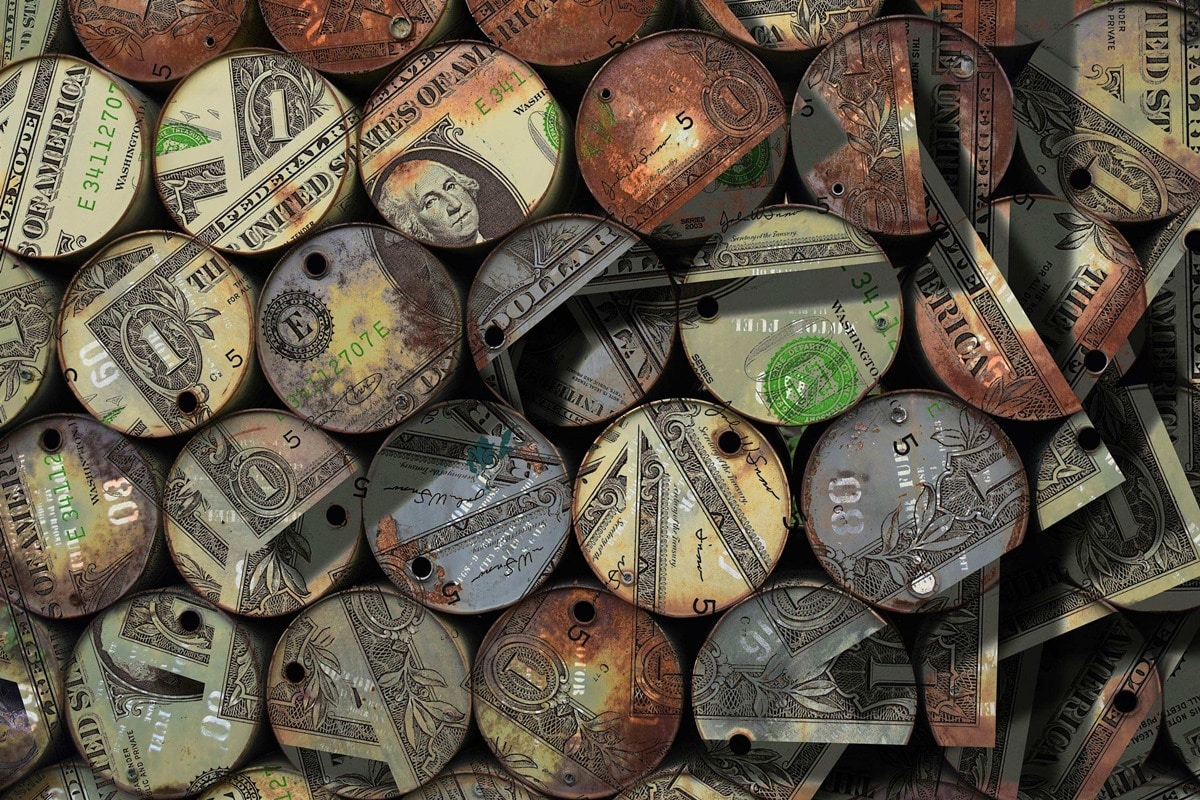
Trump went a step further, and one of the outcomes of the war in Iran will be the acceleration of de-dollarization, a rush to encourage renewable energy sources and a reduction in the share of dollars in foreign exchange reserves. It’s the perfect story for the petrodollar system, Deutsche Bank analysts said in a March 24 report.
The emerging energy crisis won’t be as bad as the one Europe faced in 2022, experts say, thanks in part to the reserves of green energy that have been built up over the past four years.
Closing the Strait of Hormuz
On March 25, Spain supplied the entire country with electricity using only renewable energy sources for the first time – a historic milestone.
The closure of the Strait of Hormuz has highlighted to everyone how vulnerable they are to energy imports, according to a new report by Amber. About 3/4 of the world’s fossil fuel imports to power their economies consume at least 3% of GDP thanks to the decline of solar energy and the simultaneous battery revolution. All that’s missing now is the advent of grid-scale batteries that last eight hours to make the green revolution complete. At the same time, the transition to electric vehicles is in full swing, which will eventually reduce the demand for oil. As this process unfolds and demand for oil and gas falls, it will further undermine the need for dollars.
“A world that becomes more self-sufficient in defense and energy would also be a world with fewer US dollar reserves. The enormous strategic importance of the Middle East to the dollar’s role as the world’s reserve currency should not be underestimated. The current conflict could be the perfect storm for the petrodollar,” Deutsche Bank said in a new report calling the Iran war a “perfect storm” for the petrodollar.
The Gulf region exports oil and gets paid for it in dollars. It then reinvests those dollars back into American securities and as such represents the main driver of both the American economy and, more broadly, the rest of the world. A Deutsche Bank analyst asked if the fault lines were now being tested by blocking the flow around that loop, then there could be “significant downstream effects on the use of the dollar in global trade and savings and the role of the dollar as the world’s reserve currency”.
Destruction of the Vision brand
US President Donald Trump’s decision to go to war with Iran and stabilize the entire region caused dissatisfaction among the rest of the Gulf countries. Thanks to the trade in dollars and gasoline, they have promoted an image of capability and prosperity as part of their various “Vision” economic transition programs to end their dependence on hydrocarbons. America should have been their greatest ally in this program, but instead Trump started a major war in their backyard and destroyed the brand Vision they worked so hard to build.
One of the consequences of Iran’s move will be that all countries in the region will strive for greater self-sufficiency in defense and energy, which in itself will reduce the global demand for dollar reserves, reports SEEbiz.
The report goes on to explore the various cracks in the existing system that are now being revealed.
Existing fissures: Pressure on the system predates the current conflict, reflecting structural changes in global energy trade and regional politics.
“The foundations of the petrodollar regime were under pressure even before this conflict. There were already signs of instability in the long-standing agreement to price GCC oil in dollars in exchange for security: most Middle Eastern oil is now sold to Asia, not the US; sanctioned oil is already trading outside dollar rails; Saudi Arabia is localizing defenses and experimenting with non-dollar payment rails along with other central banks of the global South.”
Conflict-related risks: Recent geopolitical tensions may have exposed additional vulnerabilities, particularly around security guarantees and financial flows.
“The current conflict may have revealed further fault lines, challenging the U.S. security umbrella for Gulf infrastructure, maritime security for global oil trade, and prompting a potential decline in dollar savings in the Gulf. In this context, reports that ship passage through the Strait of Hormuz may be granted in exchange for oil payments in yuan should be closely watched. The conflict could be a catalyst for the erosion of petrodollar dominance and the beginnings of the petroyuan.”
New payment alternatives: New financial infrastructure is accelerating the development of non-dollar settlement systems, reducing reliance on traditional channels.
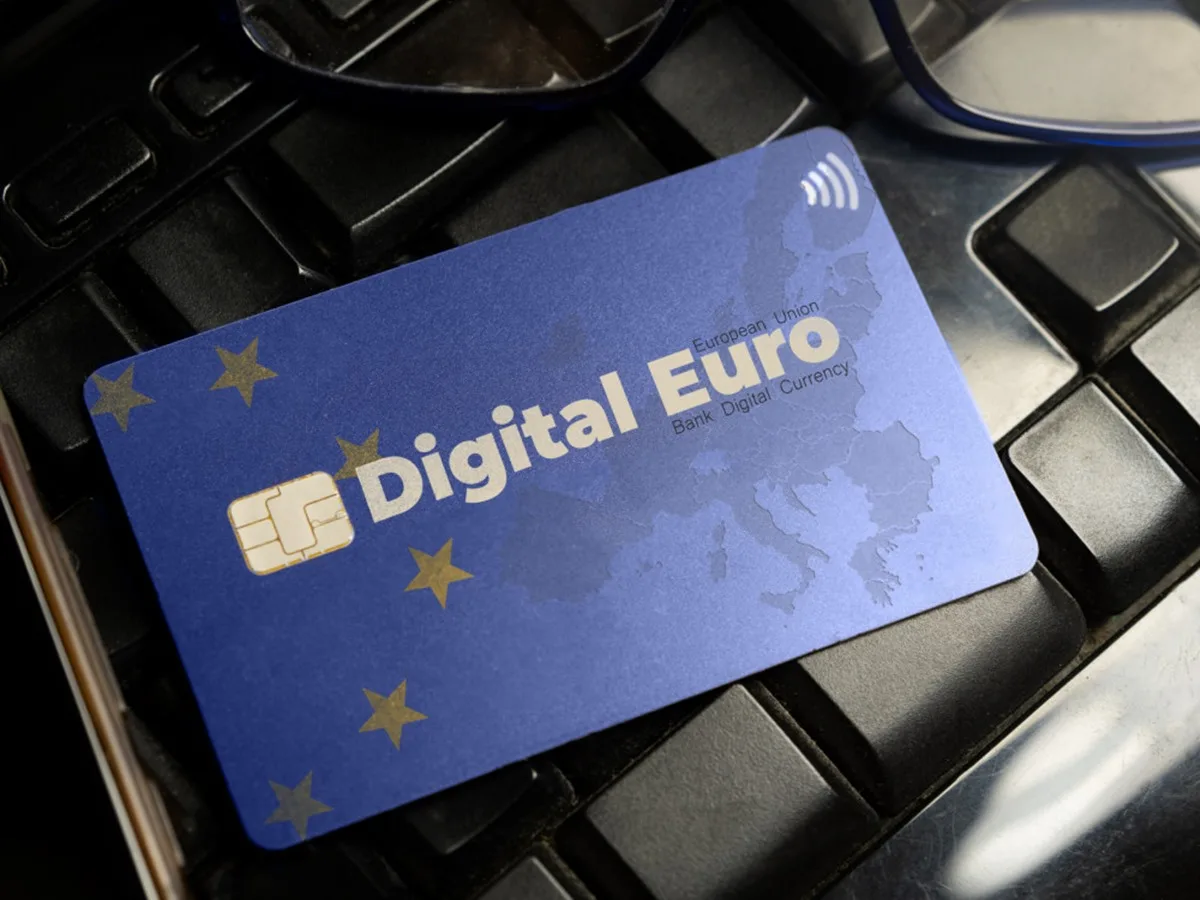
“See change/pressure #3 below, mBridge and digital currency are at the fore. The days when the only available payment rails belonged to the dollar are over. Digital payments and the more traditional Chinese CIPS are growing threats.”
Shift in oil trade flows: Structural changes in demand have altered the balance of global energy markets, weakening the traditional alignment between US and Gulf producers.
“The US was no longer the largest buyer of oil from the Middle East. With the shale revolution making the US energy independent, Saudi Arabia sold more than four times as much oil to China as it did to the US. 85% of Middle East crude goes to Asia. This had already introduced fundamental instability with reports that China wanted more oil invoiced in yuan.”
Defense Localization Efforts: Saudi Arabia seeks to reduce dependence on foreign suppliers as part of its economic diversification strategy.
“Saudi Arabia has already sought to localize more of its own defense. Under Vision 2030, Saudi Arabia has aimed to increase the domestic content of military spending to 50%, seeking to reduce dependence on imported weapons from abroad.”
Digital currency initiatives: cooperation between central banks promotes alternative payment systems that bypass dollar-based infrastructure.
“Saudi Arabia has joined Project mBridge and signed foreign exchange swap lines with China. Project mBridge is an initiative involving the PBOC, HKMA, Bank of Thailand, and the central banks of the UAE and Saudi Arabia. It uses blockchain technology to facilitate payments in the digital currencies of each country’s central banks. Crucially, it is not dependent on USD or SWIFT correspondent banking and is at the minimum viable stage. Tracks for non-dollar transactions have already been built.”
Sanctions and non-dollar trade: Existing sanctions regimes have already accelerated the use of alternative currencies in global oil markets.
“Sanctions on Russia and Iran meant that significant oil trade was already taking place outside the dollar rails. Sales of Russian and Iranian oil were priced and transacted in a range of local currencies, from the ruble, yuan and rupiah, and a non-dollar payment infrastructure was used.”
Accelerated transition to green energy: Another big takeaway from this crisis is the need to end or reduce dependence on fossil fuels regardless of the need to deal with the climate crisis. By reducing Qatar’s ability to produce and export LNG, along with sanctions on Russian LNG, the US remains the dominant player in the LNG business. That’s too much geopolitical exposure to one key energy supplier for most governments. The Green Revolution was accelerating, but the Iran war would catalyze it. Most of the elements are already in place, as EMBER detailed in a recent report, arguing that clean energy sources can replace about 70% of the fossil fuel imports used to power countries.
Technologies that enable large-scale electrification could significantly reduce countries’ dependence on fossil fuel imports, according to Deutsche Bank research, as governments seek to strengthen energy security by switching to universally available solar energy. Deutsche Bank analysts said more than three-quarters of global economic activity could be electrified using existing technologies. Electrification of transport is expected to play an important role.