Semberija, the largest granary of Bosnia and Herzegovina, is facing one of the droughest summers in the last ten years. Long dry periods and lack of rainfall have already left visible consequences on žitni but also fields under vegetable cultures. Experts warn that reduced yields will directly affect food prices on the market, while farmers and food industry already feel the first shocks.
For farmers, every year of fighting nature is a durability test. Drought, crop diseases and lack of adequate subsidies leave them without safe income. The costs of sowing, fertilizers and crop protection growth, while yields decline. The result is simple food production is reduced, and market prices are growing.
“This year, Rod is significantly lower than we planned. The wheat is dried before reaching the last year, and I want to have enough for myself and for sale,” Semberius, a farmer, spreading themselves to thirty hectares.
It also adds that drought except that reduces yield, increases the costs of production. “Everything is up-fuel, fertilizer, water. Irrigation is expensive and nonpliant, and often they need to choose what will be lowered, purchases. We get minimally, and consumers pay more,” Jovanovic’s bouquet.
Manufacturers on the impact of nature and cost
Vegetables also feel the consequences. “Customers are paid to pepper, but we make the least earnings. Although the products are more expensive due to drought, our income does not grow,” says Peprika and Tomato.
All yield, the story of Marinko, sells on the Bijeljina agrotry center where, as well as other producers, and to choose from the price, and seeing it. And I imagine, I am selling this, while I pay the fuel charges, while I pay Seasonal workers, while I reject the ulgans, I am in colon. I can’t even think, sometimes with EMORAM and I at least pay off the ulgans and work, because I don’t have another job, “says Petrovic.
The drought does not only affect farmers, and the food industry already feels the consequences. “We started buying exclusively from domestic manufacturers, and we have increased the price of supporting farmers and provide sufficient amounts of raw materials.” Extra products will be more expensive, “Savember Sumberia.
Economists warn of: Properties before the door
Professor Aleksa Milojević, an economic analyst, warns of noise: “Citizens expects the price of basic foods in the market. There will be an average of which they depend on the domestic production of wheat and corn. Importing cannot compensate for these losses, because the market reacts quickly. on a shortage. “
The purchase of fruits and vegetables reminds of exotic foods. A pound of tomatoes or peppers reaches 3 to 6 km. Apples, pears, potatoes and arcs also increase, while production reduced due to drought and high production costs. Consumers who want to prepare a meal of fresh foods face the problem of choice: reduce the amount or buy cheaper and smaller quality products.
From the Consumer Association “Bell” for noise say that citizens will feel the biggest stroke on its purchasing power. “It is already difficult to afford basic foods. This su-summer shows how vulnerable to production fluctuations are and how important it is to make the purchase system and just according to farmers,” Jovan Vasilić, the President of the Association.
Consequences for citizens: Absurd in everyday
Farmers also warn the problem of imports. “As usage is due to drought, imported vegetables come cheaper, although they are often choosing a cheaper options, and the market is dictating the prices that citizens are paid by the Citizens’ samber manufacturer Slaven Savić.
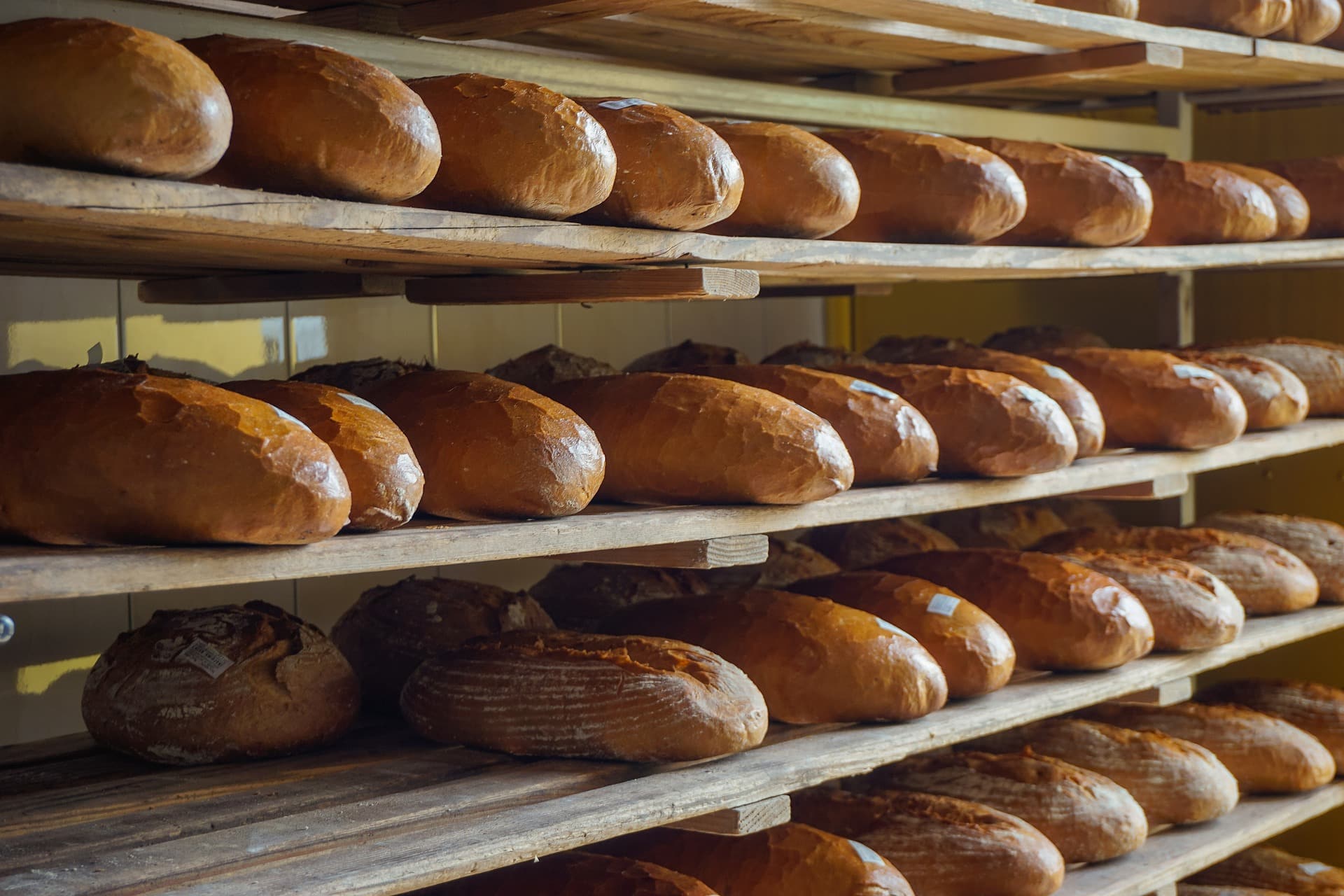
The market is already a significant increase in the market. A pound of tomatoes exceeds four stamps, paprika is sold for five to six marks, and bread more expensive by more than 20 percent than last year. Farmers claim that such jumps prices are not the result of their greed, but a combination of drought, growth costs and pressure from the orders.
“We work every day, we spend additional plant care, irrigating the nature, and every drought leaves the consequences that I know how to do the best, and again is the genus”, says for the noise Milan Jovanović.
Professor Milojević adds: “If the trend of drought continues, the production of food can be significantly significantly increased by foreign markets, which further raises countries. Investments in more resistant irrigation systems and regulated redeemes are no longer an option.”
Among those who try to keep the production and the Petrović family. “This year we had to reduce the surface under vegetables because there was simply not enough water and sun to grow everything. We don’t really make it enough. Sometimes I feel like I can fight,” says Zorica Petrovic.
Experts predict that the growth of prices and shortages will also have wider consequences on the economy. “Everything related to food and basic necessities becomes more sensitive. The inflation will grow, the purchasing power of citizens will fall, and political pressures can escalate if long-term solutions are not found,” Professor Milojević.
“The system is illogical and absurd”, the economists are alleged, “consumers finance all production, processing, transport and profit of retail, while those who feed the land remain on the edge of existence.”
Throughout the story, one dry summer is not just a problem of farmers. It is a systemic challenge that affects the whole society, from manufacturers to consumers. Resistance of domestic food production, timely state interventions and stable redemption system are crucial to overcome this crisis. But support is absent, transmits Doboj Info.