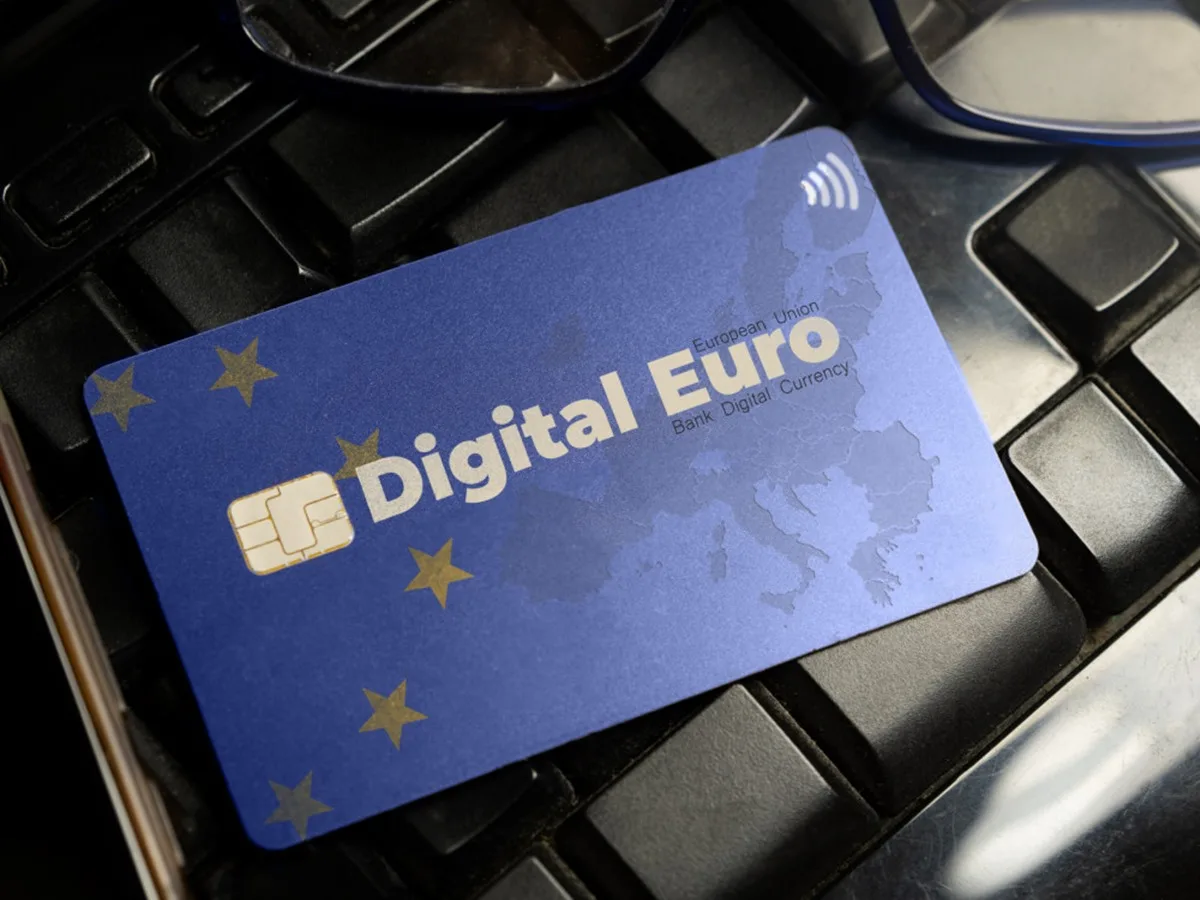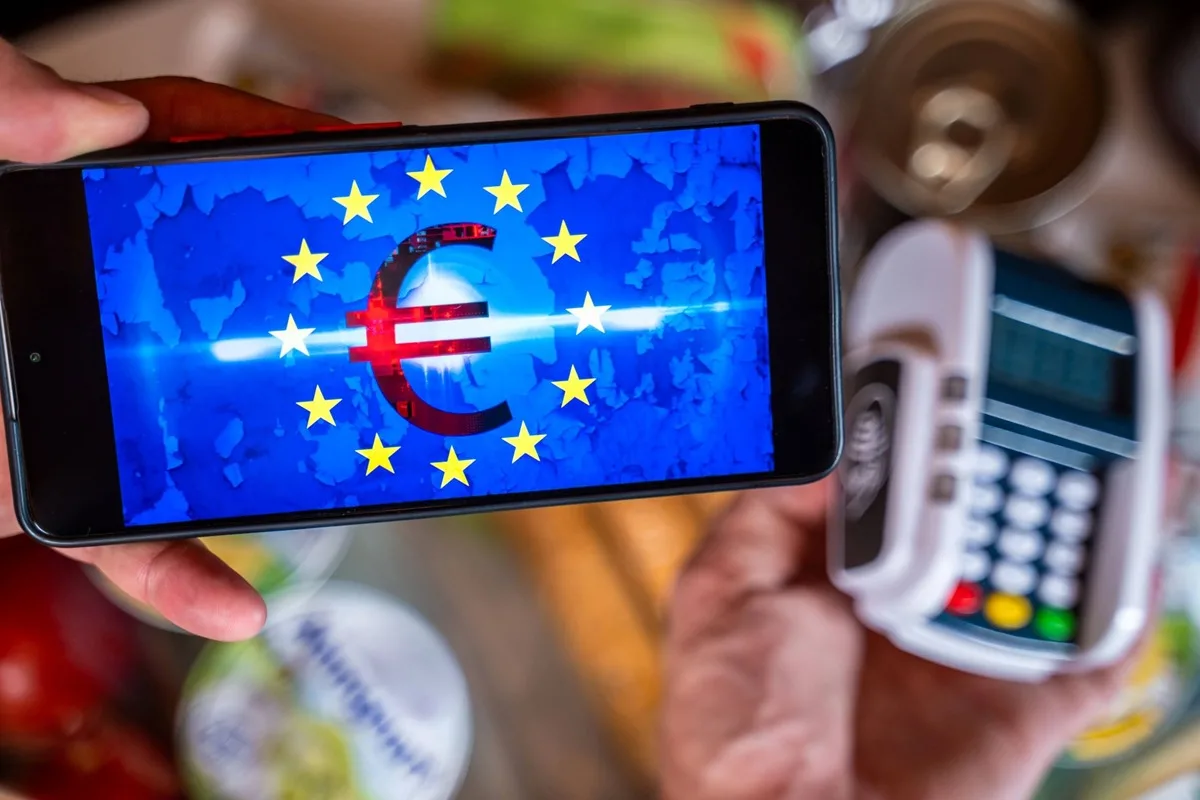
The European Parliament has given the green light to continue negotiations on the introduction of the digital euro, a stable digital currency that the European Central Bank (ECB) wants to use to ensure Europe’s monetary sovereignty and offer citizens a secure payment alternative.
Although cryptocurrencies like Bitcoin were supposed to bring a revolution in payments, due to the large fluctuations in value, we still mostly use cash and cards, writes Deutsche Welle.
In search of monetary sovereignty
The introduction of the digital euro is not only a technological upgrade, but also a geopolitical necessity. Europe is heavily dependent on American payment systems such as Visa and Mastercard, and mobile payment services such as Google Pay, Apple Pay or PayPal create an additional level of dependency. In a world where the US government suddenly changes trade rules or tightens export controls, the independence of one’s own currency becomes increasingly important.
“If all transactions in the world were settled in dollars, and the digital euro did not exist, it would limit the European Central Bank’s ability to manage its own currency,” Bas van Donselaar from the consulting company PaymentGenes told DW. As trade increasingly moves online, the digital euro could help better manage the money supply and protect the euro from external shocks. Other major economies have already gone a step further, with China leading the way with its digital yuan (e-CNY), for which more than 230 million private and almost 19 million business digital wallets have been opened since 2020.
Is Europe’s financial stability at risk?
One of the main challenges is the fact that the digital euro would not function like a classic current account. Otherwise, in the event of an economic crisis, citizens could massively transfer funds from banks to the safe digital euro, which would threaten the banking system. “If there is no limit to how many digital euros citizens can own, it will become a substitute for bank accounts,” warns Emmanuelle Auriol, an economist at the University of Toulouse School of Economics.
In order to prevent this, the ECB is planning protective mechanisms. One proposal is a €3,000 limit on a digital euro account, with the excess automatically diverted to a linked bank account. In addition, the digital euro would bear no interest to reduce the incentive to withdraw savings from banks, and businesses would not be allowed to hold large amounts in digital euros.
Unsupervised privacy
The issue of privacy remains one of the biggest concerns of consumers. Some fear the central bank’s digital currency could enable state oversight of finances, with critics drawing comparisons to China’s social lending system. Auriol believes that such a comparison is not justified. “Social credit systems have nothing to do with the digital euro. Privacy protection can be harmonized with measures to combat crime, without creating instruments of social surveillance,” she told DW.
The ECB also plans to enable direct payments between smartphones. This could preserve anonymity in everyday transactions similar to that provided by cash. Evelien Witlox, director of the digital euro project at the ECB, describes the plans as “a secure public option for digital payments that combines the simplicity and convenience of modern payment methods with the trust and stability of cash”.
How to win over banks?
Merchants currently pay fees ranging between 0.5 and 1.5 percent for each card payment, which are shared by the bank and the payment service provider. The digital euro should reduce these costs, but the banks point out that it is these fees that finance the digital infrastructure. “Finding a balance between the fee model for banks and merchants is crucial. Lower fees for merchants is certainly understandable, but the bulk of the work will be done by the banks and therefore they too need a sustainable business model,” said van Donselaar.
What does this mean for citizens?
In order for the digital euro to be widely accepted, the ECB wants to give it the status of legal tender. This would mean that every merchant with a card payment terminal would have to accept it, without additional fees for consumers. “As with physical banknotes, its value would be guaranteed by the Eurosystem. The digital euro is therefore always worth the same as the ordinary euro. Unlike cryptocurrencies, its value is stable and does not fluctuate,” explained Witlox. The digital euro could also be offered by EU members who have not yet introduced a common currency, and it would also function offline, which is useful in the event of a power outage.
What are the next steps?
Although there is still a long way to go before implementation, the European Parliament gave the green light this Thursday to continue negotiations with the EU Council and the European Commission. European decision-makers want to adopt the legal framework this year. The pilot project is planned for 2027, while full implementation could follow in 2029.