The court in the capital of Moldova decided to sentence three citizens of that country on February 6 for participating in the 2024 training camps in BiH and Serbia.
As stated during the sentencing before the Municipal Court in Chisinau, Aliona Gotco, Ludmila Costenco and Vladimir Harcevnicov were sentenced to prison terms ranging from four to almost five and a half years.
None of them attended the sentencing and arrest warrants were issued for them. There is a right to appeal this verdict within the next two months.
As it was said, Aliona Gotco was sentenced to four years and one month in prison, Ludmila Costenco to four years, while Vladimir Harcevnicov was sentenced to five years and four months.
In September 2024, Moldovan services received information that citizens of that country were being trained in camps in Bosnia and Herzegovina and Serbia.
The findings, which were then presented by representatives of the police and the Moldovan SIS service at a press conference, indicated that the camps were run by Russian instructors.
As they announced at the time, the aim of the training was to create disorder during the presidential elections and the referendum on Moldova’s entry into the EU, the positive result of which did not correspond to Russia’s policy.
A month later, the Moldovan police arrested hundreds of people in an operation linked to training in the Balkans, as well as in Russia.
Among them are persons who will be charged in the future for participating in camps near Banja Luka. Some of the arrested have since become key witnesses.
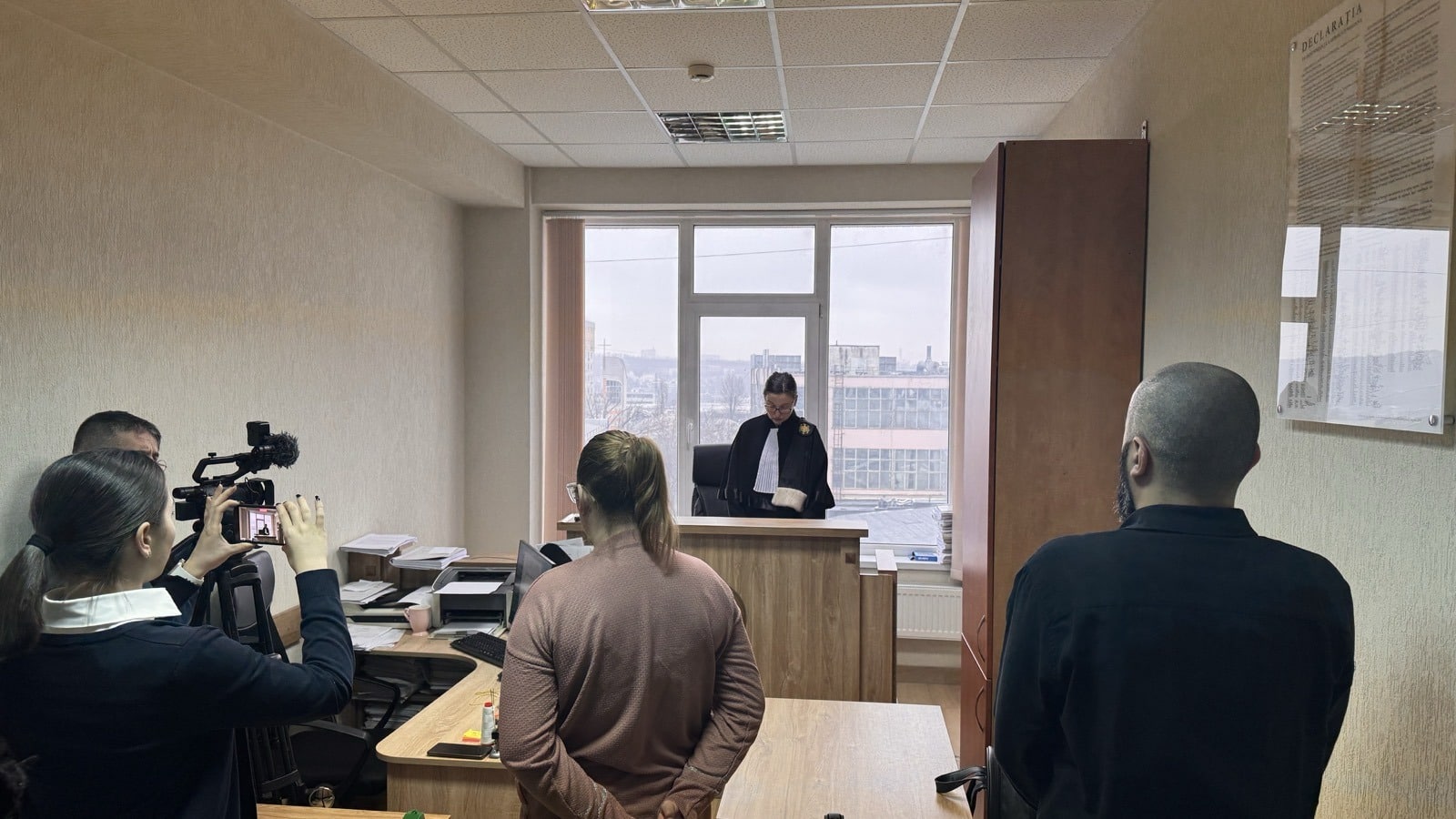
The accused – Aliona Gotco, Ludmila Costenco and Vladimir Harcevnicov – appeared before the court for the first time in the spring of 2025. Although they pleaded not guilty to the indictment charging them with preparing riots in the country, they all admitted to being in a camp in Bosnia and Herzegovina.
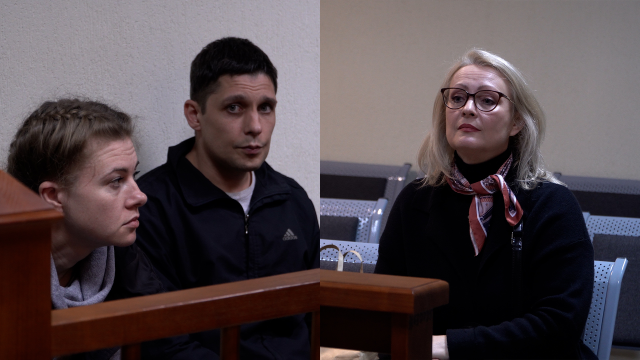
Aliona Gotco, Vladimir Harcevnicov and Ludmila Costenco in the courtroom at one of the first hearings/Photo: CU SENS
In the following months, at hearings before the court in Chisinau, details of the camps were presented.
Among other things, that the camp in Bosnia and Herzegovina was located north of Banja Luka, not far from the former Zalužani base, in the area of the village of Glamočani.
The participants were brought to the camp, made up of a large number of tents, from Serbia, sometimes through the same contact persons, and according to the claim of the participants – the ultimate goal of the camp would only be announced upon arrival in Bosnia and Herzegovina.
Some participants said that they came to Bosnia and Herzegovina under the belief that they were going on vacation or that they were delivering documents for friends from Moldova.
The participants also said that they often went to Banja Luka. Testimonies also described drone control training.
The training was first carried out through simulations, and then through the control of aircraft. Drones, in addition to standard equipment, had mechanisms for dropping objects such as smoke or shock bombs.
The instructor in charge of the drones, according to the testimonies, was Russian and the camp participants called him “Viktor”, but his full identity was never revealed.
According to a list of Moldovan intelligence services, Russian mercenaries previously linked to the Wagner group and actions in Africa, which include the murders of journalists, also played a role in training Moldovan nationals.
In addition to all the evidence and confessions, politicians from Republika Srpska, such as Milorad Dodik, Nenad Nešić and Nenad Stevandić, have denied the existence of the camps in their previous statements. The same position is shared by the Embassy of Russia in Bosnia and Herzegovina.
The investigation into the Russian camps in Bosnia and Herzegovina as part of the case of the Prosecutor’s Office of Bosnia and Herzegovina is still ongoing.
(TYPE/Source: Detektor.ba/Authors: Irvin Jam, Enes Hodzic/Photo: Detektor)