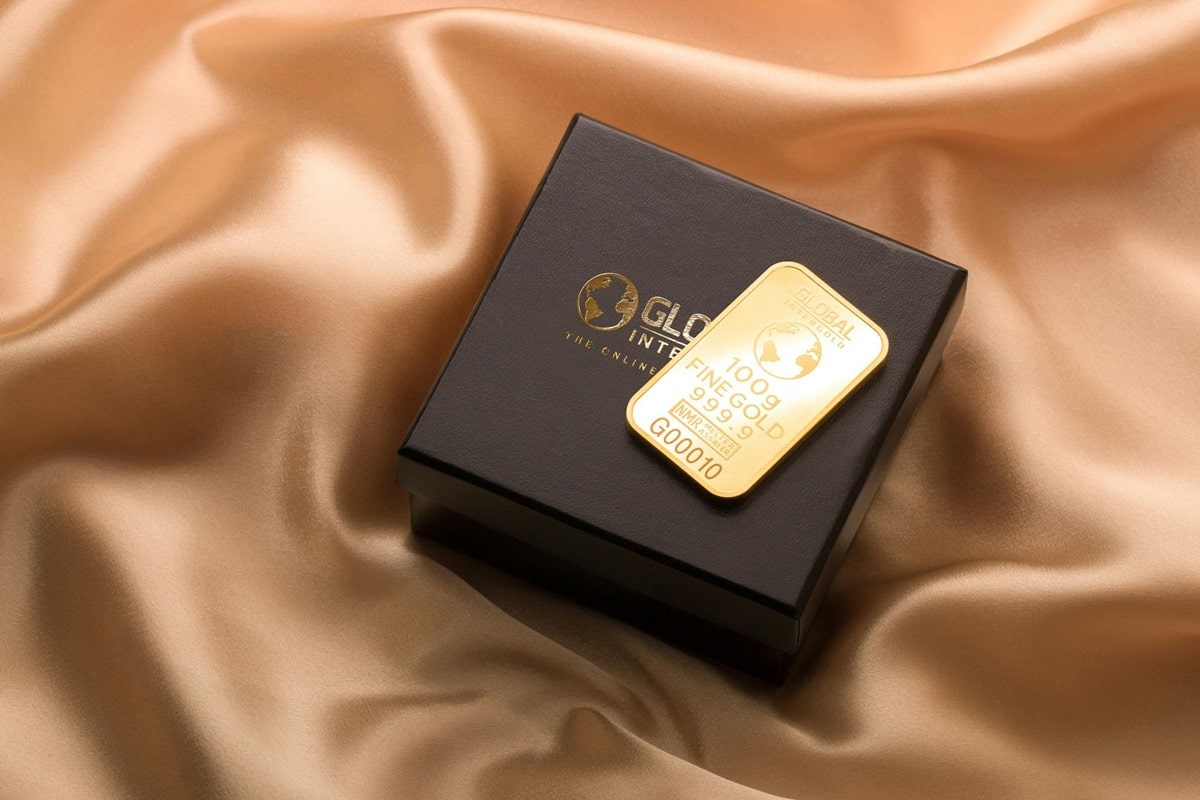
Gold had an outstanding 2025. It has reached more than 50 all-time highs and has returned more than 60%.
This result was supported by a combination of heightened geopolitical and economic uncertainty, a weaker US dollar and a positive trend for gold prices. Both investors and central banks increased their investments in gold, seeking diversification and stability.
In its major analysis, the World Gold Council gives its opinion on the outlook for gold in the next year.
“Looking ahead to 2026, the outlook is shaped by continued geoeconomic uncertainty. The price of gold largely reflects market consensus macroeconomic expectations and may remain within a certain range if current conditions persist. However, given this year’s trends, gold is unlikely to cease surprising in 2026. If economic growth slows and interest rates fall further, gold could make modest gains. In a more severe downturn, marked by rising global risk, gold could show strong growth. Conversely, the success of the Trump administration’s policies would accelerate economic growth and reduce geopolitical risk. This would lead to higher interest rates and a stronger US dollar, while gold would fall,” the Gold Council said.
Additional factors, such as central bank demand and gold recycling trends, may also influence the market. The most important thing is that gold remains a key instrument for portfolio diversification and a source of stability in conditions of continued market volatility, the analysis states.
Impressive jump in gold
The Council reminds that gold stood out as one of the most successful assets in 2025.
It was also the fourth highest annual gold yield since 1971.
At the macro level, two factors contributed the most:
- increased geopolitical and geoeconomic uncertainty
- general weakness of the US dollar and slightly lower interest rates
“This environment has led to a broader demand for portfolio diversification, given weaker bond yields and concerns about overheated equity markets. On this wave, and additionally supported by the positive momentum of gold, demand for investments has increased in all regions, from west to east,” the Council recalls in the analysis.
At the same time, the demand from central banks to strengthen reserves was above average (but below the record from the previous three years).
What to expect in 2026
“Looking ahead to 2026, markets largely predict a continuation of the status quo. But divergences in macroeconomic data, shrouded in a difficult geoeconomic framework, mean that uncertainty will remain high. Concerns are mounting about a possible weakening of the US labor market. Debates continue to rage over whether inflation will remain persistent. At the same time, despite some progress, geopolitical tensions continue to simmer,” says the Gold Council.
What does this mean for gold? It is stated that some events, such as a large increase in US tariffs, cannot be predicted, reports Bankar me. The problem is that the frequency of such events is increasing. That leaves open the question of whether it will be perceived as an increase or decrease in risk, and whether anyone will flee to gold as a means of diversifying risk.
Three scenarios
The World Gold Council reminds us that history shows that macroeconomics rarely follows the path dictated by market consensus.
That’s why they created three possible groups of conditions that could:
- moderate rise in gold (slight fall)
- raise gold significantly (doom loop)
- cause a significant drop (reflation return)
1. Slight decline in the economy – Moderate growth in gold
“US economic data is mixed, but market participants worry that momentum may be slowing. As risk appetite declines, positioning is shifting to defensive assets,” the Council asserted.
A lot also depends on AI companies and market expectations regarding their value. A possible correction could burden the stock markets, especially since these companies are heavily weighted in the main indexes. This could encourage further risk reduction. The result is a decline in high wage rates, an impact on the labor market and a decrease in consumer activity. Hence the global slowdown in growth. That’s why the Federal Reserve could cut interest rates further in response to growing economic uncertainty.
Impact on gold: Moderate growth
“The combination of lower interest rates and a weaker dollar, coupled with increased risk aversion, would create a supportive environment for gold. Our analysis suggests that in this environment, gold could rise 5-15% in 2026 from current levels, depending on the severity of the economic slowdown and the dynamics of rate cuts.”
It is also recalled that historically, the combination of lower interest rates and a weaker dollar supports the growth of the gold price. Central banks and new investors, including insurance companies in China and pension funds in India, can contribute to this.
2. Doom loop – A spiral of deterioration
The Global Gold Council does not rule out the possibility of the global economy entering a deeper slowdown — particularly due to geopolitical and geoeconomic risks. Trade tensions, unresolved regional conflicts and new flashpoints can strongly influence global activity.
“As confidence declines, businesses cut investment and households cut spending, triggering a doom loop that deepens the economic downturn. US growth slows further and inflation falls below target. That would prompt the Fed to cut interest rates aggressively. Long-term yields fall sharply and the US dollar weakens as policy tightens. This contributes to weaker global trade and broad weakness in commodities.”
Impact on Gold: Big Buy
In this scenario, there would be a “pronounced capital spillover” into safe investments. This would strongly push gold prices. Gold could jump 15-30% from current levels in 2026.
3. Reflation return – Recovery through reflation
On the other hand, it is possible that the Trump administration’s policies will succeed. This would lead to stronger than expected economic growth, fueled by fiscal stimulus. In such an environment, reflation would probably assume a dominant role.
As inflationary pressures mount, the Fed would be forced to hold or even raise interest rates in 2026.
Impact on Gold: Fall
Rising yields and a stronger dollar are putting negative pressure on gold. Investors would withdraw money from ETFs and shift funds into stocks and other higher-yielding instruments. In that case, the price of gold could fall 5-20%.
Uncertain factors
“Central bank demand remains an important contributor to gold’s performance. Buying is strong and likely to continue, particularly in developing countries. If geopolitical tensions escalate, buying could accelerate.”
Gold recycling can also be a key factor. Although it has been relatively low this year, rising gold prices could increase recycling flows and put pressure on the price.
Conclusion
“Gold’s outlook for 2026 is shaped by an uncertain economic environment. Like 2025, the coming year could bring significant volatility in financial markets.
The analysis shows that the forces of weaker growth, more accommodative monetary policy and persistent geopolitical risks are more likely to be a support for the gold price than a hindrance.”