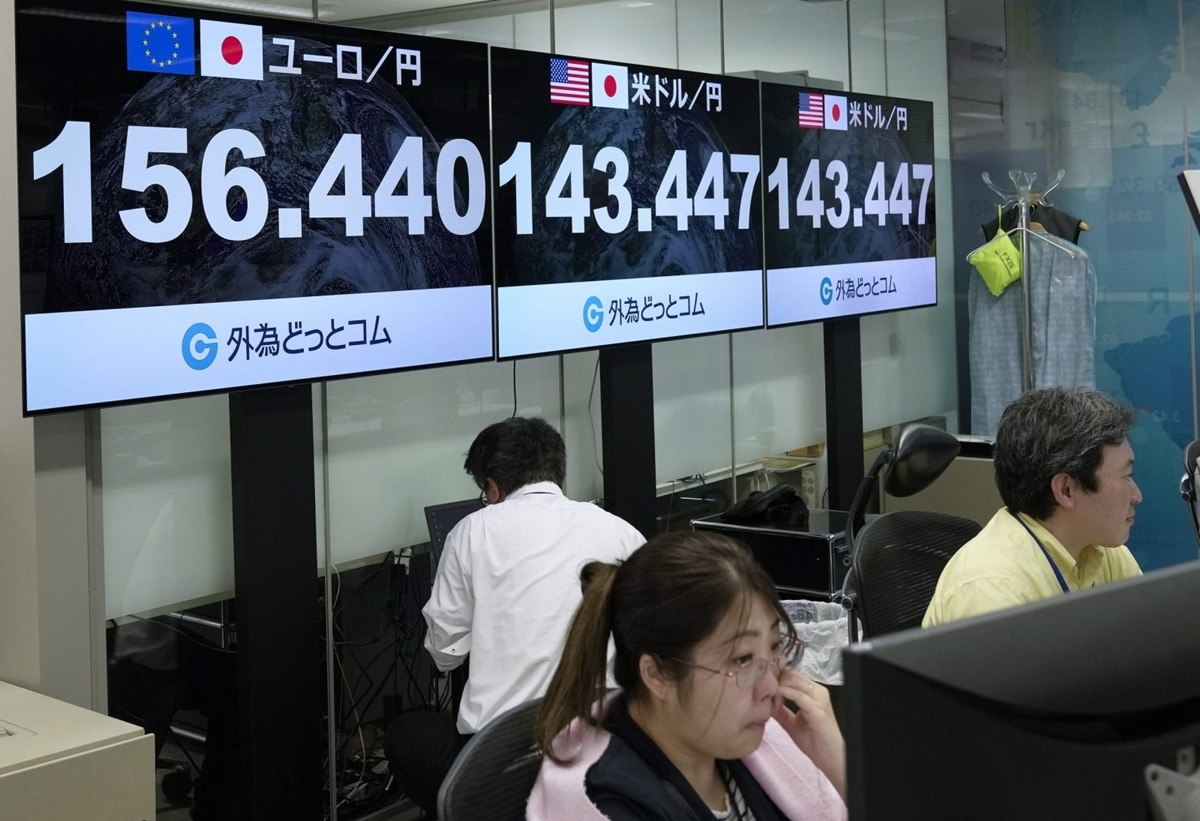
Asian-Pacific Markets On Tuesday were moving between winnings and losses while investors estimated the latest customs threats of the US President Donald Trump sent to 14 trade partners.
The goods embroidered in the United States from Japan, South Korea, Malaysia, Kazakhstan and Tunisia will now face customs from 25% starting from 1. Augusta, according to the letters that Trump announced on Truth Social.
Other Asian-Pacific Markets that are facing higher customs include Indonesia, which will be affected by a customs from 32%, Bangladesh, which is affected by a customs and Thailand, which are determined for the customs rates of 36%, is indicated in the presidential alphabets.
Meanwhile, imports from Laos and Myanmar will face a 40% customs, showed by Trump’s letters published on Truth Social.
Economists in Citi Economics Research considered the exemption of regions such as Taiwan, India, Philippines, Sri Lanka and Pakistan interesting.
“The economies of emerging markets in which we hope for the Framework Agreement are India and Taiwan, Possible and Israel, given the Meeting of Prime Minister Netanyahu and President Trump,” Economists in a short notice on Tuesday.
He referring to the comments of the American Minister of Finance Scott of the SCOTTA that about 100 letters will be sent to smaller countries “where we do not have a lot of trade”, the economists expressed that those that have not yet received the letter “of 10%.”, SEEbiz reports.
Barclays analysts, in the meantime, say that “should not be surprised” if they send more letters in the coming days. The surprise, however, if “the audits of the customs rates are great,” they wrote in Note on Tuesday.
“Although these customs rates – if implemented 1. Augusta – the risks of the fall of our GDP growth, a new deadline also implies extension to enable more time for negotiations,” they added.
The Japanese Nikkei 225 index added 0.29%, while the wider topix index remained unchanged.
In South Korea, the KOSPO index increased by 1.47%, while the basket with a small market capitalization climbed by 0.46%.
The Chinese CSI 300 index increased by 0.74%, while the Hong Kong Hang Seng Index rose by 0.8%.