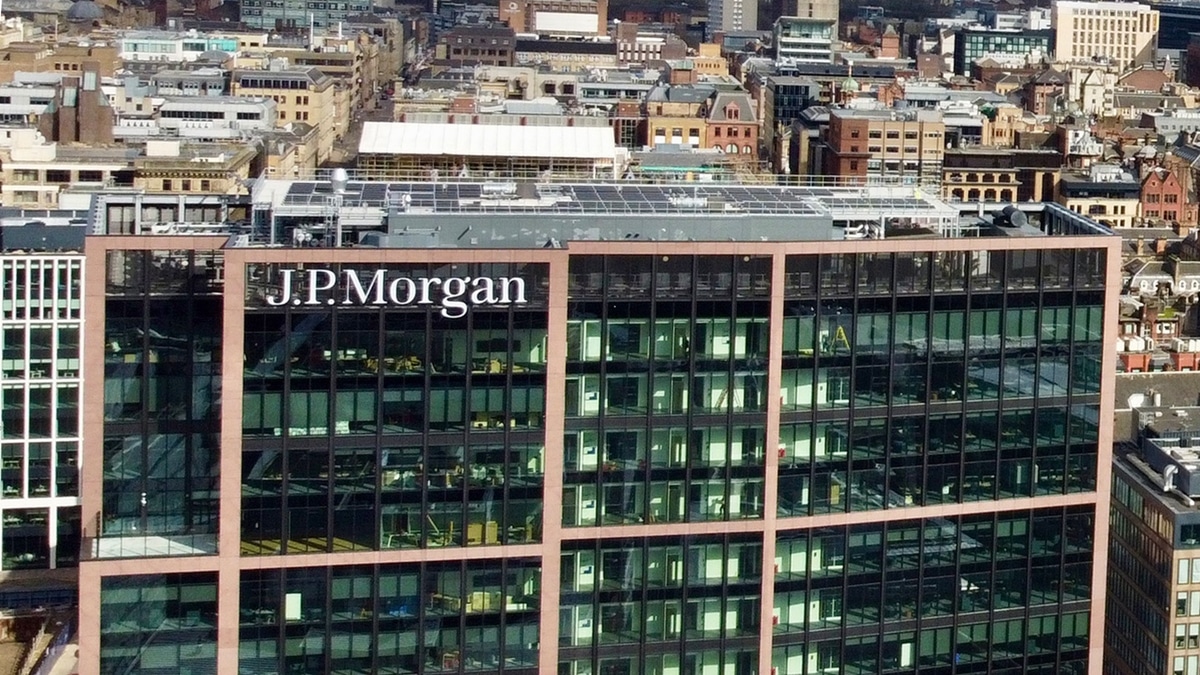
The German financial market regulator BaFin fined the American bank JPMorgan EUR 45 million for systemic failures in preventing money laundering – the largest fine ever imposed on a financial institution in Germany.
The German financial supervisory authority BaFin announced that JPMorgan Chase & Co. violated supervisory obligations regarding internal procedures for reporting suspicious transactions. The branch of the bank based in Frankfurt did not submit reports on suspicious transactions in time between October 2021 and September 2022.
BaFin stated that the bank “culpably violated supervisory obligations” because it did not timely report transactions that could be related to money laundering or terrorist financing. The decision on the punishment became final on October 30, according to the announcement.
According to the German Law on Prevention of Money Laundering, banks are obliged to immediately report any suspicious transaction to the Financial Intelligence Unit (FIU), which enables quick investigation and eventual processing of cases, Investor me reports.
BaFin pointed out that in cases of systemic violations, the penalty can be based on the total turnover of the institution, which can lead to significant amounts. Thus, in the case of JPMorgan, a fine of 45 million euros was imposed, which exceeded the previous record from 2015, when Deutsche Bank was fined 40 million euros.
JPMorgan’s reaction
A spokesman for the bank told Euronews that the fine was related to “historical findings” and that the delay in submitting the reports did not hinder any investigation by the authorities.
“We are deeply committed to detecting, preventing and reporting money laundering and financial fraud. We are pleased that this case has now been resolved and remedied,” JPMorgan said.
BaFin’s decision comes at a time when German authorities are trying to strengthen supervision and controls in the area of combating money laundering, following several financial scandals. These include the arrests of 18 people this week in an international investigation into online fraud and money laundering networks, as well as the collapse of payments company Wirecard in 2020, which revealed serious weaknesses in the country’s regulatory system.