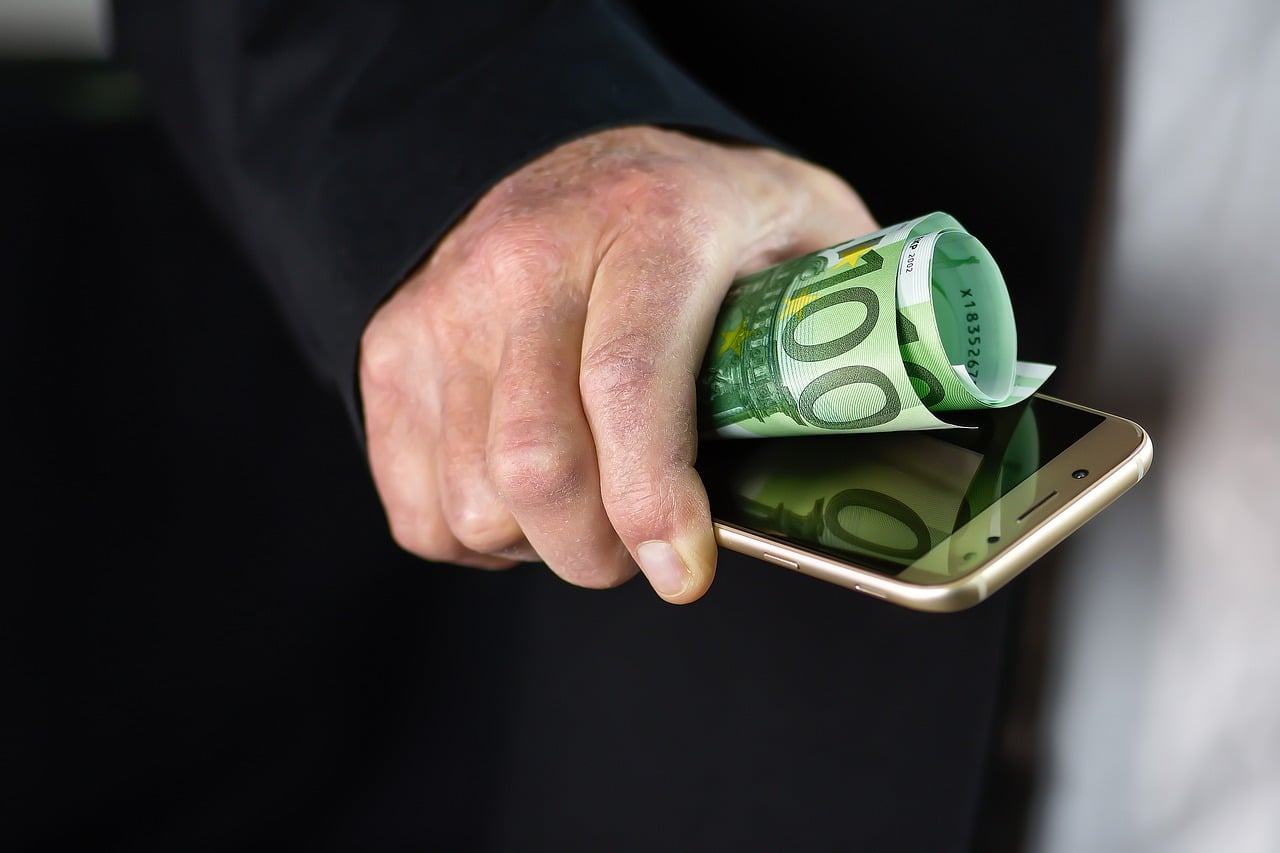
Gotovina is not yet disappearing from everyday life, but it hurts rapidly in importance.
Citizens across the eurozone are increasingly using cards, smartphones and payment applications, while banknotes and coins have an increasing role in transactions.
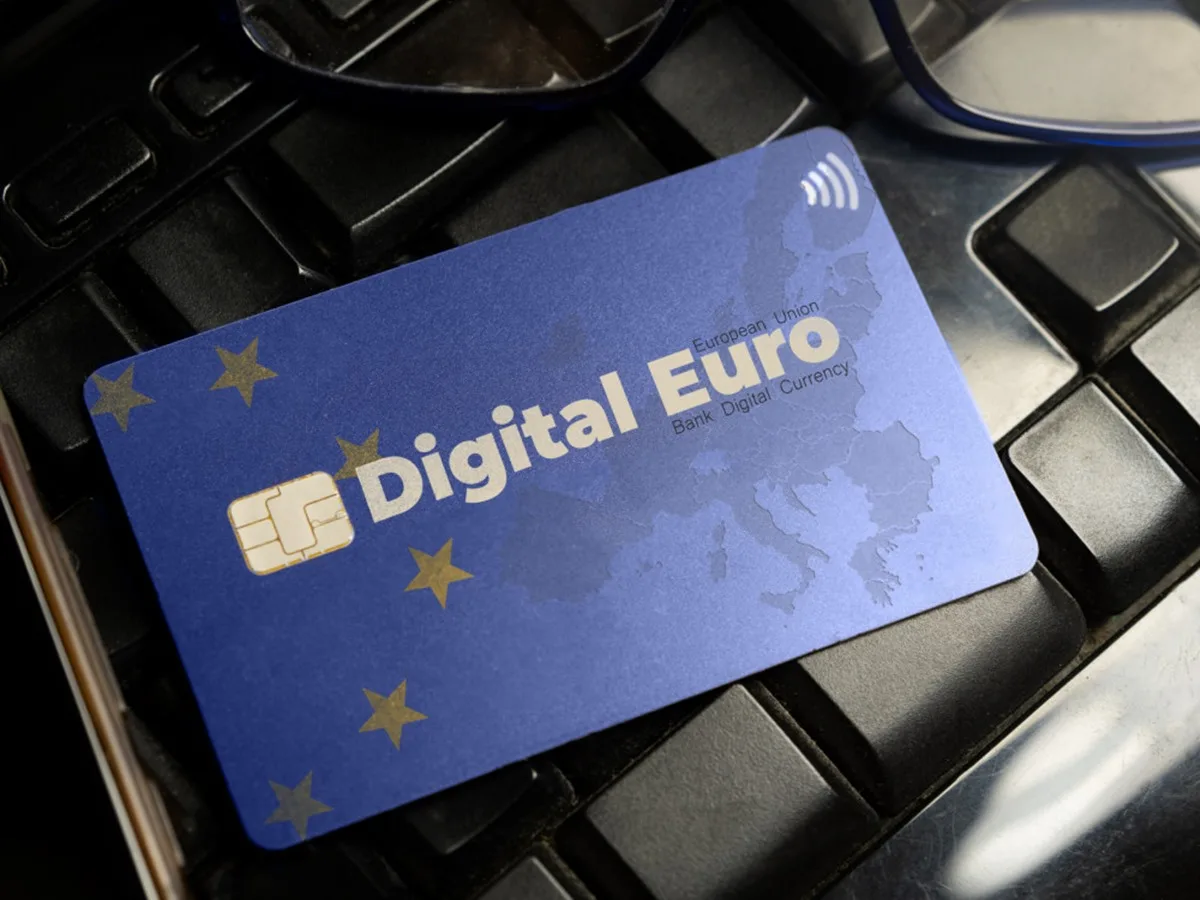
For the European Central Bank (ECB), this digital transformation opens a key question: How to preserve the role of public money in the world that goes to a non-cash payment? Their response is a digital euro – the digital currency of the Central Bank designed to function like cash, but in electronic form, euronews writes.
Cash supplement with digital form
“The main reason for issuing a digital euro is the preservation of the benefits of cash in the digital age”, said in July Piero Cipollone, member of the ECB Executive Board. “In order to do this, we have to complement physical cash with a digital form of cash.”
Cash is universally accepted, does not require a bank account or have hidden fees, and the payment history remains only yours. On the other hand, most of today’s digital payments take place through private companies.
The cards and applications are practical, but belong to commercial systems in which transactions go through private-owned networks that accompany data, charge fees and can exclude users without a bank account.
“What is particularly worries in Europe is that the emptiness left by the decline in cash is filled in non-European payment solutions,” Cipollone emphasized.
Risk of loss of monetary sovereignty
Without a digital euro, ECB risks to lose a key role in everyday payments. Since 2019. until 2024. The share of cash in the transactions in the eurozone fell from 68% to 40% per number and 40% to only 24% per value.
“Inability to use cash in online transactions deprives us Key payment options,” Cipollone warned. “It reduces resistance, competition, sovereignty and eventually the freedom of consumers to choose how to pay.”
If the ECB does not act, dependence on private and often ineuropic payment service providers will grow, as with it and risk by monetary sovereignty. Digital euro would ensure that the money of the central bank remains present in everyday life.
Consumers still love cash
Despite trends, many small businesses and consumers continue to prefer cash. According to Goldman Sachs, nearly 30% of small and medium-sized companies in the eurozone prefer cash, while that percentage in Austria is over 50%, and in Italy is almost 40%.
Economist Filippo Tadde warns that without a standardized public platform such as a digital euro, Europe threatens the dominance of private and foreign systems. “If the EU does not create a standardized platform, we risk private money and foreign systems take over dominance.”
Digital euro would, in addition to strengthening competition and innovation, operate and offline, allowing safe payment even in crisis situations such as power failure.
How would digital euro work?
Citizens would access him through a digital wallet, probably through a bank or public body. Payments would be current, free, available and online and offline, reports investor me. The funds could be transferred from the account or pay cash, with holding restrictions for the protection of the banking system.
The ECB would not have an insight into individual purchases or personal data, which protects privacy. One digital euro would be worth as a single euro in cash.
When can we expect him?
Digital euro is not ready yet. ECB is in the preparatory phase until October 2025, followed by a decision on the continuation of the project and the legislative process.
“We hope that we will have all political and legal decisions in effect very early next year,” Cipollone said in May. Even with green light, development will last two to three years, so the digital euro can be expected between 2027. and 2029.
Can digital euro jeopardize the dollar?
Despite discussions on digital currencies and a potential challenge for US Dollar, ECB says: Digital EURO is not a geopolitical tool, but a means of retail payments.
The dollar continues to dominate global trade and finance thanks to the trust, market size and decades built networks. The digital euro will empower the unique currency within Europe, but it is not conceived as a global spare currency.