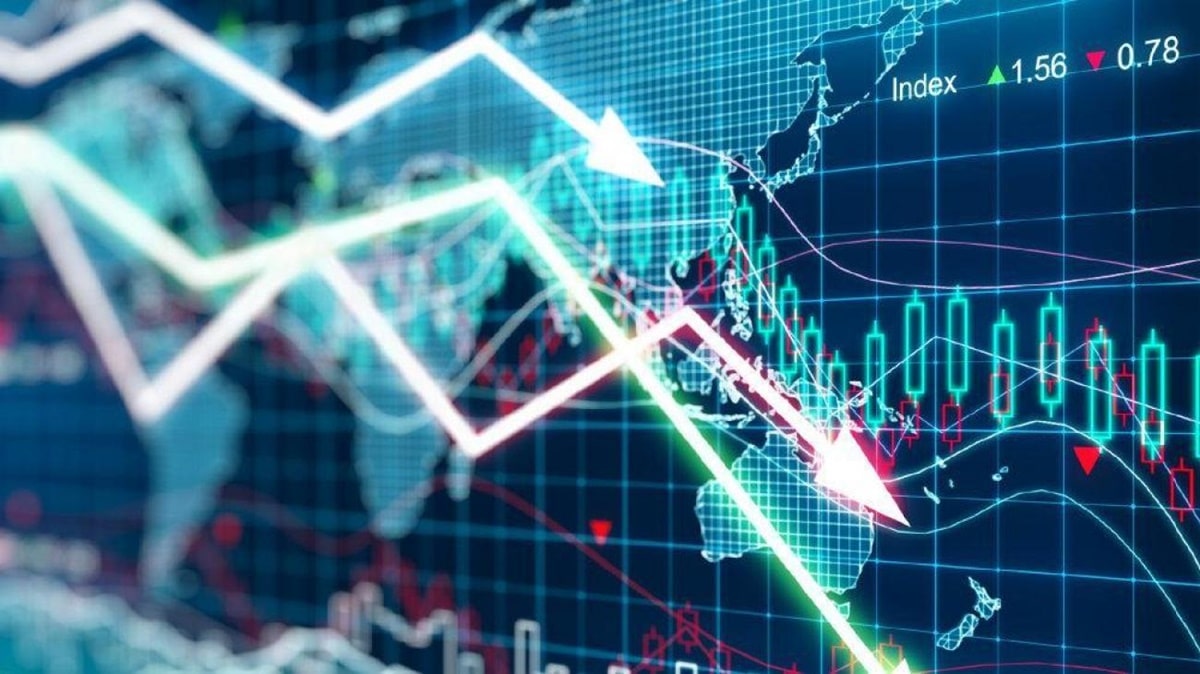
European stock exchanges entered the period of the year, which is historically exacerbated, because August and September regularly bring the weakest yields in the stock markets in this region.
After the strong first half of the year 2025. year and mild growth in July, historical data indicate that the summer momentum of European shares often attacks August.
This month is characterized by lower trading volumes, greater market sensitivity to economic and geopolitical news, as well as a consistent pattern of enhanced volatility.
August: The Lowest Month for European Indexes
The analysis of the last three decades reveals a clear seasonal decline during August.
Euro Stoxx 50, the leading European Blue-Chip index, average decrease of 1.66% during August, which makes it the weakest month of the year. Only 43% of the road is August ended in the plus, a similar form shows and wider Stoxx Europe 600.
In the last 24 years, this index fell by 0.7% in August, also with 43% “winning” effect. The worst August was recorded in 1998. year, when Euro Stoxx 50 sank by 14.4%, followed by 2001. with a drop of 13.79%.
National indices certify a negative August’s trend
Seen by states, August is also the worst month for German Dax, which regains a decrease of 2.2%, and in a positive zone ends only 47% of the road.
In France, the CAC 40 decreases by 1.47%, slightly less than the September average of -1.49%, with a winning ratio of only 37%.
Italian FTSE MIB and Spanish IBEX 35 also record negative results – with average Augustic falls of 0.7% and 0.9%.
German actions: the most pronounced seasonal weakness
Some of the most famous German companies regularly recorded a decline in August, which is often the most easily for the month of the year, both by the amount of returns and probably gains.
According to TradingView data:
– Thyssenkrupp AG losers, with an average drop in 4.6% in August and only 30% of positive results in the last 30 years.
– BMW AG recorded a drop of 4.1% and has only 37% chance that August ends in the plus.
– Volkswagen AG is losing by 3.3%, and in the plus it is only 27% of the road.
– Deutsche Bank AG decreases by 3.47% on average, also with only 30% of the positive August.
– E.ON and Siemens AG lose about 2% in August, with a Win-Rate of 37% and 40%.
– Deutsche Börse AG and Beiersdorf AG also have the worst performance in August, with a drop of 1.72% and 1.66% and win-rate of 48% and 39%.
Despite the solid growth from the beginning of the year – Euro Stoxx 50 is in the plus of 8%, and Stoxx 600 7% – history shows that August regularly brings “energy decreases” in relation to the rest of the European market.
From a broader market index to the most famous stocks, August brings minor traffic, lower yields and greater sensitivity to negative news.
Although seasonal trends are not a guarantee of future movements, August remains, according to numerous indicators, considered the most challenging month for European investors.