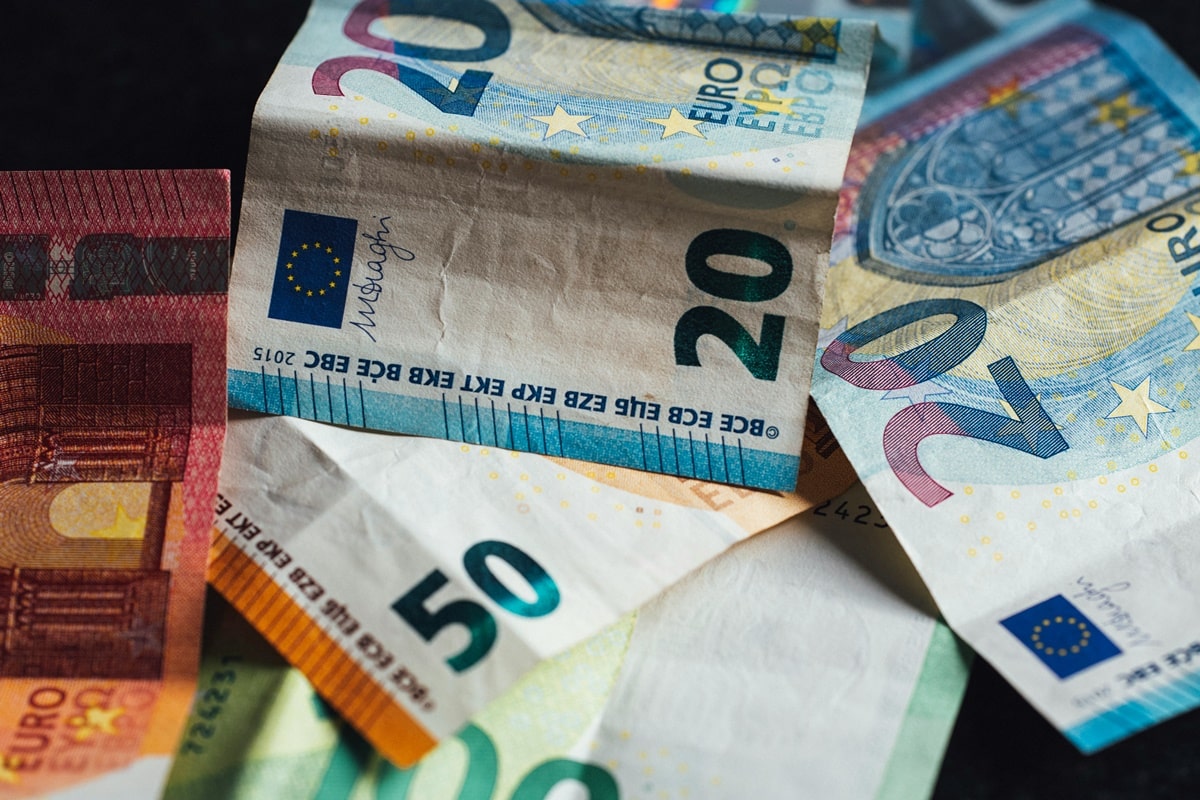
Euro has increased unexpectedly from the great publication of the US President Donald Trump on tariffs, which will probably reduce European companies for at least several percentage points, further reinforces the impact of tariffs themselves.
While economists usually expect the currencies to weaken when they are affected by tariffs, somewhat restricting damage occurred, since Trump’s “Customs bomb” on the market and led to the fall of the dollar, which was a safe institution.
The euro was also erected by the Seismic Movement of Germany towards “great consumption,” increased by about 10 percent since the beginning of March and reached a record high level based on the so-called “trade weight”, key metrics for the European Central Bank.
Half of that euro growth occurred in April, which led this currency to the strongest value in one month from the end of 2022. years. However, these are bad news for the economy of the eurozone that relies on exports, where large companies generate 60 percent of their revenues from abroad, from which the US consists of almost half, estimates Goldman Sachs.
“If you have a much weaker growth and a much stronger euro, it is a double blow to Europe,” Emanuel Kau, the head of the European Action Strategy in Barclays, reports Reuters.
Historically, the continuous growth of the euro of ten percent reduces corporate salaries by 2-3 percent, said the main strategist for shares of BNP Paribas, Danny Žoz. It will only increase uncertainty, considering that tariffs are already burdening the prospects for earnings in the first quarter.
Germany, the largest economy of block, which is a great exporter, could suffer the “mild recession” in 2025, President Bundesbanka Joakim Nagel, while the International Monetary Fund reduced its forecast for the Eurozone as a whole for this year.
The most valuable European company SAP predicts that for every growth of euros from one cent of its annual revenue could be reduced by about 30m euros. L’OREAL estimates that the level of $ 1.15 would be, how many euro has reached last week, throughout the year could reduce net sales by as much as 2.9 percent.
For companies, strong euro also reduces their competitiveness, where the block desperately needed economic incentive, even before all the turofold oversettings.
“We are a continent exporter, and that means the demand will be smaller,” said the main economist of Ing, Marika Blom.
The cars are a key European export product and faced the pressure of Chinese competitors even before they are affected by additional American customs, so this growth is an additional blow for the European auto-industry.