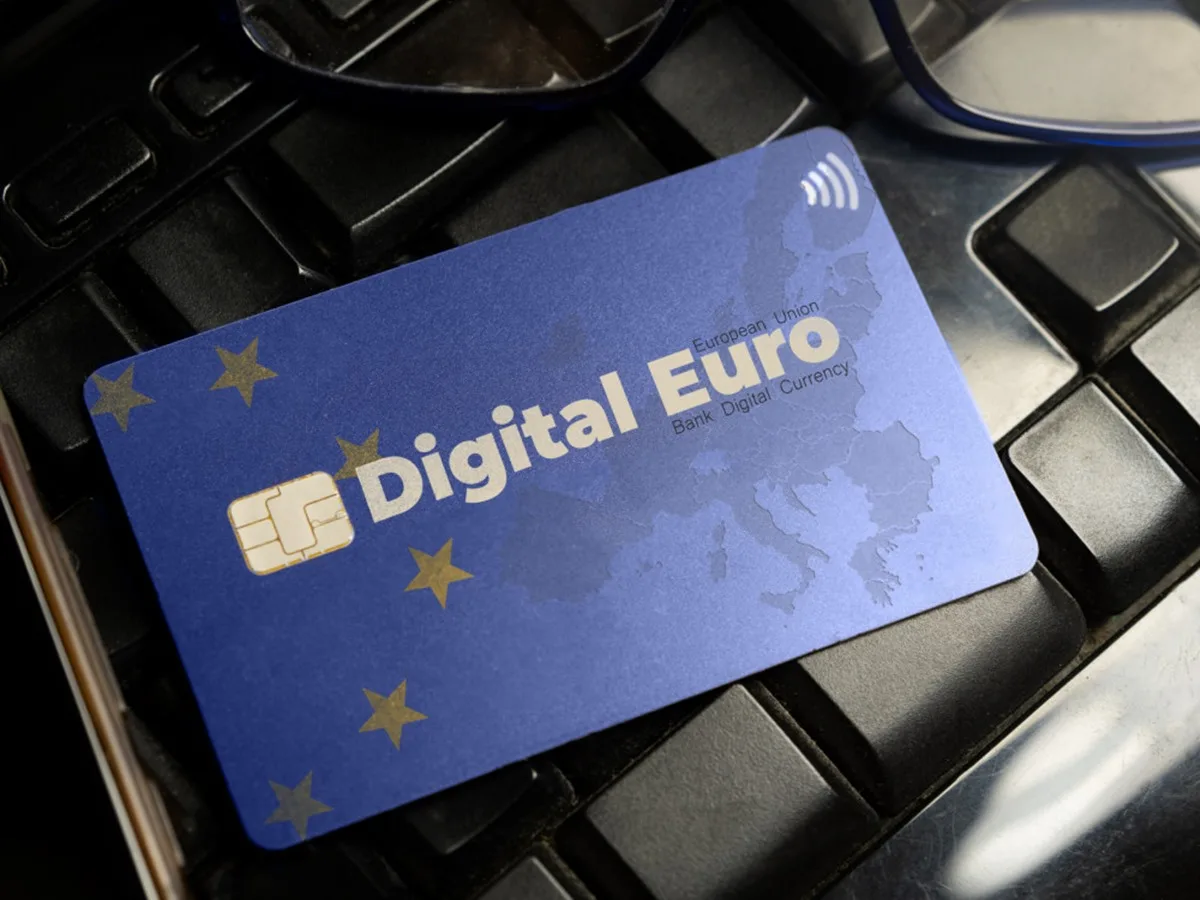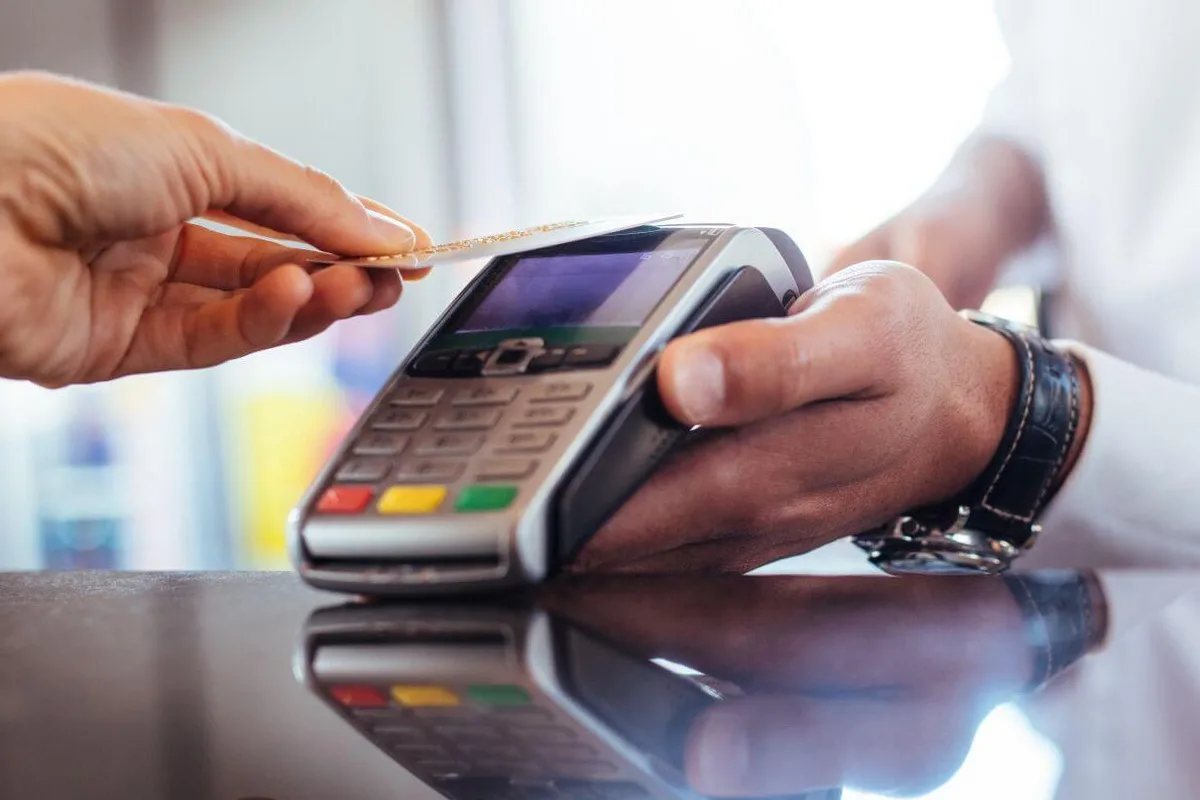
The sound of clinking coins in Sweden is almost unheard today, because almost everything is paid for by card – even the ice cream at the kiosk around the corner.
Many pay digitally, and most pay directly by mobile phone. In many shops there are even signs saying: “We do not accept cash”.
Payment must be possible even without the Internet
Bjorn Erikson believes that this is a problem for consumers.
“I think consumers should decide for themselves. Whoever wants to pay digitally, let them do so freely. But there has to be an option to pay with cash if someone wants to.”
The resident of Stockholm has been advocating for the preservation of cash through his initiative for years. From the beginning of July 2026, a new law on cash payments is in force in Sweden, which obliges grocery stores and pharmacies to accept banknotes and coins again.
According to Elin Ritola from the Central Bank of Sweden, this law comes at the right time.
“Due to the new geopolitical situation, cash has gained importance again. It’s about security, that is, that there are payment methods that work even if there is an interruption of the Internet or the supply of electricity.”
The government recommends that citizens have cash at home
The Swedish government considers cash to be an important part of emergency preparedness. The Civil Protection Authority recommends that every adult should have about 1,000 Swedish kroner in cash, or about 90 euros, at home.
In the event of a crisis, that amount would be enough to buy basic foodstuffs, reports B92.
Many Swedes today do not even have that much cash, because for years they have almost exclusively paid with cards or through the Swish app, the national system for electronic payments.
“I would say that Sweden is a country whose inhabitants have a very positive attitude towards technology. Many enthusiastically accepted these new, practical solutions,” says Ritola.
Cyber attack showed the risks
Complete reliance on digital payment also carries certain risks. Swedes felt it in 2021, when about 800 supermarkets across the country were blocked after a cyber attack.
Erikson believes that cash is not only important for security, but also for social inclusion.
“There are many people for whom digital payment is a problem, such as people with disabilities and senior citizens,” he said.
For him, the new law represents the first step in the right direction, as he will be able to pay cash again in supermarkets and pharmacies.