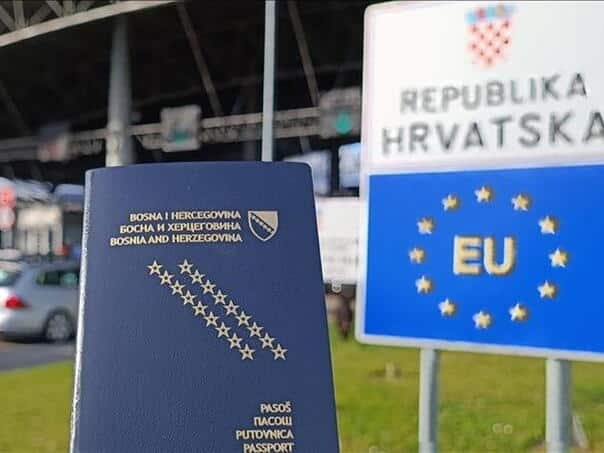
This system aims to improve safety and monitor short-term stays of passengers from third countries, registering their biometric data when entering and releasing the EU border.
According to the Ministry of the Interior of the Republic of Croatia, third-country citizens who own and citizenship some of the EU member states, such as Croatia, will be exempted from the application of this system.
The EES system has already been established on Croatian border crossings, and testing has shown that it is fully operational. Border policemen have passed training for the operation of the system and processing of biometric data. The activation of the system at the Schengen space level will be possible after the decision of the European Commission.
From the Croatian MUP, they point out that the new system will significantly improve security at all types of border crossings – land, sea and air – because they will enable the monitoring of the entries and exit of third-country citizens. It was emphasized that the system will not be applied to those who also own the citizenship of the EU Member State.
According to the information of the EU Representation in BiH, the EES will use electronic records and biometric data to improve border management. This system will enable more efficient monitoring of travelers outside the EU, with a special focus on the safety and prevention of identity theft.
The EES is an automated IT system that will register every passenger from third countries during the transition of external borders of any of the 29 EU member states used by this system. Although the exact initial application date has not yet been specified, the gradual introduction of the system is expected, with a six-month transition period that will enable easier adjustment to new technical requirements, writing independent newspapers.
(Vijesti.ba)