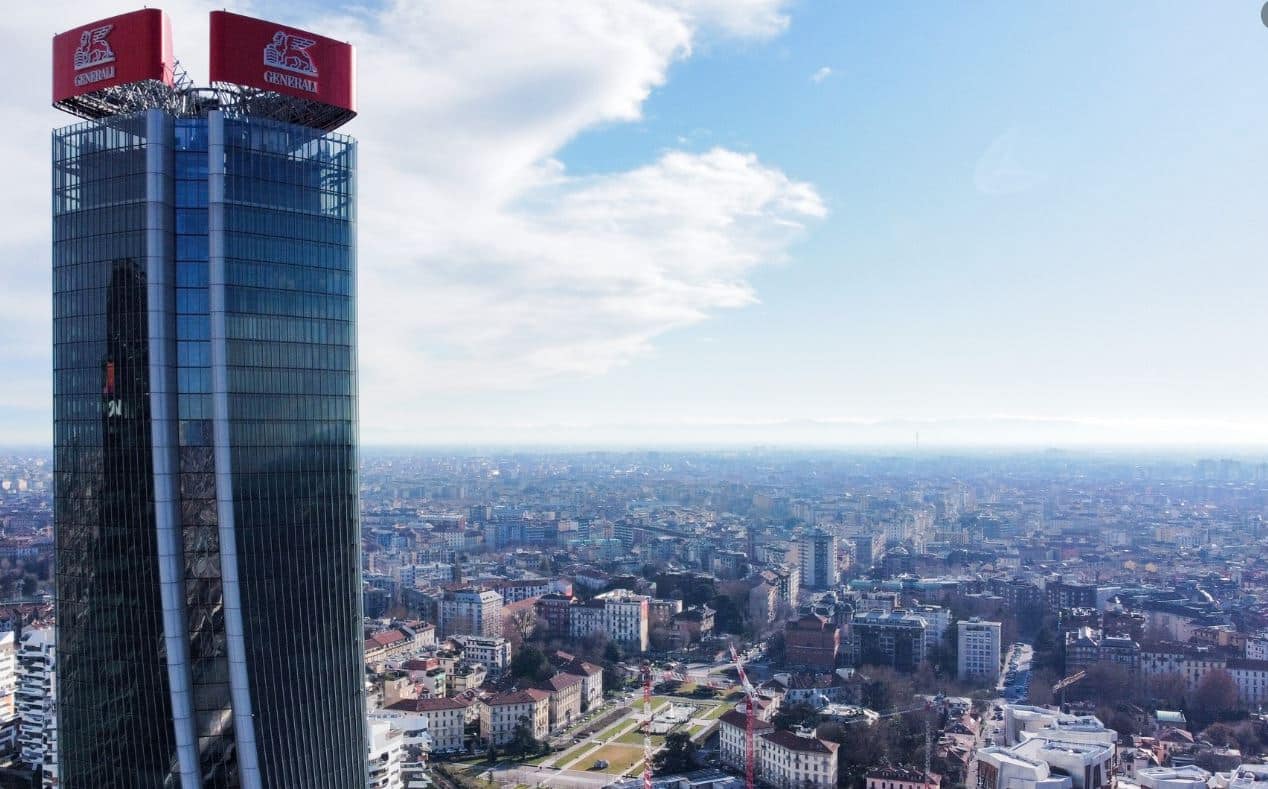
This August MEDIBANCE shareholders decided on the potential takeover of Banca generals, a bank-focused on rich clients and the management of their property.
The proposal worth seven billion euros did not receive the necessary support. There was more than 50 percent of the votes for that decision, and the support provided only 35 percent of shareholders. Additionally, 32 percent of the investors refrained from. Ten percent voted against them, and about 80 percent of the shareholders participated in the meeting.
The rejection of the takeover could cause significant changes in the Italian banking sector. Also, it weakens the position of Mediobanz in the case of possible enemy range of the MPS. The Chief Executive Director Alberto Nagel stressed that it was a missed opportunity to develop the bank and strengthen the financial system. Failure can be attributed to opposing interests among key shareholders.
Spread context and strategic influence
The outcome of the vote shows that many shareholders are not extremely concerned about MPS ambitions, which still has an open offer for the MEDIBANCE worth 17 billion euros, reports of the HR. The largest investors, the FIRST DEL VECCHIO and the entrepreneur Francesco Gaetano Caltagiron, are holding about 30 percent of Mediobance shares and are at the same time among the leading shareholders of the MoES and Banca Generals.
Del Vecchio restrained, while Caltagiron voted against the proposal. The Investment Fund Amundi, the UniCredit Bank and Italian pension funds were abstained, which further reflects the complexity of interest among investors. If the takeover was successful, the MEDIOBANCA would become the second largest bank in Italy in the richness management segment, which would increase its value and aggravate the retrieval attempts by MPS.
The Italian state supports MoF ambitions to create a strong competitor UniCredit and Intesi Sanpaolo, and the recent depreciation of UniCredit from the purchase of BPM opens the possibility of merging MPS and BPM, which further changes market dynamics. According to finance, all these decisions clearly show how much the Italian bank sector is currently complex and uncertain.