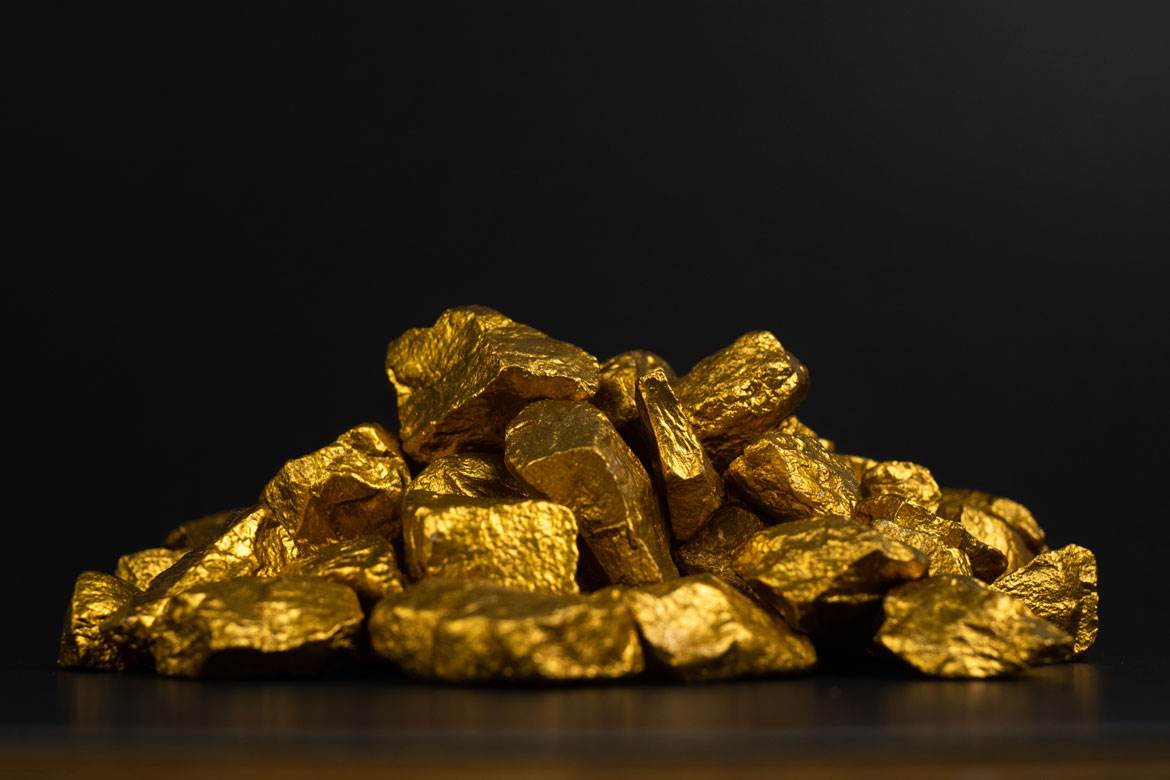
Gold rose, holding above $5,000 an ounce for a second straight day, as a weak US dollar helped extend a strong rally fueled by geopolitical risks and investors fleeing government bonds and currencies.
The price jumped as much as 1.4% on Tuesday, the seventh day in a row of growth. President Donald Trump threatened to raise tariffs on South Korean goods, and the key dollar index fell on Monday amid growing speculation that the US could help Japan support the yen, making precious metals cheaper for most buyers. Silver (SI=F) rose more than 7%.
The dramatic rise in gold – the metal has more than doubled in the past two years – underscores the precious metal’s historic role as an indicator of fear in markets. After its best annual performance since 1979, gold has gained an additional 17% so far this year, largely due to the so-called bullion trade, where investors are pulling out of currencies and government bonds, SEEbiz reports. The massive sell-off in Japan’s bond market is the latest example of investors rejecting big fiscal spending.
In recent weeks, the actions of the Trump administration – threats to annex Greenland and military intervention in Venezuela, as well as repeated attacks on the independence of the Federal Reserve – have also rattled markets. The US leader’s warning to South Korea follows a threat to Canada over the weekend to impose 100% tariffs if Ottawa strikes a trade deal with China.
America’s increasing isolation from other countries is persuading many investors to shed dollar holdings and shift to gold, according to Europe’s biggest money manager, Amundi SA.
“Gold is a very good long-term hedge and a good way to maintain some purchasing power,” said Vincent Mortier, Amundi’s chief investment officer, in an interview with Bloomberg Television.
Gold’s appeal is reflected in speculator positioning data, with options traders bracing for more upside in a red-hot market where few want to ride the wave. Implied volatility in Comex futures rose to its highest level since the height of the Covid-19 pandemic in March 2020, while volatility in State Street SPDR Gold Shares – the world’s largest gold-backed exchange-traded fund – also rose.
“Traders are buying stocks on dips rather than fading gains,” said Fawad Razaqzada, analyst at City Index Ltd.
“As long as that mindset persists, it’s hard to argue against higher prices in the near term, even if there is a near-term gap between fundamentals and reality.”