The prices of British banks fell significantly on Friday after an advisory group has called on the introduction of a new lender, while the media reported bankers for the government, in the effort to fill out the budget just to their sector – through new taxes.
The British Minister of Finance, Rachel Reeves, would be taxed by the Autumn Budget by Banks from the Bank of England (BOE) as the interests on the reserves there, they recommended experts in the Institute for Public Order Research (IPPR).
As part of the BOE Purchase Program, the BoE, banks annually collect about 22 billion pounds (25.4 billion euros) through interest, representing significant support, the Institute. The new tax on these revenues would give Minister more maneuver space for harmonization with fiscal rules, expires IPPR, reminiscent that similar recommendations amounted to other experts in previous years.
Reeves are expected to increase taxes again, after last year, in its first budget raised the names for employers, considering that low-growth forecasts and higher borrowing costs burdens British public finances.
“The program that is initiated to encourage economic growth now relates a huge part of the taxpayers’ money,” said Carsten Jung, Deputy Director for Economic Policy in IPPR.
The actions of the British banks fell abruptly after the Financial Times reported that investors increasingly fear that Reeves could introduce taxes right on banks.
During the pre-day trading, the action of Natwesto fell by 5.1 percent, Lloyds for 4.9 percent, while the FTSE 100 index has weakened 0.3 percent. The prices of Barclays stocks sunk by 4 percent. From the beginning of 2024. The banks of banks recorded strong growth thanks to higher interest rates that increased profitability.
“Over the past years, finance ministers protected banks and avoided the investment house of Exane, adding that government could now need additional funds for publication to introduce taxes to banks, reuters.
The best way to strengthen public finances is to accelerate economic growth, the spokesman for the Ministry of Finance, Hina transmitted.
“Amendments to tax policy and consumption policy are not the only way to achieve this, which is visible through our reform plans,” spokesperson added.
Various Tax Increase Options
The British media recently wrote about the various options available – from the new instance sales and tax increases for the issuers of apartments, through income tax freeze, to change tax benefits for pensions.
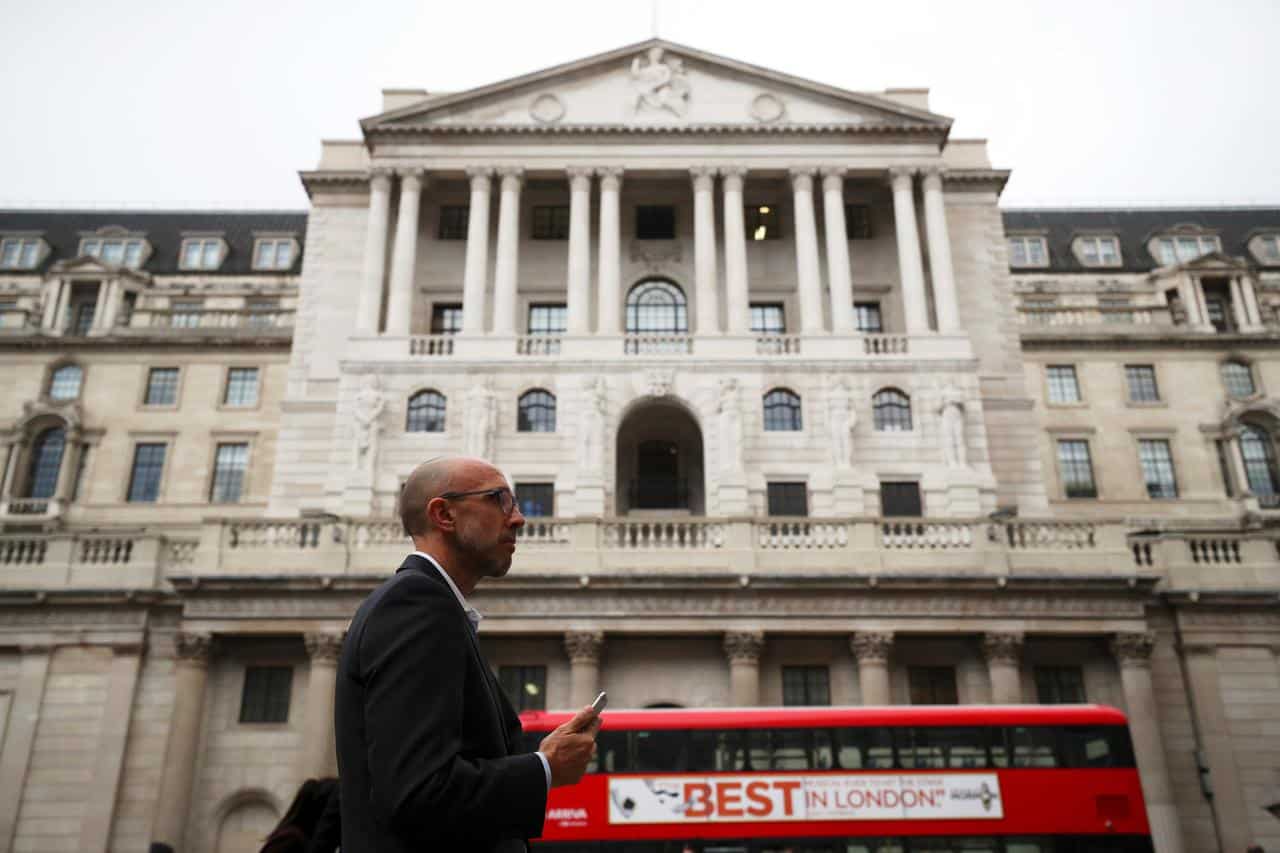
Banks in Britain keep hundreds of billion pounds in reserves in Boe, in good part thanks to the quantitative incidence program, initiated during the global financial crisis 2008-2009, which is now gradually extinguished.
The Bank’s reservations receive interest at the BOE reference rate, which is significantly higher today than at the time of program implementation. BOE losses covers the Ministry of Finance, ie. Taxpayers. However, the Governor Boe Andrew Bailey claims that the system is necessary to top the lower interest rates on the economy. In June, Bailey defended the program again after some politicians criticized him for high costs.
According to the UK Finance Association, the banks paid almost 45 billion pounds of tax last year. Additional tax would reduce the international competitiveness of British banks and would contradict the governmental purpose to support the financial services sector as a growth generator, the spokesperson of the Association.
Experts have been referring to review the system for years. Former Governor Boe Paul Tucker 8222. He said the government should revise the program.