
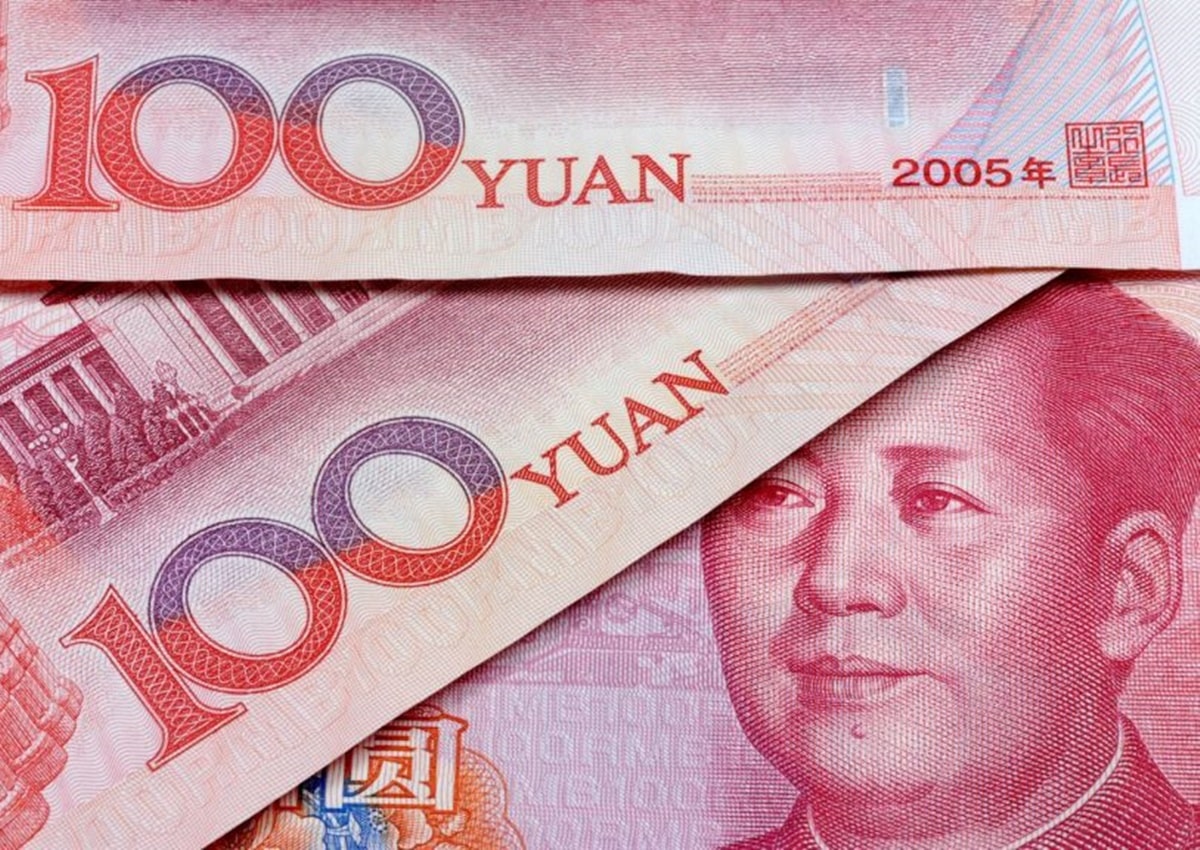
China is increasingly wider using digital currencies while promoting Juan (Renminbi) as a reflection of the status of the second largest world economy and causes the dominance of the US dollar in international trade and finances.
However, limited access to Chinese financial markets and the convertibility restriction of the Juan remain key obstacles to its global use.
Despite that, Hong Kong has already introduced regulations for stabils, and some Chinese experts advocate the adoption of rules in order to prepare the soil for any stabilkoin related to Juan. According to Reuters, the Chinese state advice (the Government) is considered by the Juan Internationalization plan, which could include the issuance of such a digital currency, investor me.
By the way, Stablicoins are digital currencies whose value is related to a particular currency, the most common US dollar. Unlike the crypto like a bitchain, their purpose is to be a means of payment, not an investment. Critics warn that they can bypass traditional banking systems and facilitate illegal transactions.
Digital Juan – E-CNY
China was still initiated by the Pilot Digital Juan Project (E-CNY), and until July 2024. Transactions in the amount of 7.3 trillion juan were recorded. E-CNY is also used for payments to civil servants, while its application is also promoted in Africa.
Unlike Stablcoin, E-CNY issues the Central Bank and it is part of the official monetary system.
Hong Kong, which has a special legal and financial system, from 1. Augusta applies the Stabilkoin Law. This wants to attract rich investors and position itself as a regional center of digital currencies. However, new, target regulations would need for Juan Stabilkoin.
Main Obstacle – Juan Convertibility
Despite Beijing’s ambitions, Juan is not freely convertible, and the strict capital controls remain the biggest obstacle to his global breakthrough.
According to the SWIFT data, Juan was in June 2025. Bio sixthly used currency in global payments, with a share of 2.88%. However, far behind the US dollar, which continues to hold the dominant 47% of all international transactions.