Bosnia and Herzegovina is still without a judicial epilogue on the Russian training camps for foreign citizens, which were organized in the summer of 2024 near Banja Luka. But in Moldavia, they uncover shocking evidence of Russian mercenaries training their citizens to cause disorder and conflict. Routes, plans and weapons have been revealed, but the identity of domestic actors is not yet known.
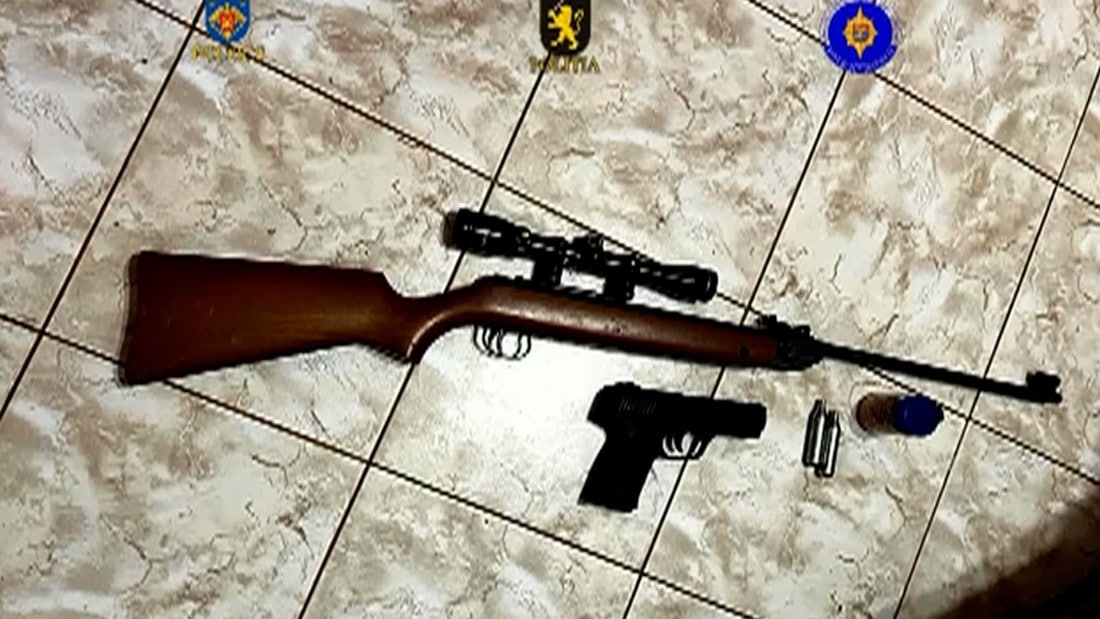
Groups of foreigners were brought to Serbia and Bosnia and Herzegovina for training purposes, both for tourism purposes and for planning purposes. Marked as a safe zone for Russian instructors was RS. In the vicinity of Banja Luka, allegedly on paintball fields, and as established by the Moldovan judiciary, in paramilitary camps, former Russian soldiers and intelligence officers carried out specialized training for various forms of destabilization, conflicts with the police, the use of weapons, the manufacture of incendiary and explosive devices, and the use of drones for transporting and launching explosives.
Training and diversions
Director of the Balkan Research Network of Bosnia and Herzegovina (BIRN BiH) Denis Džidić warns that the participants were given serious subversive tasks.
“We saw that they were given very serious diversionary tasks – how to go to the surrounding countries, to Serbia, Croatia, and even to the European Union, to photograph embassies, to fly drones. They were taught how to make bombs. I think it is very significant that something like this happened in Bosnia and Herzegovina, that it lasted a long time, that groups traveled and came several times, and that our prosecutor’s office does absolutely nothing about it,” said Džidić.
No response from the judiciary
It’s been like this for months. They are translating documentation from Moldova, is the official response of the state prosecutor’s office, without details of who the persons from Bosnia and Herzegovina are who helped the organizers of the pro-Russian camps and whether anyone was questioned, detained and prosecuted.
The Minister of Defense of Bosnia and Herzegovina Zukan Helez (SDP) points out that it is unacceptable that activities of this type take place without an adequate reaction from the institutions.
“Preparing in one country for something to be done in another, and for the country in which all this is being done and prepared to remain calm and without worry – that cannot go anywhere in the world. That is why I think that the Prosecutor’s Office of Bosnia and Herzegovina, the Intelligence and Security Agency of Bosnia and Herzegovina and all security and police agencies should investigate it to the end, arrest the people who made it possible and determine who was behind those camps,” said Helez.
Judgments in Moldova
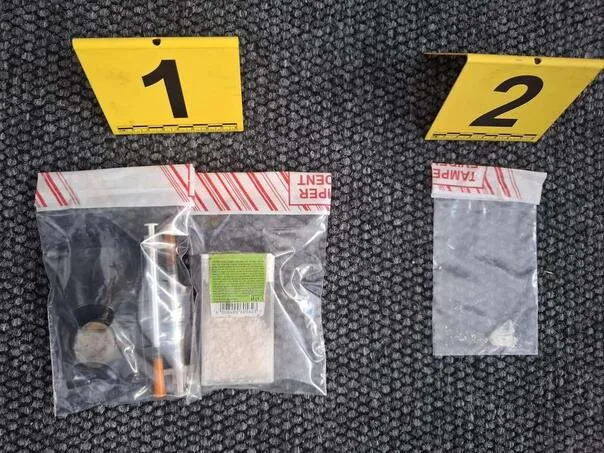
The Moldovan judiciary suspects more than 80 people of participation in the camps aimed at overthrowing the country’s pro-Western government. There are twenty defendants, and three verdicts have been handed down for eight of them so far. Maps, lists of participants, rubles and euros, SIM cards and USB devices were found, and 11 Russian paramilitary mercenaries were identified, including the Wagnerites.
Professor at the Faculty of Criminology, Criminology and Security Studies of the University of Sarajevo, Eldan Mujanović, believes that this case seriously damages the credibility of the institutions of Bosnia and Herzegovina.
“In the wider global framework, this is a serious blow to the credibility of the institutions of Bosnia and Herzegovina, because something that is happening on our territory is now being processed in Moldova. An institutional response was expected, given that it is a more serious form of endangering national security,” Mujanović pointed out.
Security flaws
Institutional negligence and security failures have shown again and again that Russia, through the authorities of the RS, which, now that the existence of Russian camps has been proven, considers it to be anti-Russian and anti-Serbian propaganda, sees Bosnia and Herzegovina as a training ground for destabilization.
Professor of criminal psychology and security expert Sandi Dizdarević explains the broader context of the activities of intelligence structures.
“Professional intelligence officers, whether military or civilian, are often transferred for a certain period to universities, where through the academic community contacts are made with national institutions and individuals who can have influence to secure such camps,” said Dizdarević.
From civilians to street fighters – the secret operation to prepare chaos in Moldavia, but also in the wider European Union, lasted for months, along with attempts to establish a new legal and political order in Bosnia and Herzegovina. So the question for the judiciary is whether the actors of the camps crossed our border by accident or not under the security radar.
(TYPE/Source: federalna.ba/Author: Melih Škrijelj)